

How to Stop Cats from Scratching Furniture: Tips and Tricks
Are you tired of finding your furniture scratched up by your furry friend? While scratching is a natural behaviour for cats, it can be frustrating when they choose your couch or armchair as their scratching post. Fortunately, there are ways to prevent and manage destructive scratching while still allowing your cat to engage in their natural behaviour.
Understanding your cat’s scratching behaviour is key to preventing and managing destructive scratching. Scratching serves various purposes for cats, including marking their territory, stretching their muscles, and sharpening their claws. By providing your cat with appropriate scratching surfaces and discouraging them from scratching on furniture, you can redirect their behaviour and save your furniture from damage.
So, if you’re wondering how to stop cats from scratching furniture, you’ve come to the right place. In this article, we’ll provide you with tips and tricks to prevent and manage destructive scratching, as well as answer some frequently asked questions about cat scratching behaviour. By following these suggestions, you can coexist peacefully with your feline friend without sacrificing your furniture.

Key Takeaways
- Understanding your cat’s scratching behaviour is key to preventing and managing destructive scratching.
- Providing appropriate scratching surfaces and discouraging furniture scratching can redirect your cat’s behaviour.
- With the right tools and techniques, you can coexist peacefully with your feline friend without sacrificing your furniture.
Understanding Cat Scratching Behaviour
If you’re a cat owner, you’ve probably experienced the frustration of your feline friend scratching the furniture. However, it’s important to understand that scratching is a natural behaviour for cats, and it serves many purposes.

Why Do Cats Scratch?
Cats scratch for a variety of reasons, including:
- To mark their territory: Scratching is a way for cats to mark their territory and let other cats know that they are in the area. Cats have scent glands in their paws, so when they scratch, they leave their scent behind.
- To stretch their muscles: Scratching also helps cats stretch their muscles and maintain their flexibility. It’s especially important for indoor cats who may not have as many opportunities to exercise.
- To sharpen their claws: Scratching helps cats keep their claws sharp and in good condition. This is important for hunting and self-defence.
- To relieve stress and anxiety: Cats may also scratch as a way to relieve stress and anxiety. It can be a calming activity for them.
The Role of Scratching in Feline Health
Scratching is an important part of a cat’s overall health and well-being. However, it can be frustrating when they choose to scratch your furniture instead of a scratching post.
To encourage your cat to use a scratching post, try the following tips:
- Provide multiple scratching posts: Cats like to have options, so providing multiple scratching posts can help encourage them to use them.
- Use catnip: Sprinkling catnip on the scratching post can make it more enticing for your cat.
- Use pheromone sprays: Pheromone sprays can help reduce anxiety and stress in cats, which may reduce their need to scratch.
- Keep their claws trimmed: Regularly trimming your cat’s claws can help reduce the damage they do when they scratch.
If you’re having trouble getting your cat to stop scratching your furniture, it may be worth consulting with a veterinarian or a cat behaviour specialist. They can provide additional advice and guidance on how to modify your cat’s behaviour.
Preventing and Managing Scratching
As a cat owner, it’s important to understand that scratching is a natural behavior for cats. Instead of trying to stop your cat from scratching altogether, it’s better to provide suitable alternatives and manage excessive scratching. Here are some tips to help you prevent and manage scratching in your multi-cat household.
Suitable Scratching Alternatives
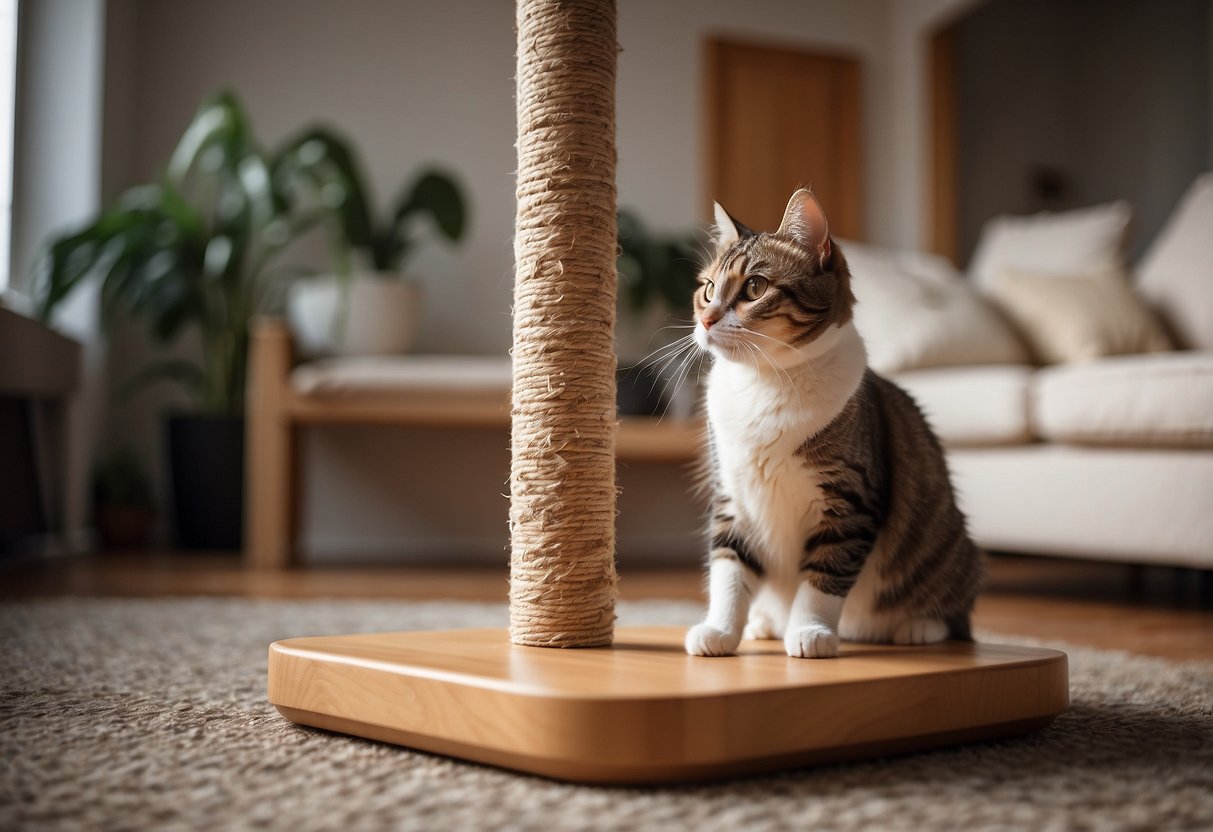
Cats prefer certain materials and textures for scratching. Scratching posts made of sisal, carpet, wood or cardboard are popular choices. Make sure to provide scratching surfaces that are tall enough for your cat to stretch out fully. Cat trees with sisal rope scratching posts and a scratching pad are also great options.
Training and Positive Reinforcement
Training your cat to use suitable scratching alternatives can take time and patience. Encourage your cat to use the scratching post by placing it in a visible and accessible location. Use treats and playtime to reward your cat for using the scratching post. Positive reinforcement is more effective than negative reinforcement.
Deterrents and Protective Measures
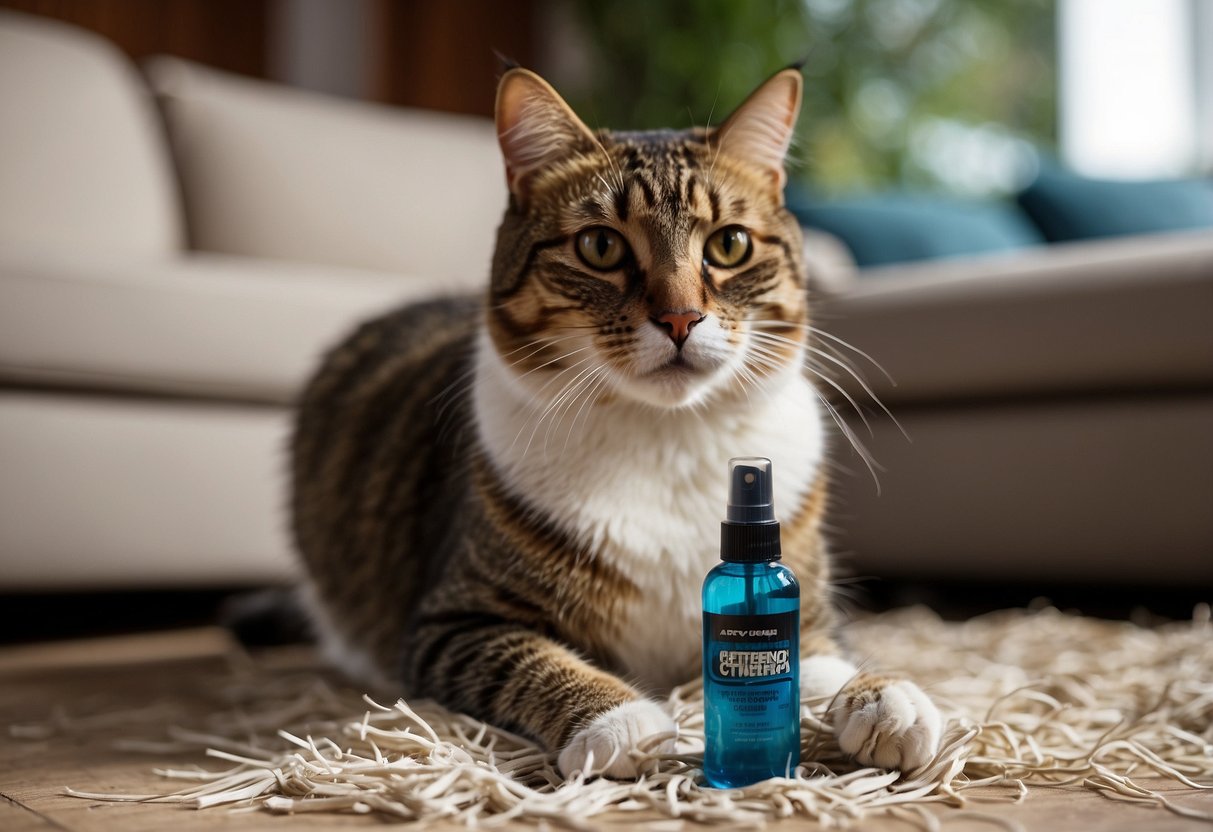
If your cat continues to scratch furniture despite providing suitable alternatives, you can use deterrents to protect your furniture. Double-sided tape or scratch tape can be placed on the furniture to discourage scratching. Deterrent sprays with a citrus scent can also be effective. However, make sure to test the spray on a small area first to ensure it doesn’t damage the furniture.
Regular Nail Care
Regular nail care is essential to prevent excessive scratching. Nail caps or claw covers can be used to cover your cat’s nails and protect your furniture. However, it’s important to note that nail caps should be replaced every 4-6 weeks. Alternatively, you can trim your cat’s nails regularly to prevent them from becoming too sharp. Make sure to use proper nail trimming techniques to avoid hurting your cat.
By providing suitable scratching alternatives, training your cat, using deterrents and protecting your furniture, and regularly trimming your cat’s nails, you can prevent and manage excessive scratching in your multi-cat household. Remember, declawing cats is not recommended and can cause long-term health problems. Instead, try using Feliscratch to encourage your cat to use suitable scratching surfaces.
Frequently Asked Questions
What home remedies can prevent cats from scratching furniture?
There are several home remedies that you can try to prevent your cat from scratching your furniture. One of the most effective is to cover the scratched area with double-sided tape or aluminum foil. Cats do not like the texture of these materials and will avoid scratching them. You can also try spraying the area with a mixture of water and vinegar, or using citrus-scented sprays, as cats dislike these smells.
Which sprays are effective at stopping cats from scratching furniture?
There are several sprays available that are designed to deter cats from scratching furniture. Look for sprays that contain natural ingredients like citronella or lavender oil. These sprays work by creating an unpleasant scent that cats dislike. However, it is important to note that not all cats will be deterred by sprays, so you may need to try a few different options to find one that works for your cat.
How can I train my cat to stop scratching the furniture?
Training your cat to stop scratching the furniture requires patience and consistency. One of the most effective methods is to provide your cat with a scratching post or pad and encourage them to use it. You can also try placing treats or catnip on the scratching post to make it more appealing. If your cat does scratch the furniture, gently redirect them to the scratching post and reward them when they use it.
Are there any smells that will deter my cat from scratching furniture?
As mentioned earlier, cats dislike certain smells like citrus and vinegar. You can use these scents to your advantage by spraying them on the areas of furniture that your cat likes to scratch. You can also try using products that contain natural deterrents like citronella or lavender oil.
What are the best ways to scratch-proof my furniture from my cat?
One of the best ways to scratch-proof your furniture is to provide your cat with an alternative scratching surface, like a scratching post or pad. You can also try covering the areas of furniture that your cat likes to scratch with a protective cover or using furniture protectors. Additionally, keeping your cat’s nails trimmed can help reduce the damage caused by scratching.
Can installing a cat scratching post prevent furniture damage?
Yes, providing your cat with a scratching post or pad can help prevent furniture damage. Cats have a natural instinct to scratch, so it is important to provide them with an appropriate outlet for this behaviour. When choosing a scratching post, look for one that is tall enough for your cat to fully stretch out, and made from a material that your cat likes to scratch, like sisal or cardboard.