

How to Repair Wicker Furniture: Tips and Tricks
If you’re the proud owner of wicker furniture, you know how beautiful it can look in your home or garden. However, over time, it can become damaged and worn, and it’s important to know how to repair it to keep it looking its best. Whether you have a few loose strands or more significant damage, repairing wicker furniture is a simple process that you can do yourself with a few basic tools and materials.
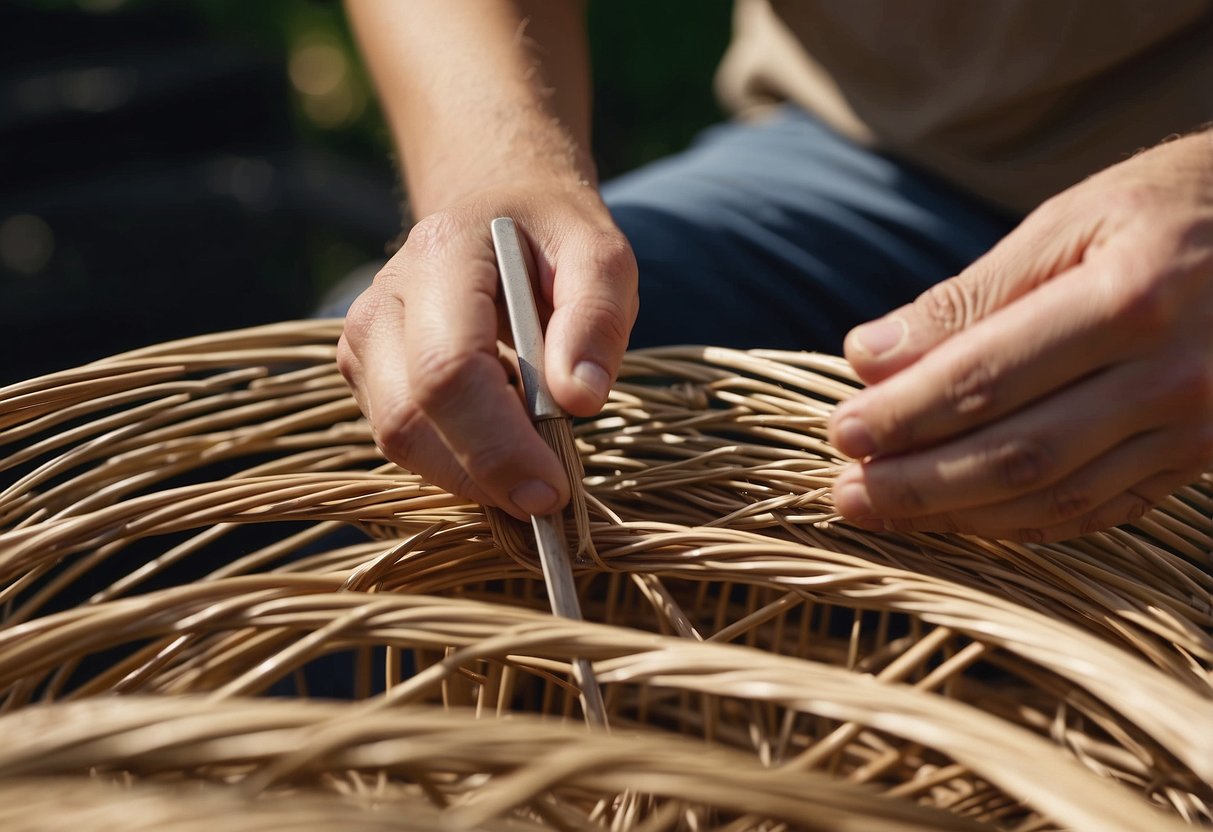
Before you begin repairing your wicker furniture, it’s essential to understand the basics of wicker and how to care for it. Wicker is a type of weaving technique that uses natural materials like rattan, bamboo, or willow to create a sturdy, flexible structure that can be used to make furniture. To keep your wicker furniture looking its best, it’s important to clean it regularly and avoid exposing it to moisture and direct sunlight.
In this article, we’ll take you through the steps of repairing your wicker furniture, from basic repairs to more comprehensive techniques. You’ll learn how to identify the type of damage your furniture has sustained and how to fix it using simple tools and materials. By the end of this article, you’ll have all the information you need to keep your wicker furniture looking beautiful for years to come.

Key Takeaways
- Understanding the basics of wicker furniture and how to care for it is essential before attempting any repairs.
- Basic repairs to wicker furniture can be done using simple tools and materials.
- For more comprehensive repairs, you may need to replace damaged sections or seek professional help.
Understanding Wicker Furniture and Basic Care
Identifying Wicker Furniture Types
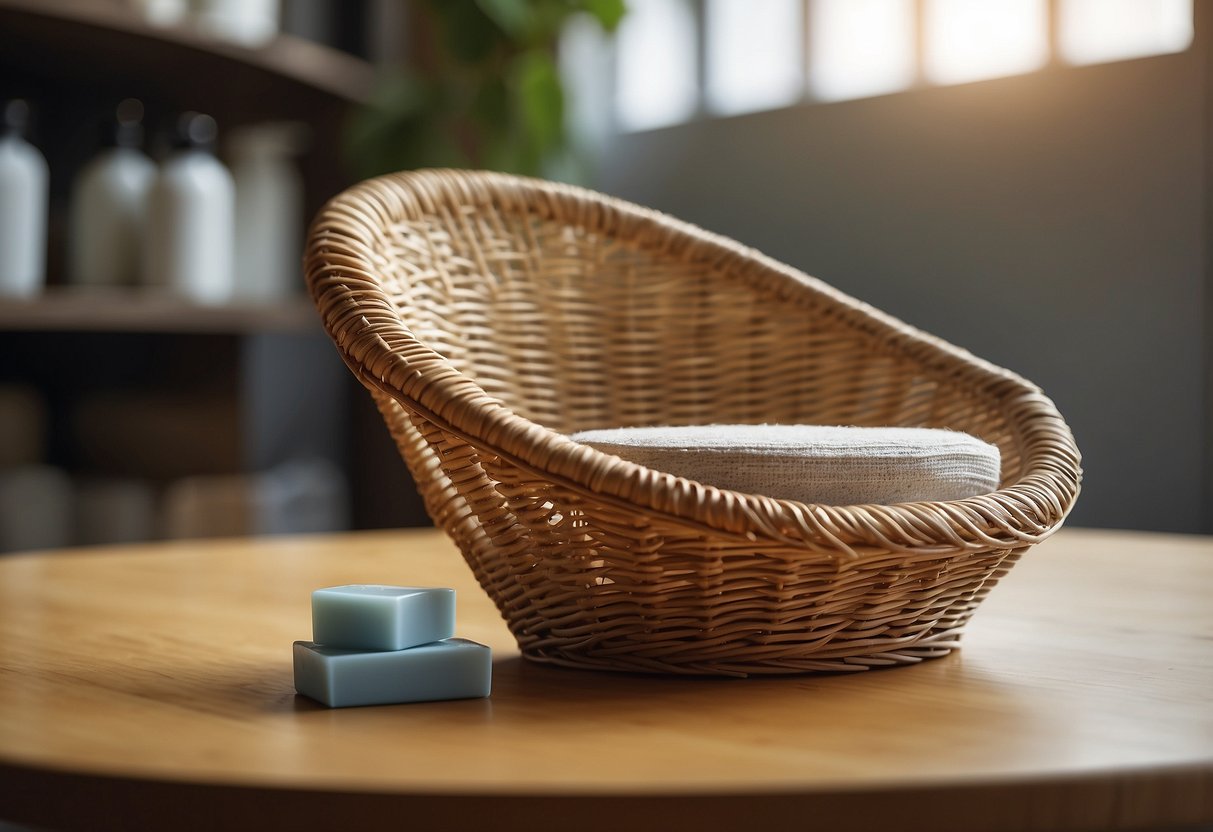
Before you start repairing your wicker furniture, it’s essential to know the type of wicker you’re dealing with. Wicker furniture comes in two types: natural and synthetic. Natural wicker is made from plant materials such as bamboo, rattan, and reed. Synthetic wicker, on the other hand, is made from plastic or resin materials.

Natural wicker furniture is more delicate and requires more maintenance than synthetic wicker furniture. However, it’s also more durable and has a more authentic look. Synthetic wicker furniture, on the other hand, is more resistant to outdoor elements and requires less maintenance.
Routine Cleaning and Maintenance
Routine cleaning and maintenance are crucial to maintaining the durability and longevity of your wicker furniture. Here are some tips on how to clean and maintain your wicker furniture:
- Clean your wicker furniture regularly with a dry, soft-bristled brush to remove loose dirt and dust.
- For deeper cleaning, mix warm water with a few drops of mild dish soap and use a soft cloth or sponge to gently clean the surface.
- Avoid using harsh chemicals that can damage the wicker material.
- Protect your wicker furniture from direct sunlight, which can cause the material to dry out and become brittle.
- To prevent mildew growth, avoid placing your wicker furniture in humid areas.
- If you’re using your wicker furniture outdoors, cover it with a protective cover when not in use to prevent damage from rain or snow.
By following these simple cleaning and maintenance tips, you can keep your wicker furniture looking great for years to come.
Comprehensive Repair Techniques for Wicker Furniture
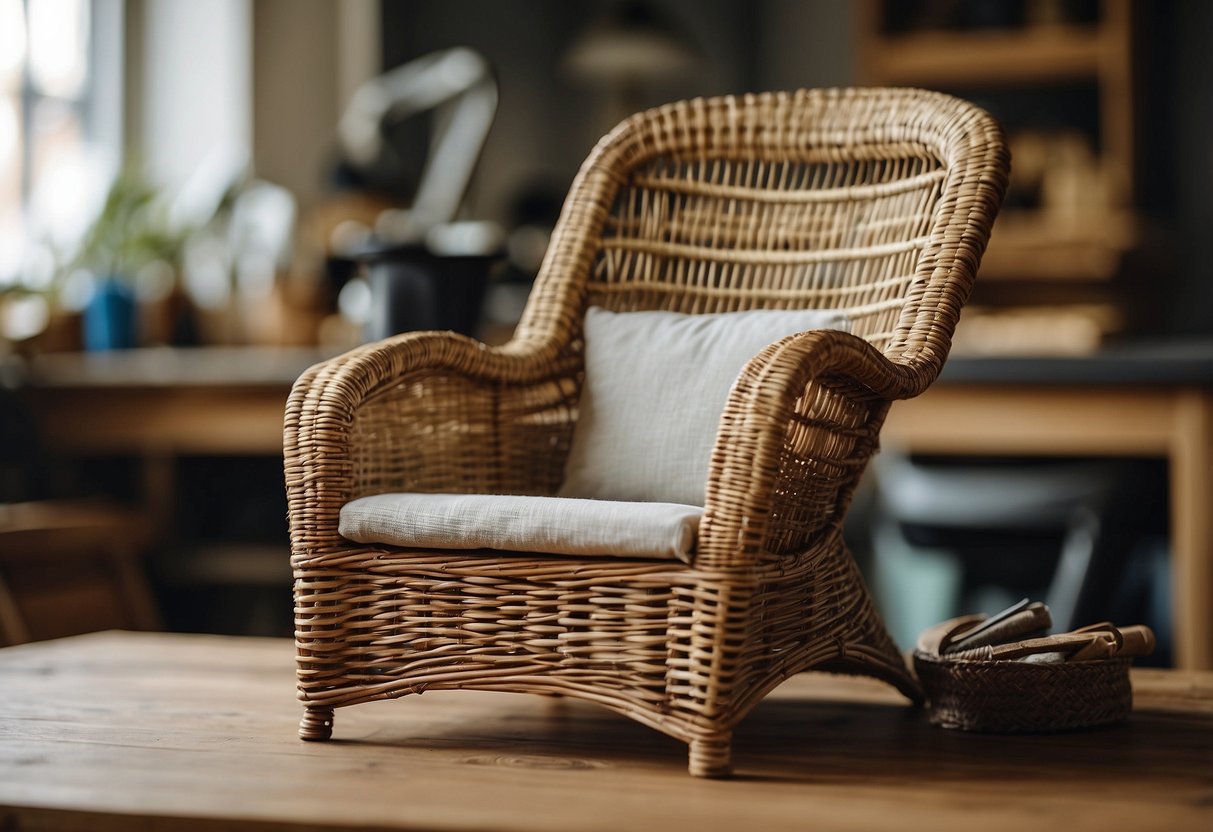
If you want to restore your wicker furniture, there are a few techniques you can use to repair and preserve it. In this section, we’ll go over some of the most common issues with wicker furniture and how to fix them.
Assessing and Preparing for Repair
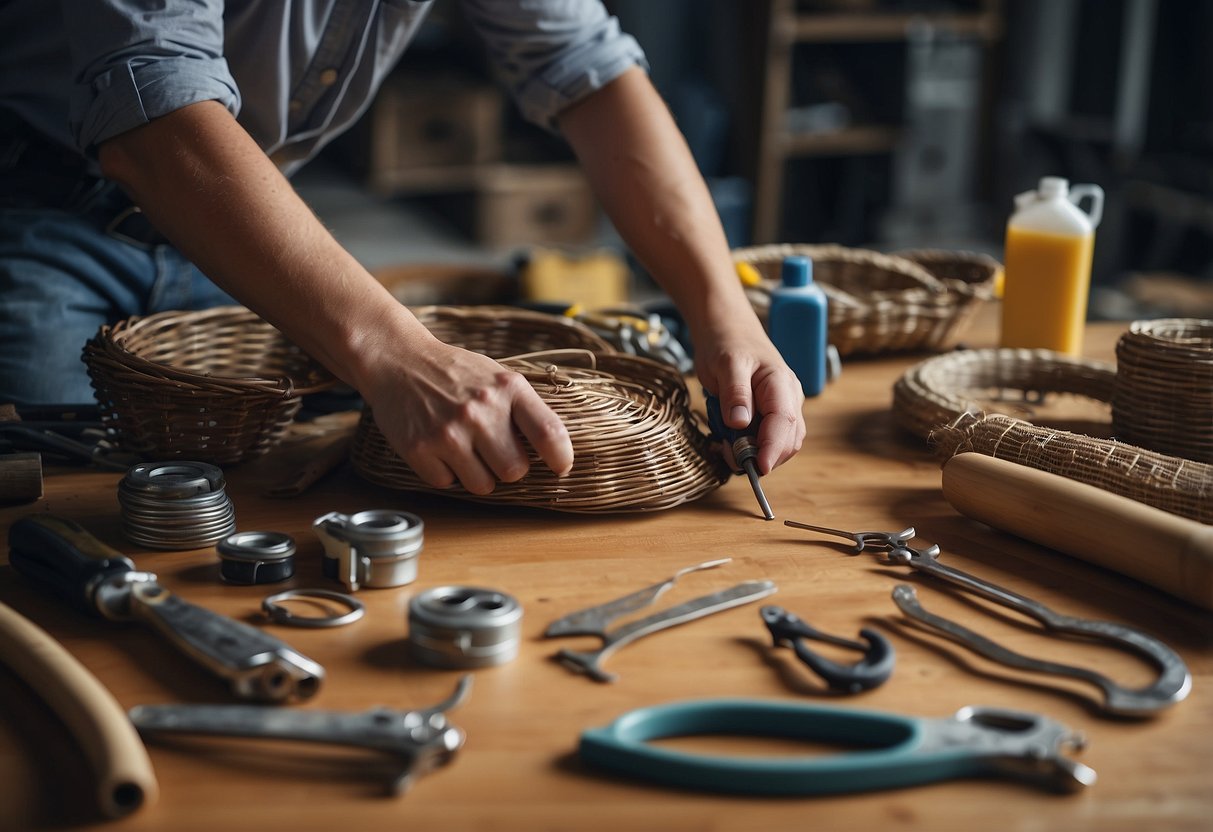
Before you begin repairing your wicker furniture, you need to assess the damage and prepare the necessary tools and materials. Start by inspecting the furniture for any loose strands, broken pieces, or structural weakness. If you find any, use scissors or needle-nose pliers to remove the loose strands and tighten any screws or metal braces that may be causing the weakness.
Next, clean the furniture with a mild cleaning solution to remove any dirt or moisture damage. Use fine-grit sandpaper to smooth out any scratches or splits in the wicker material. If you need to patch any missing pieces, use wood filler and sand it down to match the surrounding area.
Mending Damages and Reinforcing Structure
To fix any damaged strands, use wood glue or epoxy resin to reattach them to the frame. For larger areas of damage, use re-weaving techniques to restore the wicker material. Craft stores sell wicker caning to repair chair legs and dining tables. Use metal clamps to hold the caning in place until the glue dries.
To reinforce the frame, use metal braces or additional wicker strands to add sturdiness. If the wicker furniture is sagging, you can add cushions or padding to restore its shape. Be sure to use materials that are suitable for outdoor spaces if the furniture will be exposed to the elements.
Finishing Touches: Painting and Varnishing
Once you’ve repaired the damages and reinforced the structure, you can refinish the furniture with paint or varnish. Use a primer to prepare the surface for painting and choose an oil-based paint for durability. Apply a polyurethane topcoat to protect the paint and add shine.
In conclusion, repairing wicker furniture can be a DIY project with step-by-step instructions and necessary tools. However, for more complex repairs or professional refinishing, it’s best to seek the help of a professional repair service. By following these comprehensive guides, you can restore your wicker furniture and preserve its natural beauty for years to come.
Frequently Asked Questions
What’s the best way to fix a broken strand in my wicker chair?
The best way to fix a broken strand in your wicker chair is to use a small brush or toothbrush to clean the area around the break. Then, apply a small amount of wood glue or epoxy resin to the broken strand and gently press it back into place. Use a clamp to hold the strand in place until the glue dries completely. Once the glue has dried, you can trim any excess strand with a pair of scissors.
Can I mend my synthetic rattan furniture at home, and if so, how?
Yes, you can mend your synthetic rattan furniture at home. To do so, you will need to purchase replacement rattan strands that match the colour and texture of your furniture. Then, use a small brush or toothbrush to clean the area around the break. Apply a small amount of wood glue or epoxy resin to the broken strand and gently press the replacement strand into place. Use a clamp to hold the strand in place until the glue dries completely.
Where can I find a reliable service for repairing my wicker furniture?
You can find a reliable service for repairing your wicker furniture by searching online for local furniture repair companies. Look for companies that have good reviews and ratings from previous customers. You can also ask for recommendations from friends or family members who have had their wicker furniture repaired.
What type of adhesive should I use for repairing rattan pieces?
For repairing rattan pieces, you should use a wood glue or epoxy resin. These adhesives are strong and durable, and they will bond well with the rattan material. Be sure to follow the manufacturer’s instructions when using any type of adhesive.
Is restoring my old wicker settee worth the effort and cost?
Restoring your old wicker settee can be worth the effort and cost if the settee has sentimental value or if it is a high-quality piece of furniture. However, if the settee is in poor condition or if it would be more expensive to restore than to replace, it may not be worth the effort and cost.
Are there any DIY methods for repairing damage to wicker items?
Yes, there are DIY methods for repairing damage to wicker items. These methods include using wood glue or epoxy resin to repair broken strands, reweaving loose or damaged areas, and refinishing the surface of the wicker. However, it is important to note that DIY repairs may not be as strong or durable as professional repairs, and they may not look as good.