

How to Paint Laminate Furniture: A Simple Guide
If you’re looking to spruce up your furniture without breaking the bank, painting your laminate furniture is a great DIY project to tackle. Laminate furniture is often less expensive than solid wood furniture, but it can be more challenging to paint. However, with the right preparation and technique, you can achieve a beautiful and long-lasting finish.
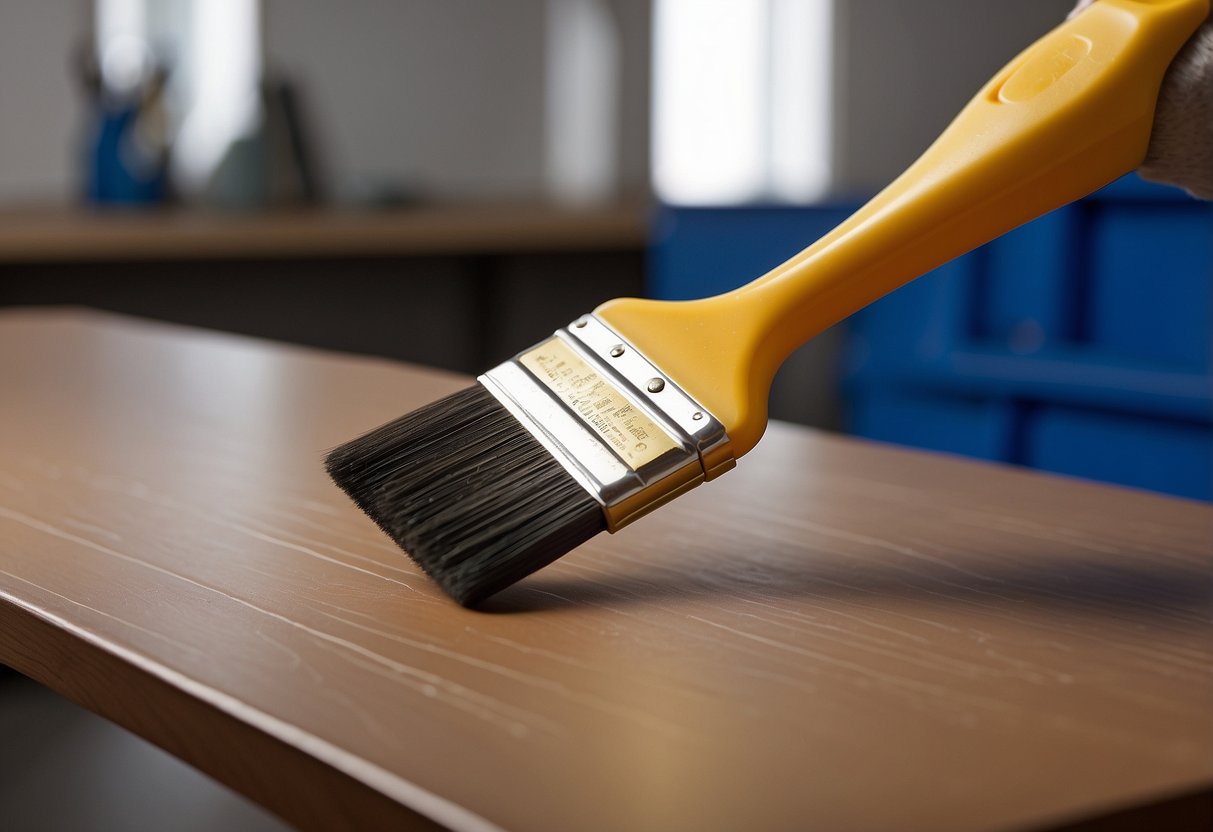
Before you start painting, it’s important to prepare your laminate furniture properly. This includes cleaning the surface thoroughly and sanding it down to create a rough surface for the paint to adhere to. You’ll also need to apply a primer specifically designed for laminate surfaces to ensure that the paint will stick and not peel or chip over time.
Once you’ve prepped your furniture, it’s time to start painting! You can use a brush, roller, or spray paint to apply your chosen colour. Be sure to apply thin, even coats and let each coat dry completely before adding another layer. After you’ve painted your furniture, you can add finishing touches like new hardware or a clear coat of polyurethane to protect the paint and give your furniture a professional look.

Key Takeaways
- Preparing your laminate furniture is crucial to achieving a long-lasting finish.
- Use a primer specifically designed for laminate surfaces to ensure that the paint will stick.
- Apply thin, even coats of paint and let each coat dry completely before adding another layer.
Preparing Your Laminate Furniture
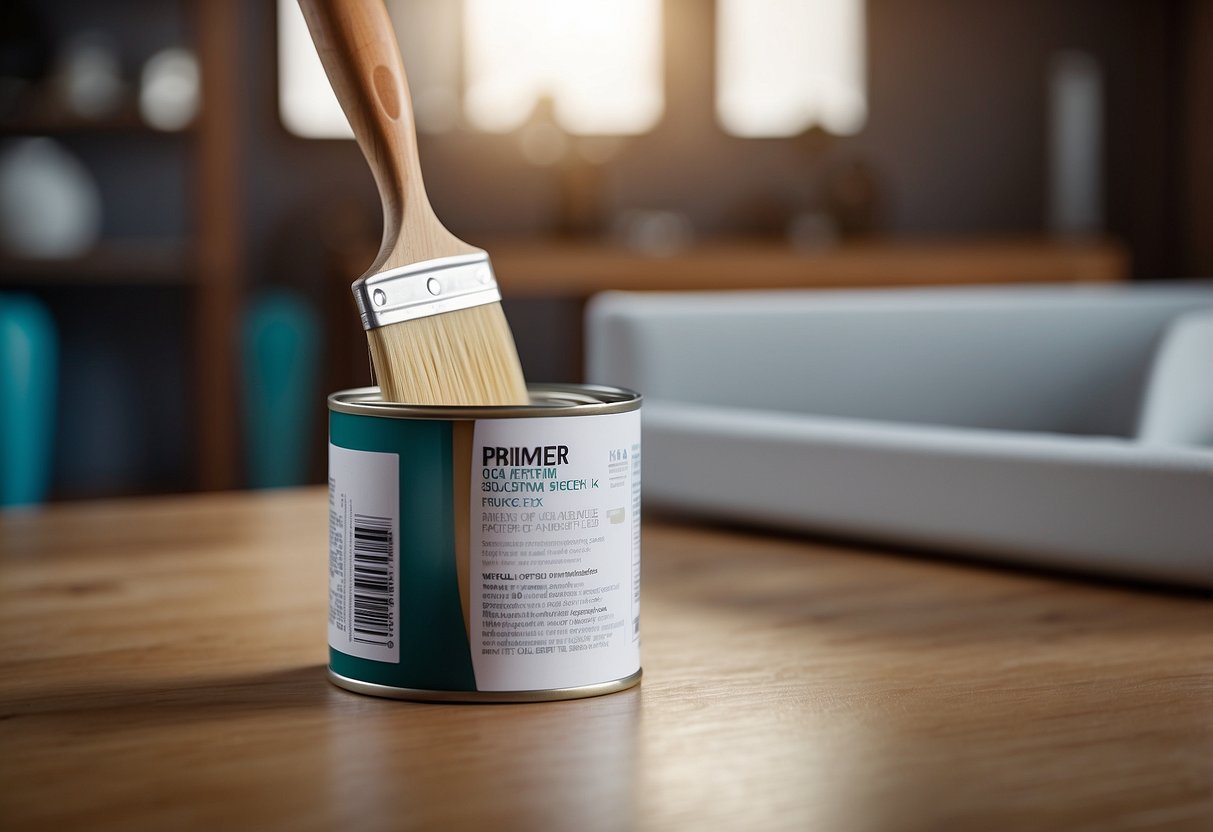
Before you start painting your laminate furniture, you need to prepare the surface properly to ensure that the paint adheres well and looks smooth and even. This section will guide you through the steps needed to clean and sand your furniture and apply primer for better adhesion.

Cleaning and Sanding
The first step is to clean your furniture thoroughly. Use a mild detergent and warm water to remove any dirt, grease, or grime. Dry the surface with a clean cloth.
Next, you need to sand the surface to create a rough texture that will help the primer and paint stick better. Use 120-grit sandpaper to sand the entire surface of your furniture, including the edges and corners. If you have a large piece of furniture, you can use a foam roller or a sanding block to make the job easier.
After sanding, wipe the surface with a clean, damp cloth to remove any dust or debris. If there are any cracks, holes, or scratches, you can use wood filler to fill them in. Allow the filler to dry completely before sanding again.
Applying Primer for Better Adhesion
Primer is essential for creating a smooth, even surface that will make your paint job look professional. There are two types of primer you can use: oil-based and latex. Oil-based primers are better for laminate furniture because they provide better adhesion and durability.
Before applying primer, make sure your furniture is completely dry and free of dust or debris. Apply the primer with a brush or roller, using long, even strokes. If you’re using a brush, use a paintbrush specifically designed for oil-based paints.
Allow the primer to dry completely before sanding lightly with 220-grit sandpaper. This will create a smooth surface for your paint to adhere to. If you’re using a latex primer, you may need to apply a second coat to ensure good coverage.
Now that your laminate furniture is properly prepared, you’re ready to start painting. In the next section, we’ll guide you through the steps needed to paint your furniture like a pro.
Painting and Finishing Touches
Choosing the Right Paint
When it comes to painting laminate furniture, it’s important to choose the right type of paint. Water-based paints such as milk paint or acrylic latex paint are a great choice, as they are durable and provide good coverage. They also dry quickly, which means you can apply a topcoat sooner.
If you’re looking for a more durable finish, you may want to consider using an oil-based paint. However, keep in mind that oil-based paints take longer to dry and can emit strong fumes, so make sure you have good ventilation in your workspace.
Applying Paint and Topcoat
Before you start painting, make sure your furniture is clean and dry. Use a mild soap and water to remove any dirt or grime, and then allow it to dry completely.
When applying paint, use a paint sprayer for an even coverage. If you don’t have a paint sprayer, use a brush or roller and apply the paint in circular motions. Make sure you apply thin coats of paint and allow each coat to dry completely before applying the next one.
Once you’ve applied your fresh paint, it’s important to apply a topcoat to protect the finish. A paint sealer or polyurethane topcoat is a great choice, as they provide a durable finish. For a satin or gloss finish, choose a water-based topcoat.
In summary, painting laminate furniture can be a great way to upcycle your old Ikea furniture or give your laminate cabinets, desks, coffee tables, bookshelves and dressers a new lease of life. By choosing the right paint and applying it in thin coats, you can achieve a durable finish that will last for years to come.
Frequently Asked Questions
What type of paint is best suited for laminate furniture?
When it comes to painting laminate furniture, it’s important to use a paint that is specifically designed for non-porous surfaces. A high-quality acrylic paint or a paint that is formulated for use on laminate surfaces will work best. Look for a paint that is water-based and has a durable finish.
Can I paint over laminate furniture without priming it first?
It is not recommended to paint over laminate furniture without priming it first. Priming helps the paint adhere better to the surface and provides a smooth, even finish. Use a high-quality primer that is designed for use on non-porous surfaces, such as a shellac-based primer or a primer specifically formulated for laminate surfaces.
What are the steps to painting laminate furniture to achieve a wood-like finish?
To achieve a wood-like finish on laminate furniture, start by cleaning the surface thoroughly and sanding it lightly to create a rough surface for the primer to adhere to. Apply a coat of primer, and then use a wood-grain tool to create a wood-like texture. Once the primer is dry, apply a coat of paint in your desired colour, and then use a wood-grain rocker to create a wood-grain effect. Finish with a coat of clear sealer to protect the finish.
How do I ensure paint adheres well to laminate surfaces?
To ensure that paint adheres well to laminate surfaces, it’s important to prepare the surface properly. Clean the surface thoroughly with a degreaser or a solution of water and vinegar, and then sand it lightly to create a rough surface for the primer to adhere to. Apply a coat of primer that is specifically formulated for non-porous surfaces, and then apply your chosen paint.
Is it possible to give laminate furniture a makeover without sanding?
While sanding is recommended to create a rough surface for the primer to adhere to, it is possible to give laminate furniture a makeover without sanding. Look for a primer that is specifically formulated for non-porous surfaces, and follow the manufacturer’s instructions carefully. You may also want to consider using a deglosser to prepare the surface before priming.
What techniques should I use to paint laminate MDF effectively?
To paint laminate MDF effectively, it’s important to use a high-quality primer that is specifically formulated for non-porous surfaces. Apply the primer in thin, even coats, and allow it to dry completely before applying your chosen paint. Use a brush or roller to apply the paint, and apply multiple thin coats rather than one thick coat. Allow each coat to dry completely before applying the next.