

How to Match Wood Furniture: Tips and Tricks for a Cohesive Look
Matching wood furniture can be a daunting task, especially if you’re not sure where to begin. The good news is that with a little bit of knowledge, you can create a cohesive and stylish look that complements your home decor. In this article, we’ll provide you with some tips and tricks on how to match wood furniture, so you can confidently mix and match different wood tones and finishes.
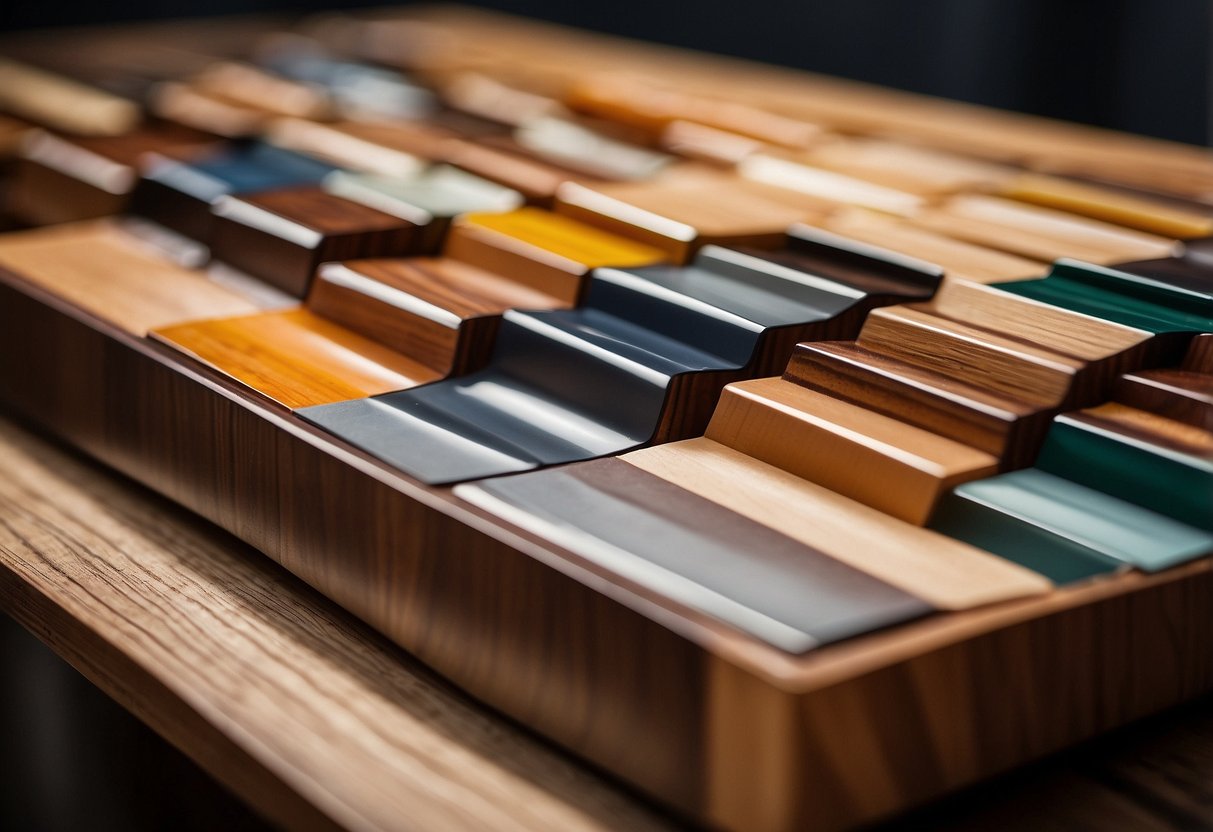
Understanding the different wood tones and undertones is the key to successfully matching wood furniture. Some woods, such as oak and walnut, have warm undertones, while others, like ash and maple, have cooler undertones. By identifying the undertones of the wood pieces you have or want to purchase, you can choose complementary pieces that will harmonise well together. Additionally, you’ll want to consider the finish of the wood, whether it’s stained, painted, or left natural, as this can affect the overall look and feel of the furniture.
When it comes to harmonising your furniture and decor, there are a few things to keep in mind. First, consider the overall style of your home and choose furniture that complements it. For example, if you have a modern home, you may want to choose furniture with clean lines and minimal ornamentation. Second, don’t be afraid to mix and match different wood tones and finishes. By incorporating a variety of textures and colours, you can create a visually interesting and dynamic space. Finally, be sure to balance out the wood furniture with other materials, such as metal, glass, or fabric, to add depth and dimension to the room.

Key Takeaways
- Understanding the undertones of wood is crucial for matching furniture.
- Harmonising furniture and decor involves considering the overall style of your home and balancing different textures and colours.
- Mixing and matching different wood tones and finishes can create a visually interesting and dynamic space.
Understanding Wood Tones and Undertones
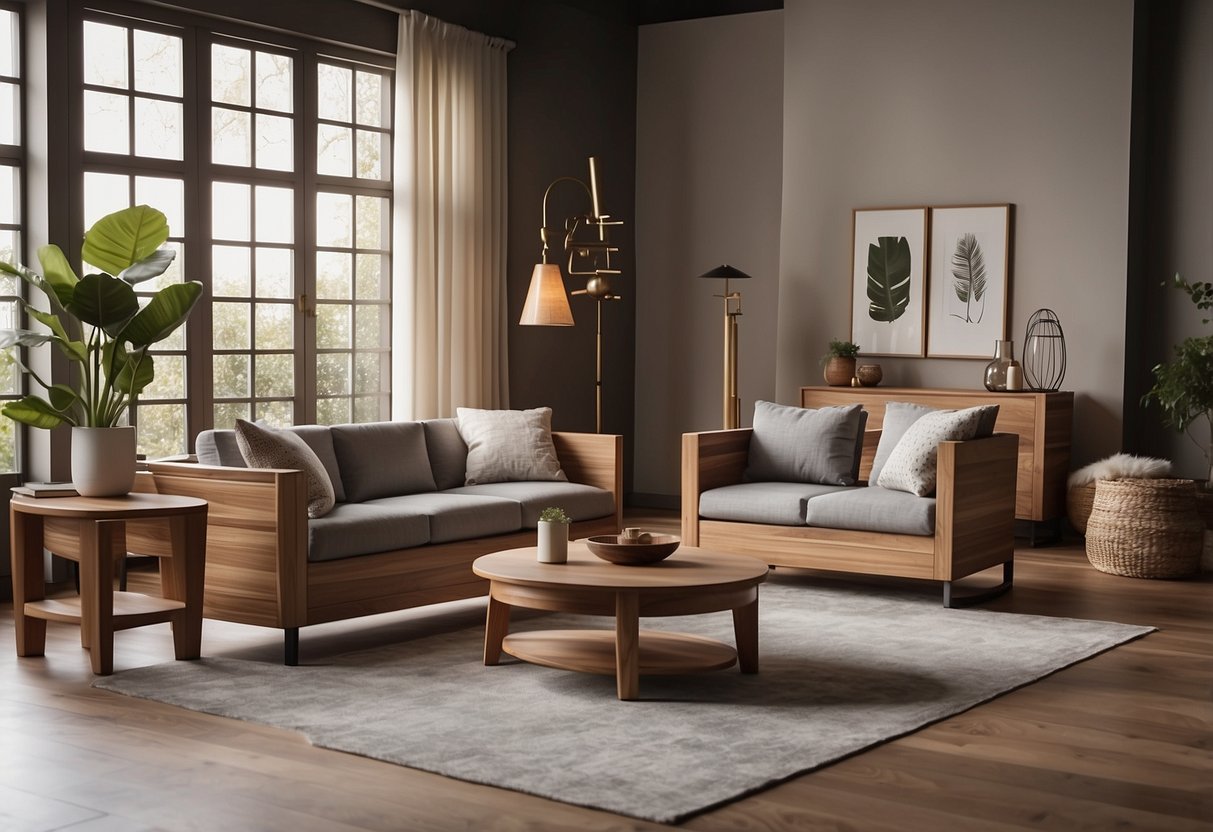
When it comes to matching wood furniture, it is important to understand the different tones and undertones of wood. Here are some key things to keep in mind:

Identifying Wood Tones and Undertones
Wood tones refer to the overall color of the wood, while undertones refer to the subtle hues that are present within the wood. Identifying the undertones of wood is especially important when you are trying to match different pieces of furniture or flooring.
Some common undertones include warm undertones, which have red or yellow hues, and neutral undertones, which have a more balanced mix of colors. It is important to note that even within the same wood type, there can be variations in undertones. For example, oak can have warm or cool undertones depending on the specific type of oak.
The Impact of Lighting and Context
It is important to keep in mind that the way wood looks can vary depending on the lighting and context of the room. For example, a light wood may appear darker in a room with less natural light, while a dark wood may appear lighter in a room with more natural light.
The texture of the wood can also impact the way it looks in a room. A rougher texture can make a wood appear darker, while a smoother texture can make it appear lighter.
When trying to match wood furniture, it can be helpful to consider the dominant wood tone in the room. This can help you choose pieces that complement each other rather than clash.
By understanding the different tones and undertones of wood, as well as the impact of lighting and context, you can create a cohesive and stylish look in your home.
Harmonising Furniture and Decor
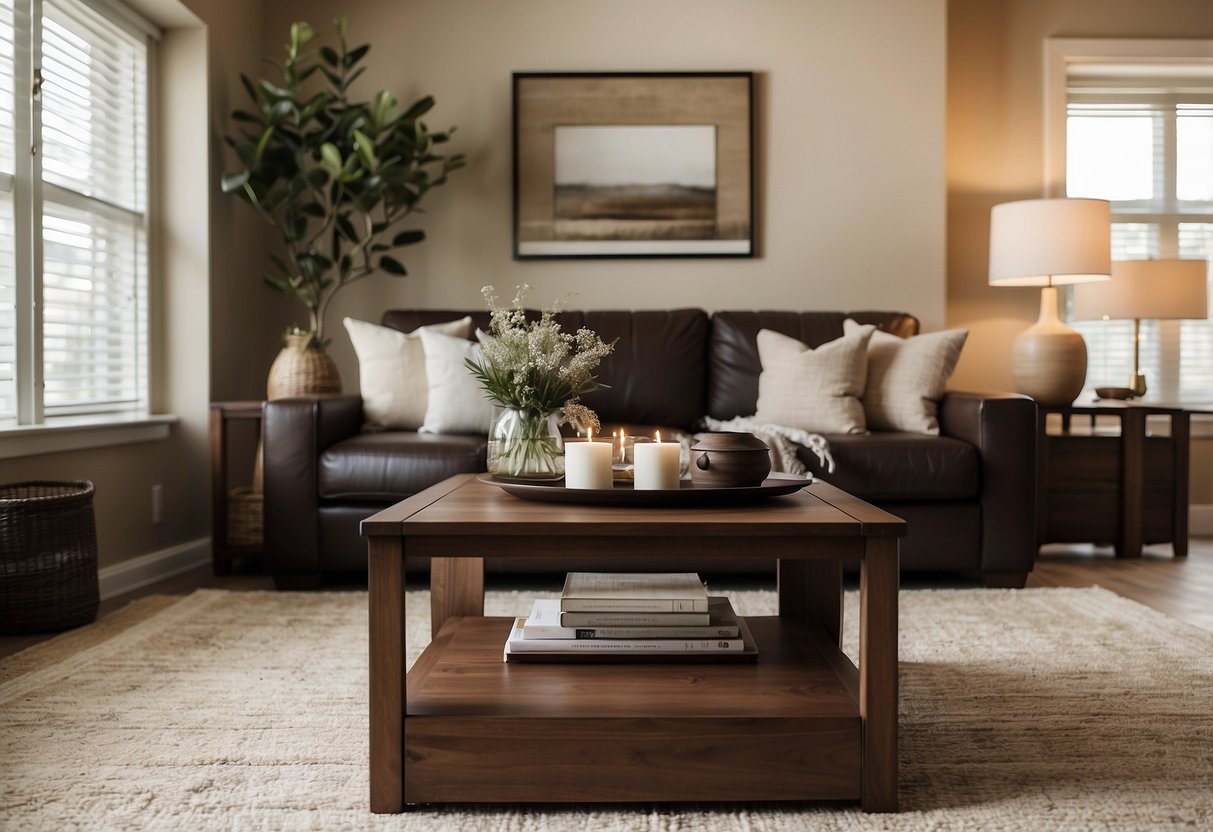
When it comes to decorating your home, harmonising your furniture and decor is key to creating a cohesive and visually appealing space. Here are some tips to help you achieve this:
Balancing Contrast and Cohesion
Contrast can be a great way to add visual interest to a space, but it’s important to balance this with cohesion. When mixing wood furniture, aim for a balance between contrast and cohesion. For example, if you have a dark wood coffee table, consider pairing it with lighter wood side tables. This will create contrast while still maintaining a cohesive look.
Selecting Complementary Furniture Pieces
When selecting furniture pieces, consider the finishes and styles of your existing pieces. Look for complementary pieces that will work well with what you already have. For example, if you have a mid-century modern sofa, consider pairing it with a mid-century modern coffee table and side tables. This will create a cohesive look and tie the room together.
Accessorising for Visual Interest
Accessories can be a great way to add visual interest to a space. Consider adding a rug that incorporates the different wood tones in your furniture pieces. This will tie the room together and create a cohesive look. Additionally, consider adding decorative accents that complement your furniture pieces. For example, if you have a warm-toned wood coffee table, consider adding decorative accents in warm tones to tie the room together.
Remember to follow these guidelines when mixing and matching wood furniture pieces to create a visually appealing space. By selecting complementary furniture pieces, accessorising for visual interest, and balancing contrast and cohesion, you can create a space that is both functional and stylish.
Frequently Asked Questions

What are the best ways to mix different wood tones in a room?
Mixing different wood tones in a room can create a visually interesting and dynamic space. To do this effectively, start by identifying the dominant wood feature in the room and then select other pieces that complement it. You can also mix different wood finishes and incorporate pieces with varying designs and shapes. Be sure to consider the undertones of each wood type to ensure a cohesive look.
Can you blend dark and light wood furniture in a living room effectively?
Yes, you can blend dark and light wood furniture in a living room effectively. The key is to match the undertone of each piece. Some woods have a warm undertone, while others have a cool or gray undertone. By selecting pieces with matching undertones, you can create a cohesive and visually appealing space.
What strategies can be used to match wood furniture with hardwood floors?
Matching wood furniture with hardwood floors can be challenging, but there are several strategies you can use. Start by identifying the dominant wood tone in the flooring and select furniture pieces that complement it. You can also mix different wood finishes and incorporate pieces with varying designs and shapes. Be sure to consider the undertones of each wood type to ensure a cohesive look.
How can you successfully combine mixed wood furniture in a bedroom setting?
To successfully combine mixed wood furniture in a bedroom setting, start by identifying the dominant wood feature in the room. Then, select other pieces that complement it. You can also mix different wood finishes and incorporate pieces with varying designs and shapes. Be sure to consider the undertones of each wood type to ensure a cohesive look.
Is it necessary for all the wood furniture in a room to match?
No, it is not necessary for all the wood furniture in a room to match. In fact, mixing different wood tones and finishes can create a visually interesting and dynamic space. The key is to ensure that the pieces complement each other and that the undertones match.
What is a wood tones chart and how can it assist in selecting furniture?
A wood tones chart is a visual guide that displays different wood types and their undertones. It can assist in selecting furniture by helping you identify the undertones of each wood type and ensuring that they match. This can help create a cohesive and visually appealing space.