

How to Make Rattan Furniture: A Beginner’s Guide
Welcome to the world of rattan furniture! If you’re looking to add a touch of natural beauty and functionality to your room decor, then rattan furniture is the perfect choice. Rattan is a type of palm that is native to tropical regions, and is known for its durability, flexibility, and sustainable properties. In this article, we’ll introduce you to the world of rattan furniture, and show you how to create your own stunning pieces.


Understanding Rattan and Its Uses in Furniture Making Rattan is a versatile material that has been used for centuries in furniture making. It is known for its unique weave, which gives it a distinctive look and feel. Rattan furniture is not only beautiful, but also eco-friendly and sustainable. It is a great choice for those who want to add a touch of natural beauty to their home, without harming the environment.
Creating Your Own Rattan Furniture Creating your own rattan furniture is easier than you might think. With a few simple tools and materials, you can create stunning pieces that will last for years to come. In this article, we’ll walk you through the process of creating your own rattan furniture, from choosing the right materials to finishing your piece. So, whether you’re a seasoned crafter or a beginner, you’ll be able to create beautiful pieces that you can be proud of.
Key Takeaways
- Rattan furniture is a beautiful and sustainable choice for room decor.
- Rattan is a versatile material that has been used for centuries in furniture making.
- Creating your own rattan furniture is easy and rewarding.
Understanding Rattan and Its Uses in Furniture Making
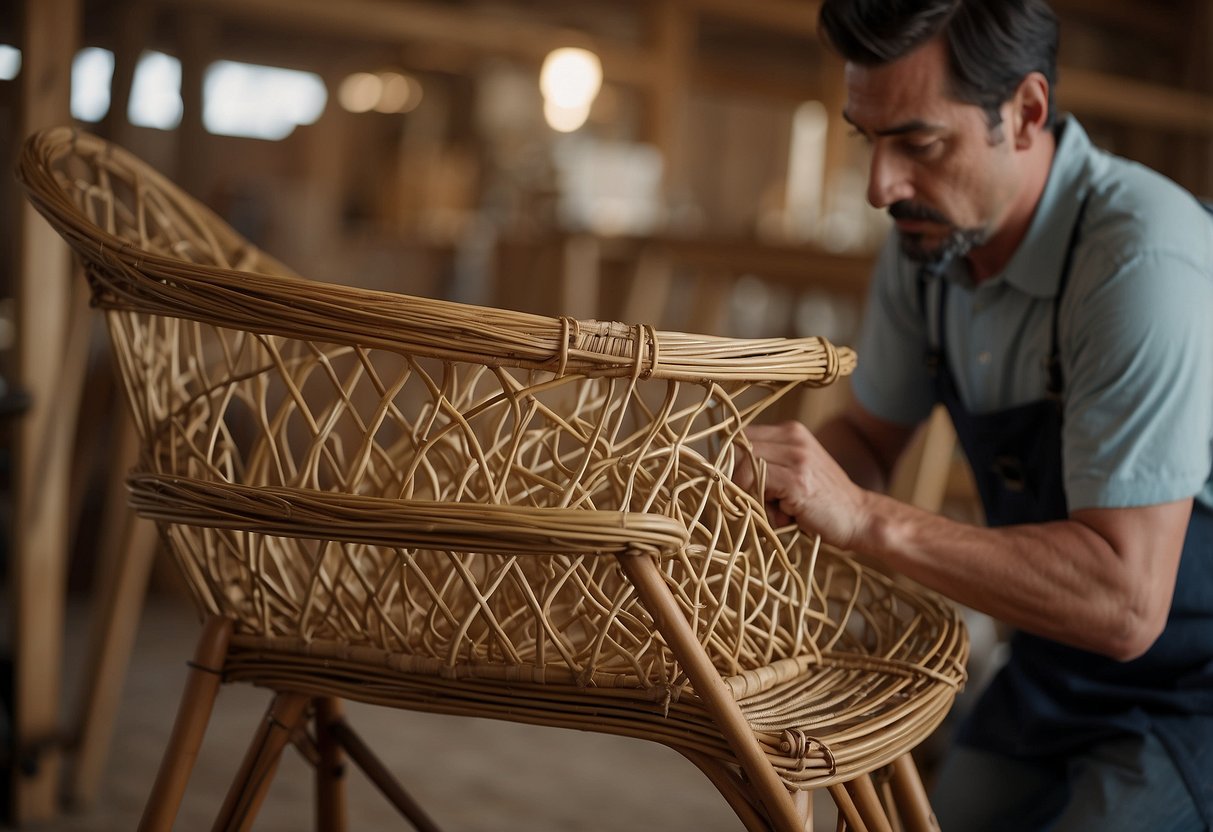
Rattan is a natural material that is widely used in furniture making. It is a type of climbing palm that is native to tropical regions of Asia, Africa, Southeast Asia, and Australasia. Rattan is known for its durability, flexibility, and strength, making it an ideal material for furniture making.

The Basics of Rattan Material
Rattan is a natural material that is harvested from the stems of climbing palm plants. The stems are cut into sections and then processed to remove the outer skin and core. The resulting material is then dried and treated to make it suitable for furniture making.
Types of Rattan Furniture
Rattan can be used to make a wide variety of furniture, including chairs, tables, sofas, and beds. Rattan furniture can be used both indoors and outdoors, making it a versatile choice for any home. There are two main types of rattan furniture: natural rattan and synthetic rattan. Natural rattan is made from the stems of the rattan plant, while synthetic rattan is made from plastic or other synthetic materials.
Benefits of Rattan for Indoor and Outdoor Use
Rattan furniture is known for its durability and strength, making it an ideal choice for both indoor and outdoor use. It is resistant to rain and fading, making it a great option for outdoor furniture. Rattan furniture is also comfortable to sit on, making it a popular choice for indoor furniture.
In addition to its durability and comfort, rattan furniture is also easy to maintain. Simply wipe it down with a damp cloth to keep it looking clean and new. With proper care, rattan furniture can last for many years, making it a great investment for any home.
Overall, rattan is a versatile and durable material that is perfect for furniture making. Whether you are looking for indoor or outdoor furniture, rattan is a great choice that will provide comfort and style for years to come.
Creating Your Own Rattan Furniture
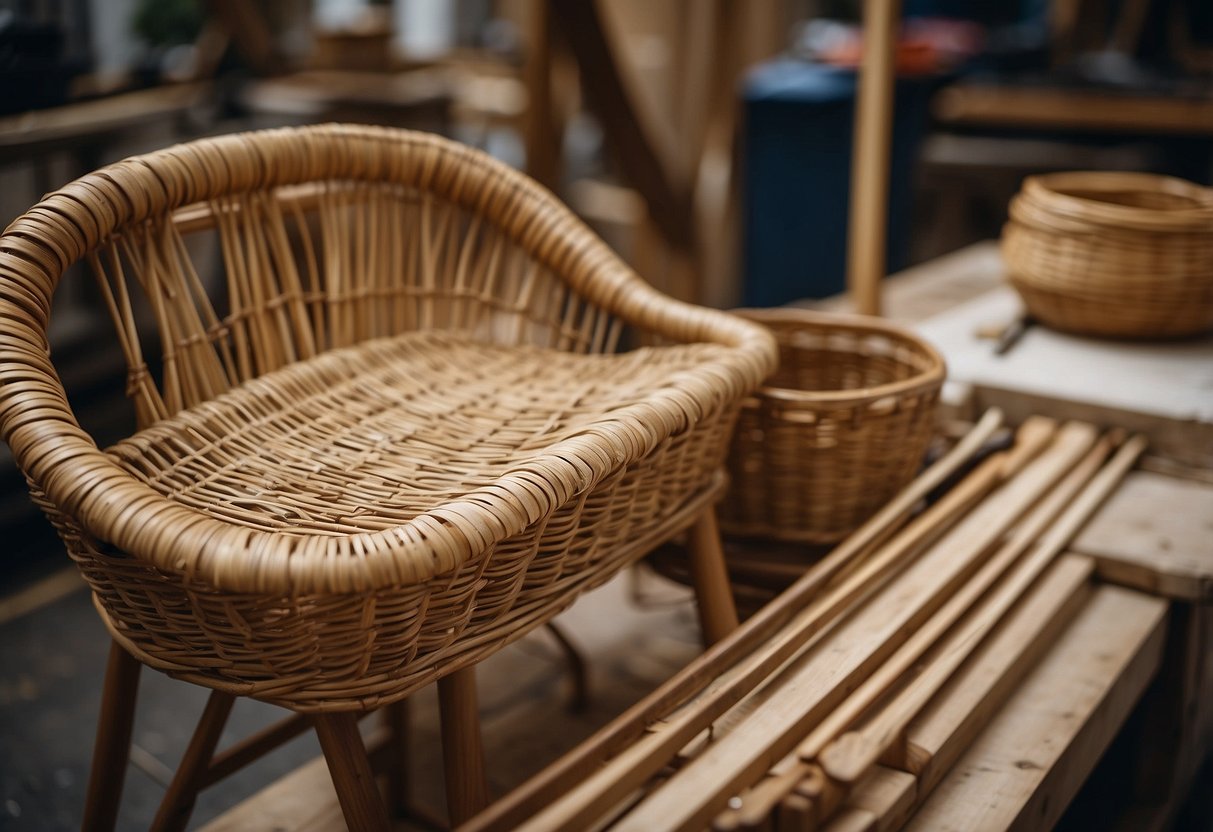
Making your own rattan furniture can be a rewarding DIY project that allows you to create unique and visually appealing pieces. Here are the steps to follow to create your own rattan furniture.
Preparing Materials and Tools
Before you start weaving, you need to prepare your materials and tools. You will need rattan cane, cane webbing, a wooden frame, glue, staples, a soft brush, and a vacuum. Make sure to choose quality rattan that is lightweight, stable, and has a good texture. You can also use bamboo or vine if you prefer.
To begin, soak the rattan cane in water for a few hours to make it more pliable. Then, cut the cane into the desired lengths. Next, prepare the wooden frame by sanding it down and cleaning it with a mild detergent. Make sure the joints and corners are secure and stable.

The Weaving Process
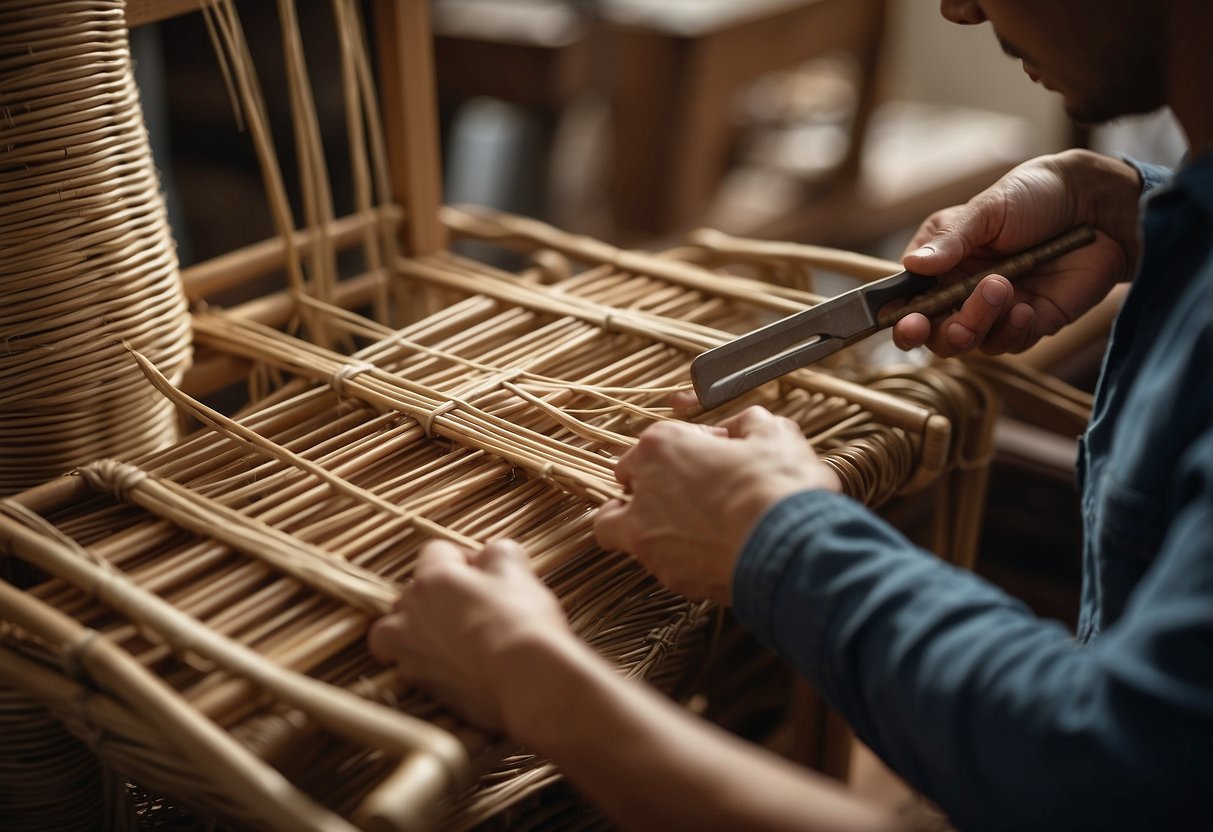
The weaving process is the most important part of making rattan furniture. Start by weaving the cane webbing onto the wooden frame using an over-under pattern. Make sure the webbing is tight and secure. Then, weave the rattan cane onto the webbing, making sure to keep the tension consistent. Use staples to secure the cane in place.
When weaving, be careful not to pull the cane too tight, as this can cause cracking and rot. Also, avoid exposing the furniture to direct sunlight, as this can cause fading and damage.
Assembling and Finishing Rattan Furniture
Once you have finished weaving, assemble the furniture by attaching the legs, arms, and backrest. Use glue and staples to secure the joints. Then, add the finishing touches, such as decorative trim, cushions, or paint.
To maintain your rattan furniture, vacuum it regularly to remove dust and debris. You can also use a soft brush to remove any dirt or grime. If the furniture gets wet, allow it to dry completely before using it again. Avoid using harsh chemicals or abrasive cleaners, as this can damage the rattan.
In conclusion, making your own rattan furniture is a fun and rewarding DIY project that can add a unique touch to your home or garden. With the right materials and tools, and by following the weaving process carefully, you can create high-quality and visually appealing furniture that will last for years to come.
Frequently Asked Questions
What materials are needed to start making rattan furniture?
To start making rattan furniture, you will need rattan poles, a rattan cutter or saw, a hammer, nails or staples, and a measuring tape. You may also need a drill and screws if you plan to add additional supports to your furniture. It’s important to select high-quality rattan poles that are straight and free of cracks or splits.
Could you guide me through the process of weaving my own rattan chair?
Weaving your own rattan chair involves several steps. First, you’ll need to create the frame of the chair using rattan poles and nails or staples. Then, you’ll need to weave the rattan strands in a pattern that creates a sturdy and comfortable seat and backrest. It’s important to maintain consistent tension throughout the weaving process to ensure the chair is strong and durable.
What’s the best way to care for homemade rattan furnishings?
Homemade rattan furnishings should be kept away from direct sunlight and moisture to prevent damage. You can clean your rattan furniture with a soft brush or cloth and mild soap and water. Avoid using harsh chemicals or abrasive cleaners that can damage the rattan. Regular cleaning and maintenance can help extend the life of your homemade rattan furnishings.
How do I select the right rattan for crafting furniture?
When selecting rattan for crafting furniture, it’s important to choose high-quality poles that are straight and free of cracks or splits. You should also consider the thickness and flexibility of the rattan poles, as these factors can impact the strength and comfort of the finished piece. It’s a good idea to purchase rattan from a reputable supplier who can provide guidance on selecting the right materials for your project.
Are there any special tools required for DIY rattan furniture projects?
To create DIY rattan furniture, you will need a few basic tools including a rattan cutter or saw, a hammer, nails or staples, and a measuring tape. Depending on the complexity of your project, you may also need a drill and screws to add additional supports to your furniture. It’s important to use high-quality tools that are designed for working with rattan to ensure the best results.
How does the quality of homemade rattan pieces compare to commercially produced ones?
The quality of homemade rattan pieces can vary depending on the skill and experience of the crafter. However, with careful attention to detail and high-quality materials, homemade rattan pieces can be just as sturdy and comfortable as commercially produced ones. Additionally, crafting your own rattan furniture allows for customization and a personal touch that can make each piece unique and special.