

How to Fix Peeling Laminate Furniture: Tips and Tricks
Are you tired of looking at your peeling laminate furniture? Don’t worry, you don’t have to throw it away just yet. With a few simple steps, you can repair your peeling laminate furniture and bring it back to its former glory.

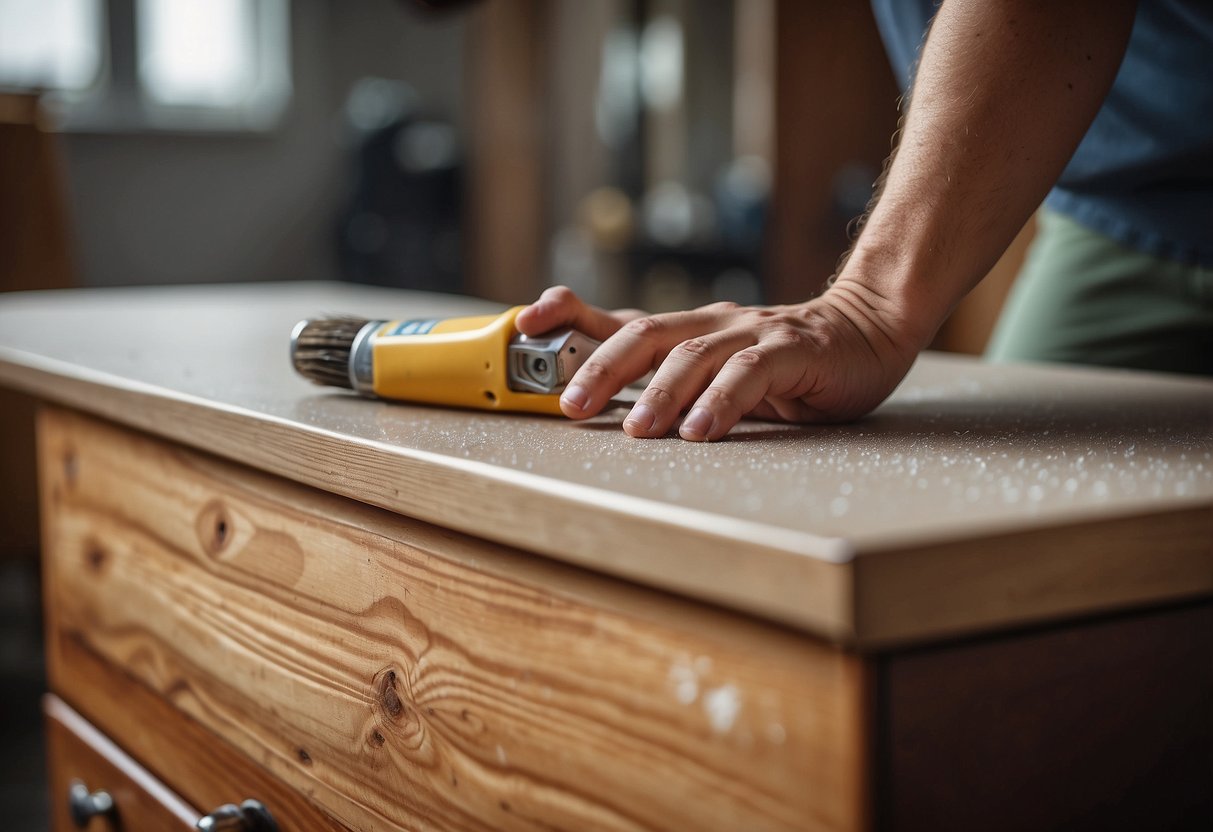
Laminate furniture is a popular choice for many households due to its durability and affordability. However, even with proper care and maintenance, laminate furniture can still experience peeling. This can be caused by a variety of factors such as exposure to heat, humidity, or water damage. Fortunately, repairing peeling laminate furniture is a relatively easy process that you can do yourself.
In this article, we will guide you through the process of fixing peeling laminate furniture. We will cover everything from identifying and preparing for repairs to executing the repair process. We will also answer some frequently asked questions about laminate furniture. So grab your tools and let’s get started!
Key Takeaways
- With proper care and maintenance, laminate furniture can be durable and affordable.
- Repairing peeling laminate furniture is a simple process that you can do yourself.
- By following our guide, you can bring your peeling laminate furniture back to its former glory.
Identifying and Preparing for Repairs
Assessing the Damage
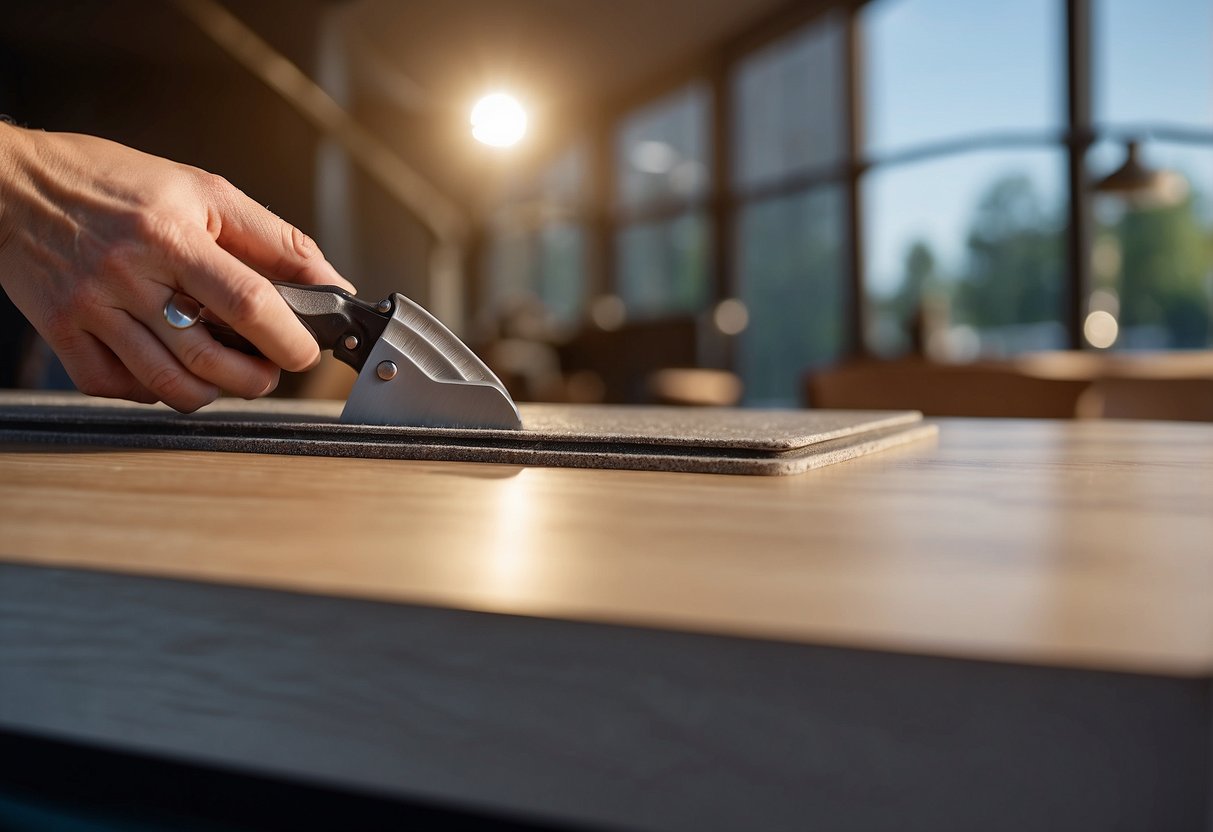
Before you start repairing your peeling laminate furniture, you need to assess the damage to determine the best course of action. Check the affected area for any chips, scratches, dents, water damage, bubbling, cracks, or other minor damage. If the damage is severe, you may need to seek professional help.

Gathering Materials
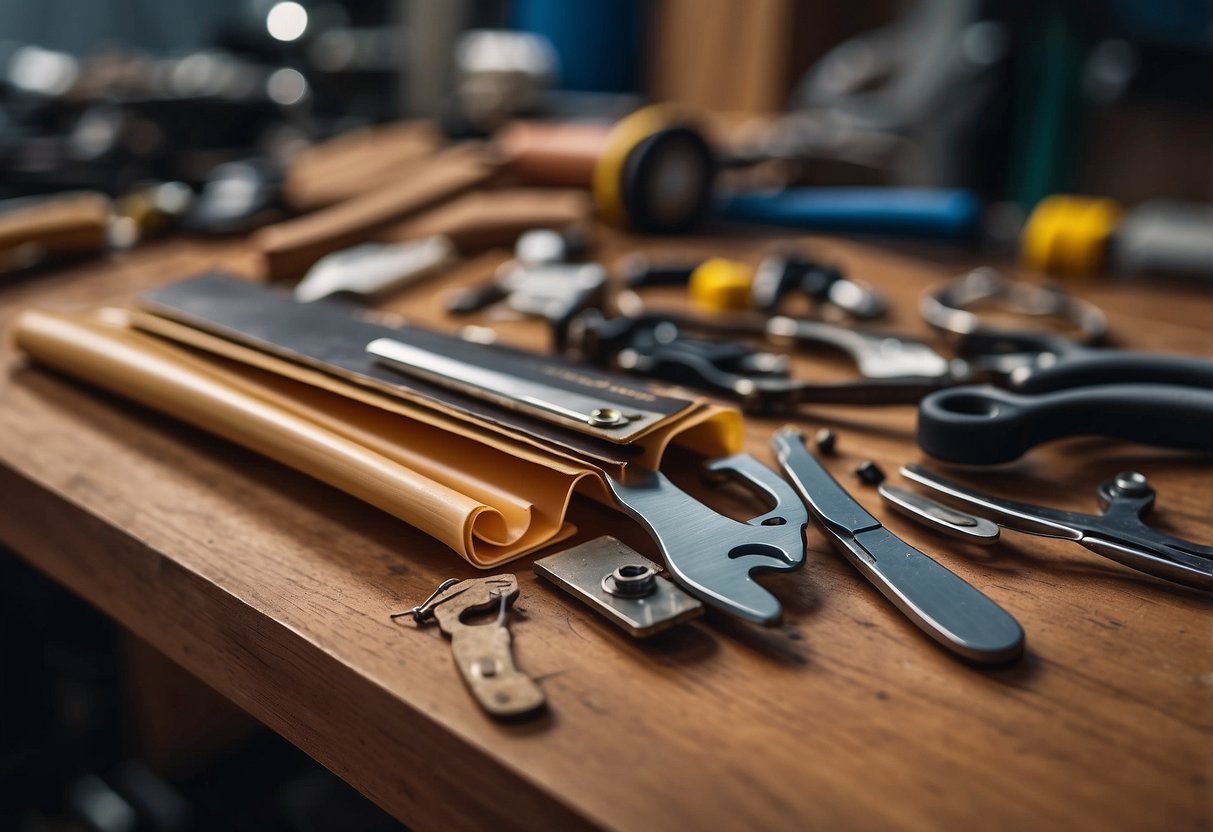
Once you have assessed the damage, you need to gather the necessary materials for the repair. You will need sandpaper, wood filler, putty knife, primer, paint, and a paintbrush. Make sure you choose the right colour paint to match your furniture. You can find these materials at your local DIY store.
Preparing the Surface
Before you start repairing your peeling laminate furniture, you need to prepare the surface. First, clean the affected area with a damp cloth to remove any dirt or debris. Then, sand the area lightly to remove the finish and smooth out any rough edges. Be careful not to sand too hard, as this can damage the furniture further.
Next, apply the wood filler to the affected area using a putty knife. Smooth it out evenly and let it dry completely. Once the filler is dry, sand it lightly to smooth out any rough edges. Then, apply a coat of primer to the area and let it dry completely.
Finally, apply a coat of paint to the area using a paintbrush. Let it dry completely before applying a second coat. Once the second coat is dry, your peeling laminate furniture should look as good as new.
Remember, repairing your peeling laminate furniture is a simple process that can save you money and extend the life of your furniture. With the right materials and a little bit of effort, you can easily fix any minor damage and restore your furniture to its former glory.
Executing the Repair Process
Repairing Peeling and Chipping
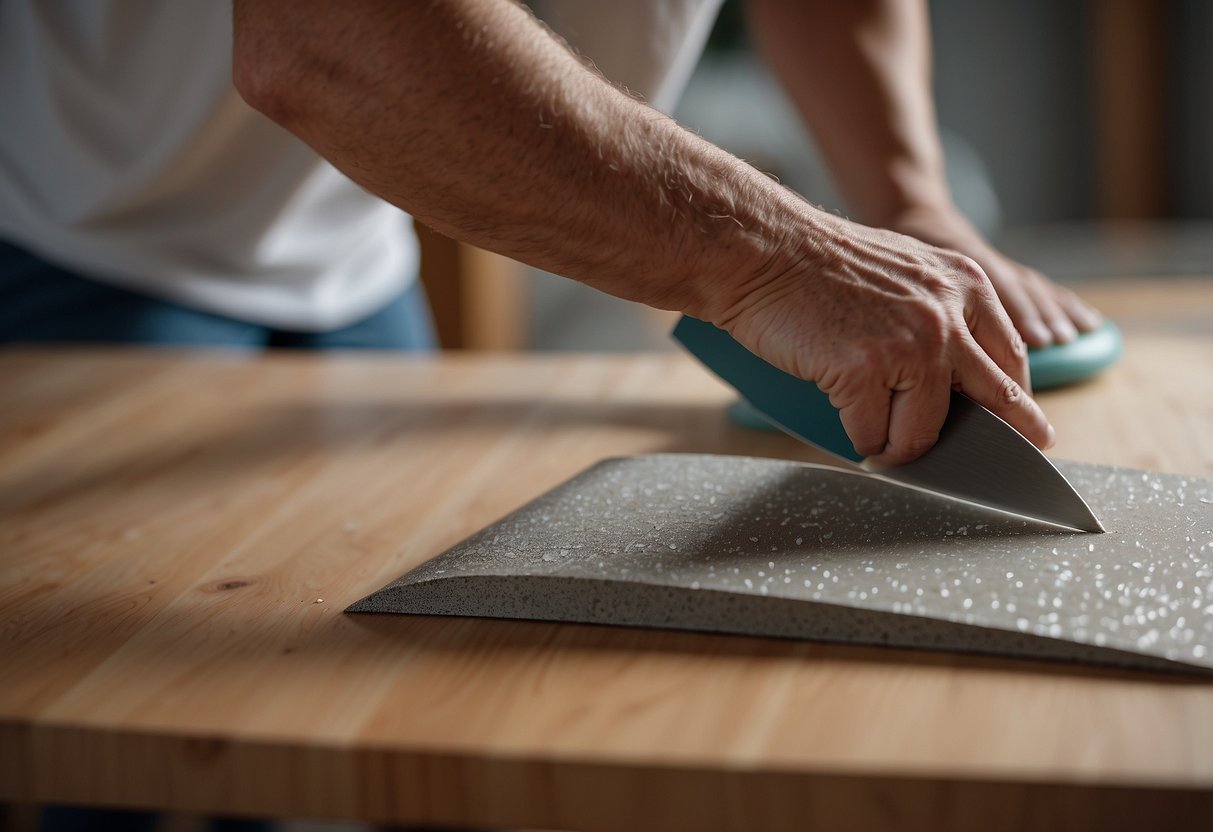
To repair peeling and chipping on your laminate furniture, you will need a laminate repair kit, which can be purchased from any hardware store or online retailer. The kit should contain everything you need to fix the damage, including glue, wood filler, putty knife, and sandpaper.
Start by cleaning the damaged area with a damp cloth and allowing it to dry completely. Then, apply a small amount of glue to the chipped or peeling area and use the putty knife to spread it evenly. Allow the glue to dry completely before moving on to the next step.
Next, use the wood filler to fill in any gaps or cracks in the damaged area. Apply the filler with a putty knife and smooth it out as much as possible. Allow the filler to dry completely before moving on to the next step.

Filling and Sanding
Once the glue and filler have dried, use sandpaper to smooth out the repaired area. Start with a coarse grit sandpaper and gradually move to a finer grit until the surface is smooth and even. Be careful not to sand too much and damage the surrounding area.
After sanding, wipe the area with a clean, dry cloth to remove any dust or debris.
Painting and Finishing
To finish the repair process, you can paint or stain the repaired area to match the rest of the furniture. If you choose to paint, start by applying a primer to the repaired area and allow it to dry completely. Then, apply the paint in thin, even coats, allowing each coat to dry before applying the next.
If you choose to stain, use a gel stain to match the colour of the rest of the furniture. Apply the stain with a clean cloth, following the manufacturer’s instructions. Once the stain has dried, apply a protective layer, such as wax or sealant, to the repaired area to prevent future damage.
In conclusion, fixing peeling laminate furniture is a simple process that can be done with a few basic tools and materials. With a little patience and some elbow grease, you can restore your furniture to its former glory and enjoy it for years to come.
Frequently Asked Questions
What’s the best way to repair a lifting veneer?
If you have a lifting veneer, the best way to repair it is by using a glue syringe to inject glue underneath the veneer. Then, use a clamp to hold the veneer in place until the glue dries. Once the glue is dry, sand the surface to remove any excess glue and refinish the surface to match the rest of the piece.
Can you suggest a method for repairing water-damaged wood veneer?
If you have water-damaged wood veneer, the first step is to remove any loose or damaged veneer. Then, use a wood filler to fill in any gaps or holes in the surface. Sand the surface to smooth out any rough spots and refinish the surface to match the rest of the piece.
How can one fix a peeling wood finish on furniture?
To fix a peeling wood finish on furniture, start by sanding the surface to remove any loose or flaking finish. Then, use a wood filler to fill in any gaps or holes in the surface. Sand the surface again to smooth out any rough spots and refinish the surface to match the rest of the piece.
What are the steps to repair damaged veneer on a tabletop?
To repair damaged veneer on a tabletop, start by removing any loose or damaged veneer. Then, use a glue syringe to inject glue underneath the veneer and clamp the veneer in place until the glue dries. Once the glue is dry, sand the surface to remove any excess glue and refinish the surface to match the rest of the piece.
Is there a way to fix veneer that’s peeling on particle board cabinets?
If you have veneer that’s peeling on particle board cabinets, the best way to fix it is by using a glue syringe to inject glue underneath the veneer. Then, use a clamp to hold the veneer in place until the glue dries. Once the glue is dry, sand the surface to remove any excess glue and refinish the surface to match the rest of the piece.
What might be causing my laminate to peel and how can I address it?
Laminate can peel due to a variety of reasons, such as exposure to moisture, heat, or age. To address it, start by removing any loose or damaged laminate. Then, use a laminate repair kit to fill in any gaps or holes in the surface. Sand the surface to smooth out any rough spots and refinish the surface to match the rest of the piece. To prevent future peeling, avoid exposing the laminate to moisture or extreme temperatures.