

How Long Does Leather Furniture Last? A Friendly Guide to Leather Furniture Lifespan
If you’re looking to invest in leather furniture for your home, you may be wondering how long it will last. Leather furniture is a popular choice for its durability and timeless design, but just how long can you expect it to last? In this article, we’ll explore the factors that influence the lifespan of leather furniture and provide tips on how to maintain it for longevity.
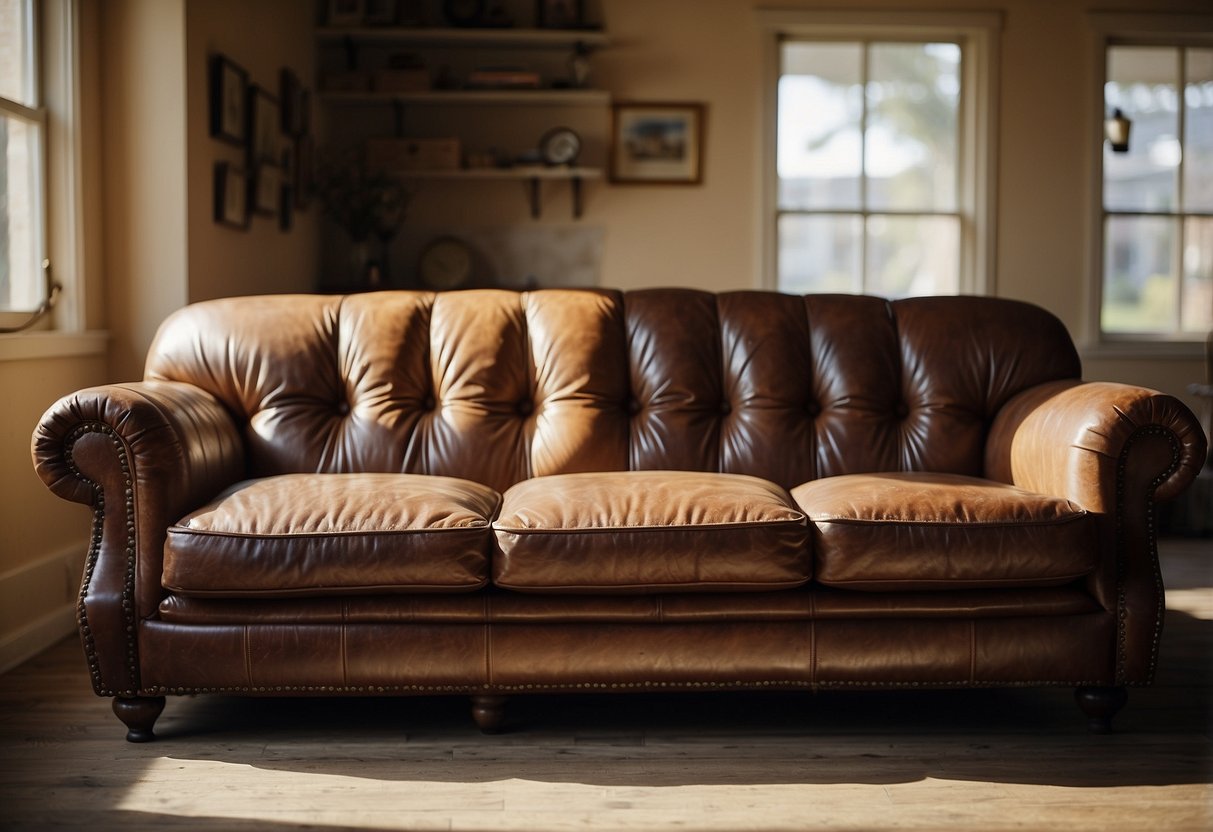
Understanding the quality and types of leather is important when considering the lifespan of your furniture. Full-grain leather is the highest quality and most durable, while bonded leather is made from scraps and has a shorter lifespan. Aniline leather is another high-quality option, but it requires more maintenance. The type of leather you choose will affect how long your furniture lasts and how much maintenance it requires.
Proper maintenance is key to extending the lifespan of your leather furniture. Regular cleaning and conditioning can prevent cracking and fading, while avoiding direct sunlight and heat sources can prevent drying and discolouration. With proper care, your leather furniture can last anywhere from 10 to 25 years or more, making it a worthwhile investment for your home.

Key Takeaways
- The quality and type of leather affects the lifespan of your furniture.
- Proper maintenance, such as cleaning and conditioning, can prevent damage and extend the lifespan of your leather furniture.
- Leather furniture can last anywhere from 10 to 25 years or more with proper care, making it a worthwhile investment for your home.
Understanding Leather Quality and Types
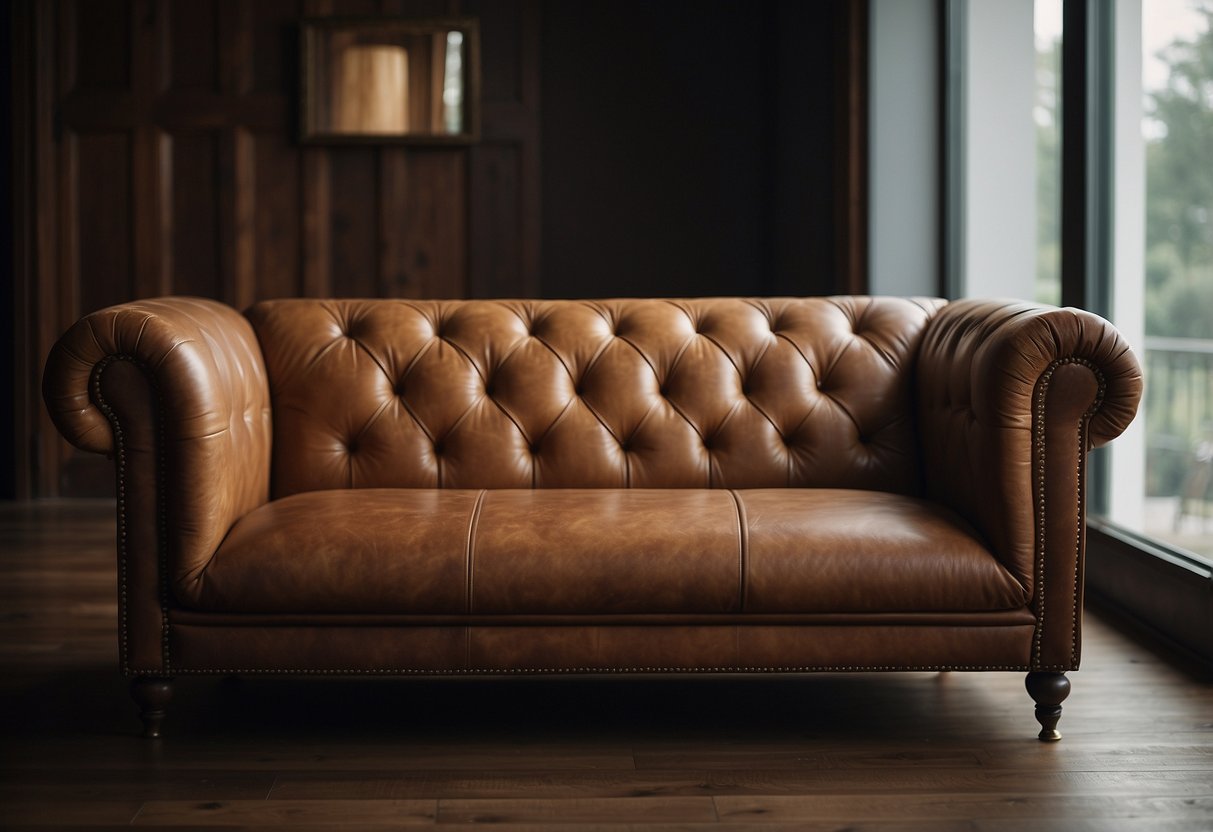
When it comes to leather furniture, understanding the different grades and types of leather is crucial to ensure you get the best quality and longevity. Here are some things you need to know:

Different Grades of Leather
Leather is graded based on its quality, with the highest quality being full-grain leather. Full-grain leather is made from the top layer of the hide, making it the most durable and long-lasting. Split-grain leather, on the other hand, is made from the bottom layer of the hide and is less durable.
Comparing Genuine, Top-Grain, and Bonded Leather
Genuine leather refers to any leather that comes from a real animal hide. However, this term doesn’t necessarily mean that the leather is of high quality. Top-grain leather, on the other hand, is the second-highest quality of leather and is made from the top layer of the hide. Bonded leather is made from scraps of leather that are bonded together with adhesive, making it the least durable and long-lasting.
Leather Types: Full-Grain vs Split-Leather
Full-grain leather is the highest quality of leather and is made from the top layer of the hide. It is the most durable and long-lasting type of leather. Split-grain leather, on the other hand, is made from the bottom layer of the hide and is less durable. It is important to note that while full-grain leather is the most durable, it is also the most expensive.
When it comes to leather furniture, the quality of the leather used will affect how well it holds up over time. It is important to choose a high-quality leather that is authentic and has been sourced ethically. By understanding the different grades and types of leather, you can make an informed decision when purchasing leather furniture that will last for many years to come.
Maintaining Your Leather Furniture for Longevity
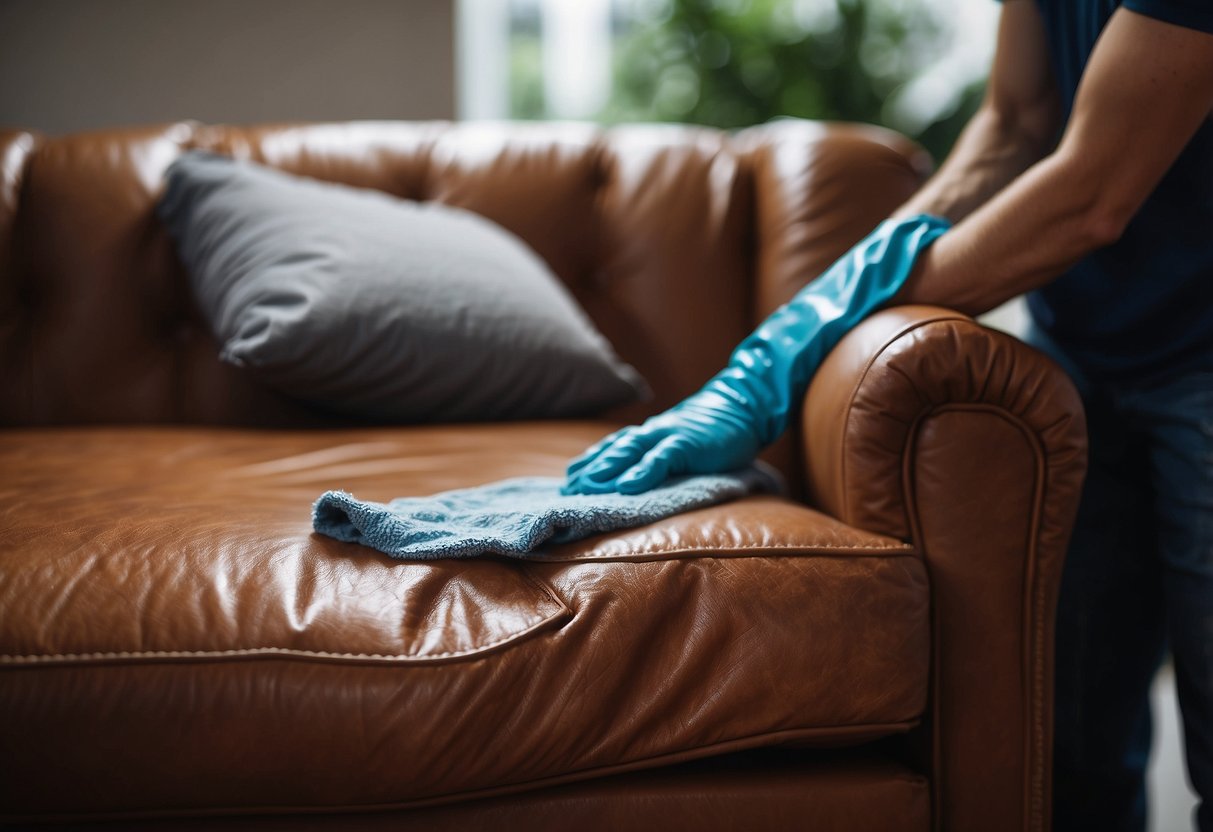
To ensure that your leather furniture lasts as long as possible, it is essential to take proper care of it. Here are some tips on how to maintain your leather furniture for longevity.
Proper Cleaning and Conditioning
Regular cleaning and conditioning of your leather sofa will help to keep it looking new for longer. Use a soft cloth to gently wipe down your sofa, removing any dust or dirt that may have accumulated on the surface. You can also use a vacuum cleaner with a soft brush attachment to get into the nooks and crannies.
When cleaning your leather sofa, it is important to use a cleaning product that is specifically designed for leather. Avoid using harsh chemicals or abrasive cleaners that can damage the leather. After cleaning, apply a leather conditioner to keep the leather soft and supple.
Protecting Leather from Sunlight and Heat
Direct sunlight and heat can cause leather to fade and crack over time. To protect your leather sofa from sunlight and heat, position it away from windows and heat sources such as radiators and fireplaces.
You can also use curtains or blinds to block out direct sunlight. If you need to place your leather sofa in a sunny spot, consider using a UV-blocking spray to protect it from the sun’s harmful rays.
Managing Wear and Tear from Pets and Usage
Pets and regular usage can cause wear and tear on your leather sofa. To prevent scratches and tears, consider covering your sofa with a protective cover when not in use. You can also train your pets not to climb on the sofa or to use a designated pet bed.
If your leather sofa does get scratched or torn, you can use a leather repair kit to fix the damage. These kits contain a range of products designed to repair small tears and scratches in leather.
By following these simple tips for care and maintenance, you can help to ensure that your leather sofa lasts for many years to come. Remember to clean and condition your sofa regularly, protect it from sunlight and heat, and manage wear and tear from pets and regular usage.
Frequently Asked Questions
What’s the typical lifespan of a genuine leather sofa?
A well-maintained leather sofa can last for 10 to 15 years or even longer, depending on the quality of the leather, the care it receives, and how heavily it is used. High-quality leather sofas can last up to 25 years with proper care and maintenance.
Can you tell me about the durability of leather sofas compared to fabric ones?
Leather is more durable than fabric and can withstand wear and tear better. It is also easier to clean and maintain, making it a popular choice for families with children and pets.
What are the main drawbacks of choosing leather furniture for my home?
One of the main drawbacks of leather furniture is that it can be expensive compared to fabric furniture. Leather can also be uncomfortable in extreme temperatures and can scratch easily, which may not be ideal for households with pets.
Is maintaining a leather couch a lot of work?
Maintaining a leather couch is not a lot of work, but it does require regular cleaning and conditioning to keep it looking its best. You should avoid exposing your leather furniture to direct sunlight or heat sources, as this can cause the leather to dry out and crack.
How does the longevity of faux leather furniture compare to real leather?
Faux leather furniture is not as durable as real leather and may not last as long. It can also be more difficult to clean and maintain, as it is not as resistant to wear and tear.
Does regularly using leather conditioner extend the life of a leather couch?
Yes, regularly using leather conditioner can help extend the life of a leather couch. Leather conditioner helps to keep the leather soft and supple, preventing it from drying out and cracking. It also helps to protect the leather from stains and spills.