

Future Office Furniture: Innovative Designs for Modern Workspaces
If you’re looking to update your office space, you might be wondering what the future holds for office furniture. As we move towards a more eco-conscious society, sustainable materials are becoming increasingly popular. Recycled plastics, reclaimed wood, and sustainable fabrics are just a few examples of the materials that are expected to become the new norm in office furniture design.
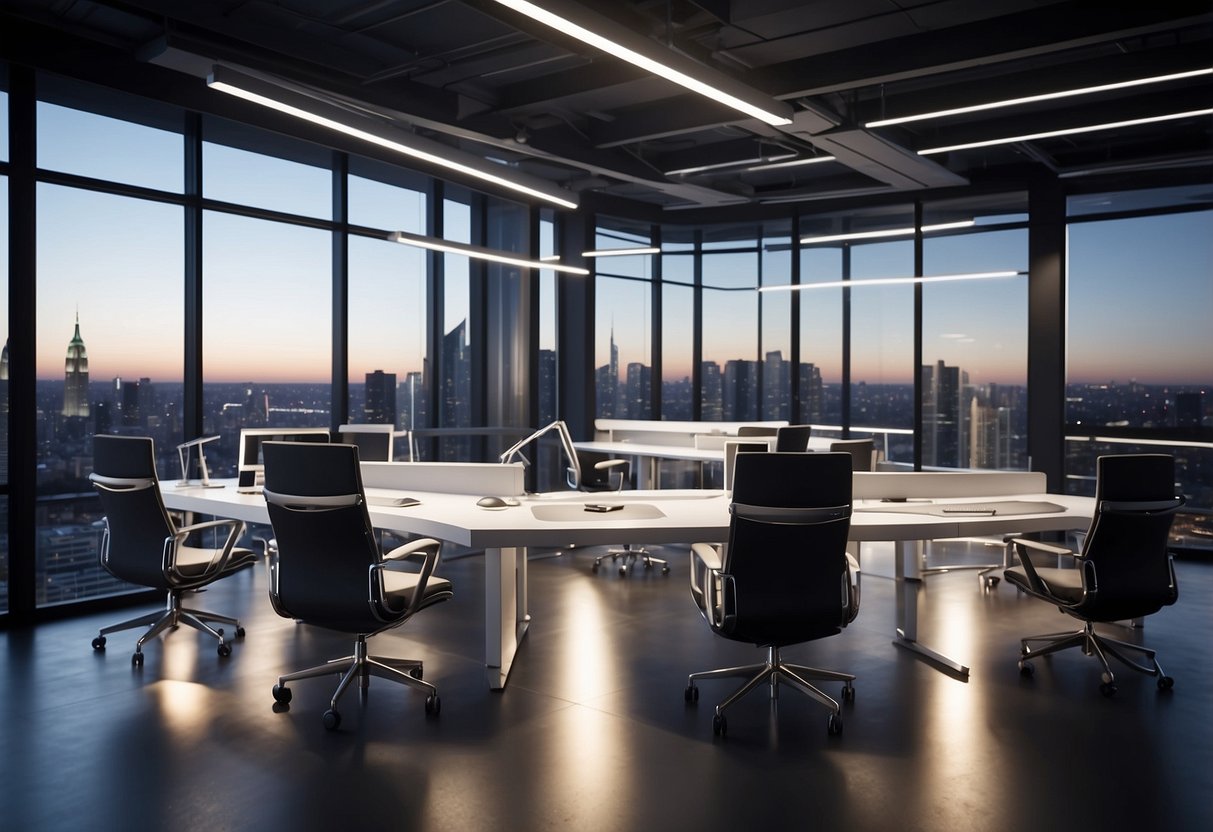
In addition to sustainability, the future of office furniture will also focus on creating workspaces that enhance employee well-being and productivity. This means that we can expect to see more ergonomic furniture designs that promote good posture and reduce the risk of repetitive strain injuries. Collaborative spaces that encourage teamwork and creativity will also become more prevalent.
Overall, the future of office furniture is exciting and promising. With a focus on sustainability, well-being, and productivity, the office of the future will be a space that promotes success and growth for both individuals and businesses.

Key Takeaways
- Sustainable materials, such as recycled plastics and reclaimed wood, are becoming increasingly popular in office furniture design.
- Ergonomic furniture designs that promote good posture and reduce the risk of repetitive strain injuries will become more prevalent.
- Collaborative spaces that encourage teamwork and creativity will be a key feature of the office of the future.
Evolving Workspaces and Design
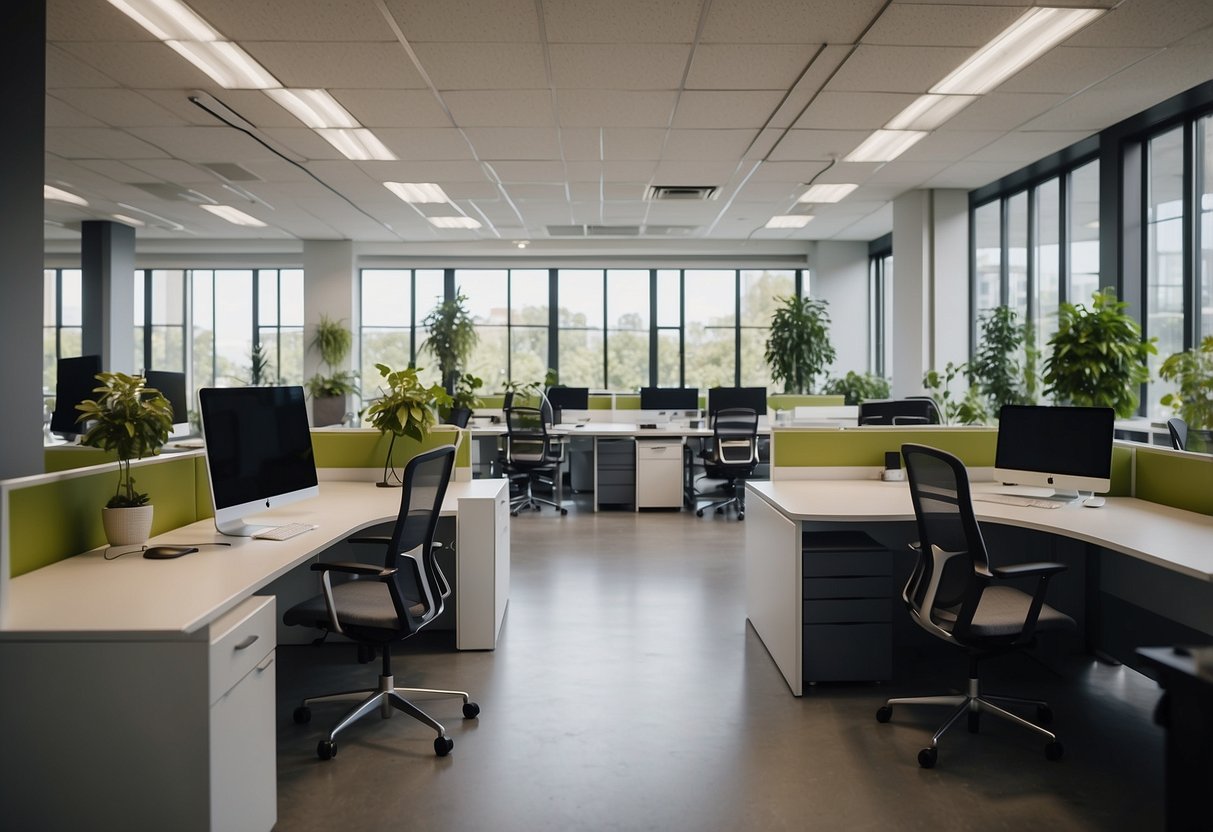
As you prepare to embrace the future of work, it is important to consider the evolving nature of workspaces and office furniture design. Here are some key trends to keep in mind:

Biophilic Design and Natural Elements
Bringing natural elements into your workspace can have a positive impact on your overall wellbeing. Incorporating plants, living walls, and natural lighting can help reduce stress levels and increase productivity. By creating a connection to nature in your workspace, you can create a more pleasant and inviting environment that promotes creativity and collaboration.
Sustainable and Eco-Friendly Practices
As environmental consciousness continues to rise, it is important to consider sustainable and eco-friendly practices in your office furniture design. Materials like recycled plastics, reclaimed wood, and sustainable fabrics are becoming the new norm. By incorporating sustainable practices in your workspace, you can reduce your carbon footprint and create a more environmentally friendly workplace.
Technology and Connectivity in Office Furniture
Incorporating technology and connectivity in your office furniture can help create a seamless collaboration experience. Features like wireless charging, video conferencing, and smart lighting can help create a modern workspace that promotes productivity and connectivity.
Adaptability for Hybrid Work Models
With the rise of remote work and hybrid work models, it is important to consider the adaptability of your office furniture design. Creating flexible and adaptable workspaces can help accommodate the changing needs of your workforce. By incorporating private spaces and activity-based working areas, you can create a workspace that promotes focus and collaboration.
As you consider the evolving nature of workspaces and office furniture design, keep in mind the importance of sustainability, natural elements, and technology integration. By embracing these trends, you can create a modern workspace that promotes productivity, collaboration, and wellbeing.
Enhancing Employee Well-Being and Productivity
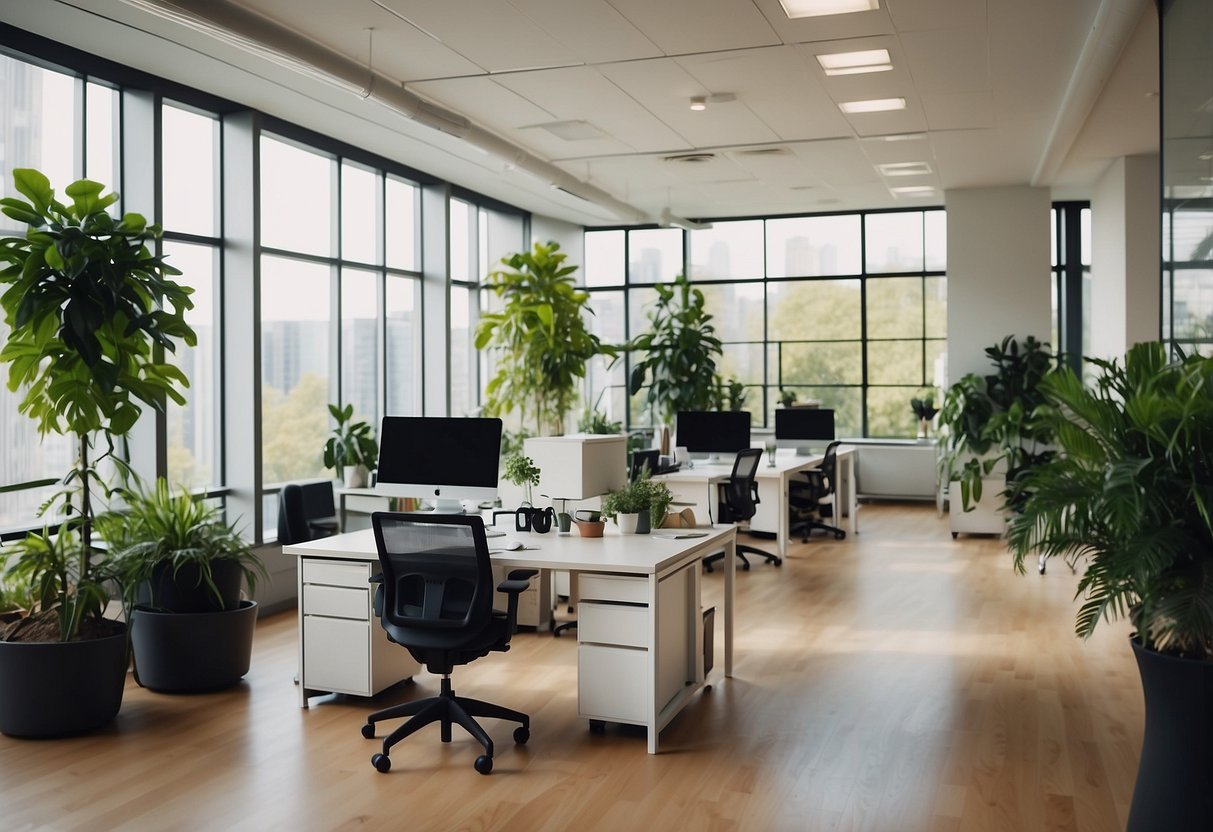
Creating a comfortable and health-focused work environment is essential for enhancing employee well-being and productivity. By incorporating art and creativity, fostering collaboration and communication, and designing for diversity and inclusivity, you can create a workplace that supports your employees’ physical and mental health.
Incorporating Art and Creativity
Art and creativity can have a profound impact on employee well-being and productivity. By incorporating art into your office design, you can create a more inspiring and engaging work environment. For example, you can hang paintings or sculptures on the walls, or you can create a mural that reflects your company’s values and mission.
In addition to art, you can also encourage creativity by providing your employees with ample natural light and comfortable furniture. By creating a space that fosters creativity, you can help your employees generate new ideas and solutions.
Fostering Collaboration and Communication
Collaboration and communication are essential for creating a productive work environment. By designing your office space to encourage collaboration and communication, you can help your employees work together more effectively.
For example, you can create an open-plan office that allows your employees to work together in a shared space. You can also provide your employees with tools such as sensors and communication software that enable them to collaborate and communicate more easily.
Designing for Diversity and Inclusivity
Diversity and inclusivity are essential for creating a work culture that supports employee well-being and productivity. By designing your office space to accommodate employees of different backgrounds and abilities, you can create a more inclusive work environment.
For example, you can provide your employees with adjustable furniture that can be adapted to their individual needs. You can also create quiet spaces for employees who need to concentrate, and you can provide resources such as mental health support to ensure that all employees feel supported and valued.
In conclusion, by incorporating art and creativity, fostering collaboration and communication, and designing for diversity and inclusivity, you can create a work environment that enhances employee well-being and productivity. By prioritising your employees’ physical and mental health, you can create a work culture that supports your employees and enables them to thrive.
Frequently Asked Questions
What are the latest trends in modern office furniture design?
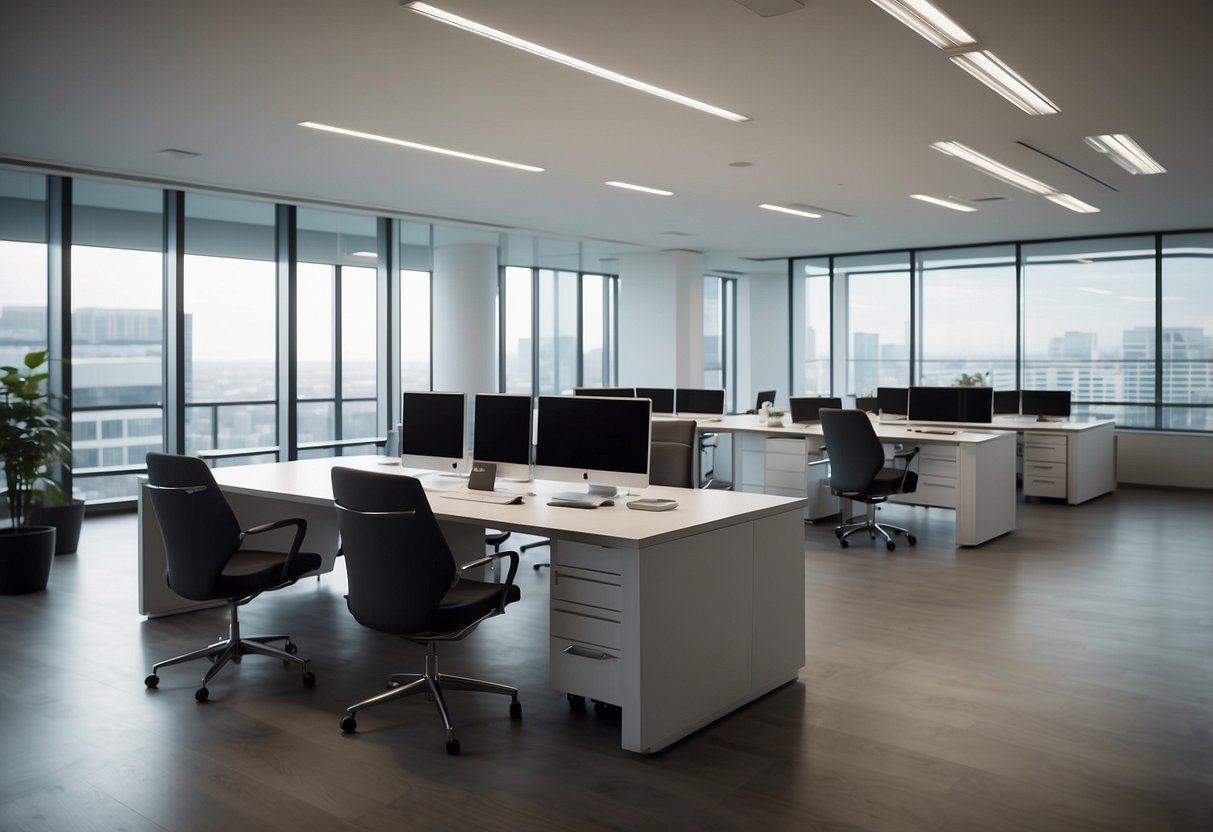
Modern office furniture design is all about creating a comfortable and functional workspace that promotes productivity and collaboration. Some of the latest trends in office furniture design include ergonomic chairs and desks, standing desks, and collaborative workstations.
How can ergonomic furniture improve productivity in the workplace?
Ergonomic furniture is designed to provide maximum comfort and support to the user, which can help reduce the risk of injury and improve productivity. Ergonomic chairs, for example, can help reduce back pain and improve posture, while standing desks can help improve circulation and reduce fatigue.
What should I consider when selecting furniture for a small office space?
When selecting furniture for a small office space, it’s important to consider the size and layout of the room, as well as the needs of your employees. Look for furniture that is compact and space-saving, such as modular desks and chairs that can be easily stacked or stored away when not in use.
Are there sustainable and eco-friendly office furniture options available?
Yes, there are many sustainable and eco-friendly office furniture options available, such as furniture made from recycled materials or sustainably sourced wood. Look for furniture that has been certified by organisations such as the Forest Stewardship Council (FSC) or the Programme for the Endorsement of Forest Certification (PEFC).
How often should office furniture be replaced to ensure a modern and functional workspace?
The lifespan of office furniture can vary depending on factors such as usage, quality, and maintenance. However, as a general rule, it’s recommended to replace office furniture every 5-7 years to ensure a modern and functional workspace.
What are the benefits of investing in high-quality office furniture?
Investing in high-quality office furniture can have many benefits, such as improved comfort and productivity, reduced risk of injury, and a more professional and welcoming workspace. High-quality furniture is also likely to last longer and require less maintenance, which can save you money in the long run.