

Furniture Wood Color: Tips for Choosing the Right Shade
Welcome to the world of furniture wood color! Choosing the right wood color for your furniture can be a daunting task, but it doesn’t have to be. In this article, we will guide you through the process of understanding wood colors and textures and help you choose the right wood color for your furniture.
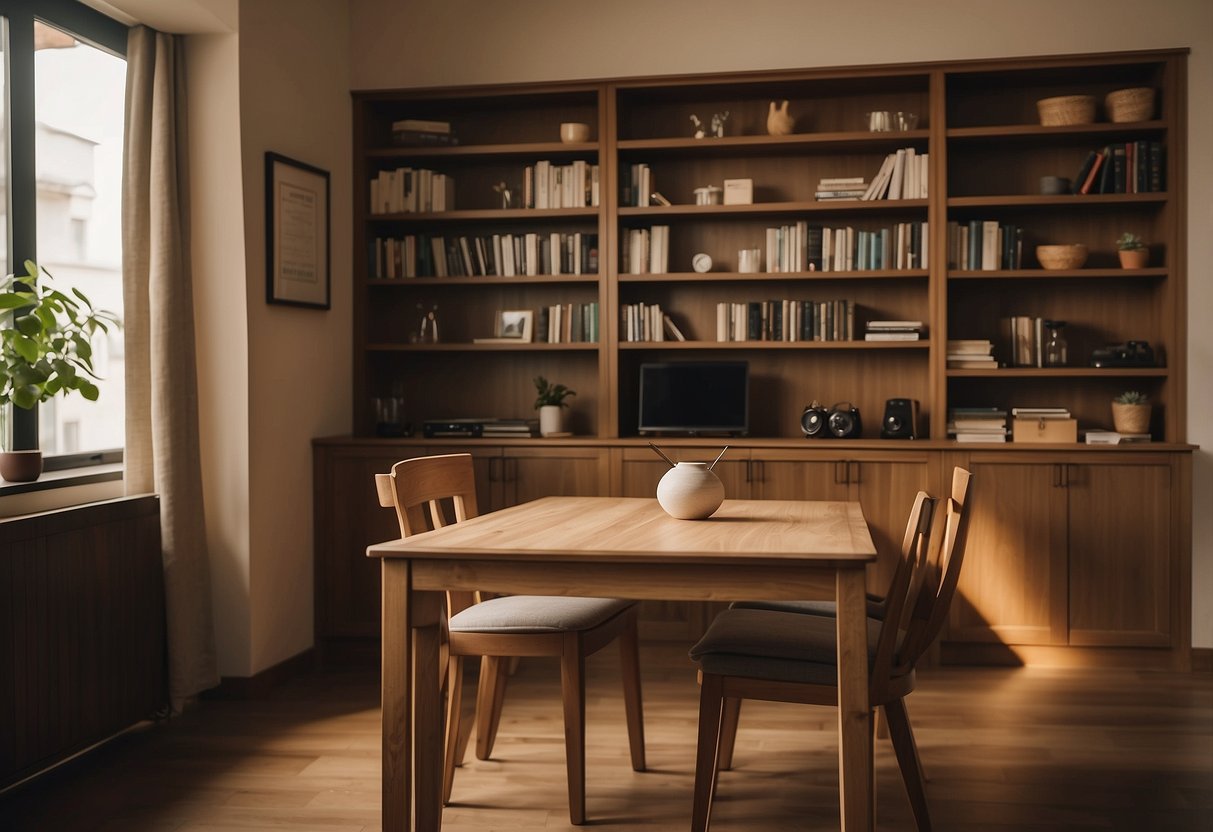
Wood is a natural material that comes in a variety of colors and textures. Each type of wood has its own unique characteristics that can greatly affect the overall look and feel of your furniture. Understanding the different types of wood and their colors is essential when choosing the right wood for your furniture.
When it comes to furniture, wood color is one of the most important factors to consider. The color of your furniture can greatly affect the overall look and feel of your room. Whether you’re looking for a natural wood color or a painted finish, choosing the right wood color for your furniture can be a daunting task. But don’t worry, we’ve got you covered!

Understanding Wood Colors and Textures

The Spectrum of Wood Colors
When it comes to furniture, wood color is an important factor to consider. Natural wood comes in a variety of tones, from light to dark, and everything in between. Some common wood tones include honey, amber, cherry, mahogany, and ebony. Each wood has its own unique undertones, which can range from warm to cool. Understanding the undertones of wood is crucial for matching furniture.

Grain Patterns and Textures
The grain pattern and texture of wood can also play a significant role in the look and feel of furniture. The grain pattern refers to the lines and swirls that are visible on the surface of the wood. Some woods have a straight grain pattern, while others have a more pronounced and unique pattern. The texture of the wood can also vary, from smooth to rough.
Natural Variations in Wood
Natural variations in wood can add character and depth to furniture. These variations can include knots, burls, and other unique features that make each piece of furniture one-of-a-kind. Additionally, as wood ages, it can develop a patina, which is a natural change in color that occurs over time.
When choosing furniture, it’s important to consider the natural variations in the wood, as they can add interest and personality to your space. Whether you prefer a smooth, uniform look or a more rustic, textured feel, there’s a wood out there to suit your style.
Choosing the Right Wood Color for Your Furniture
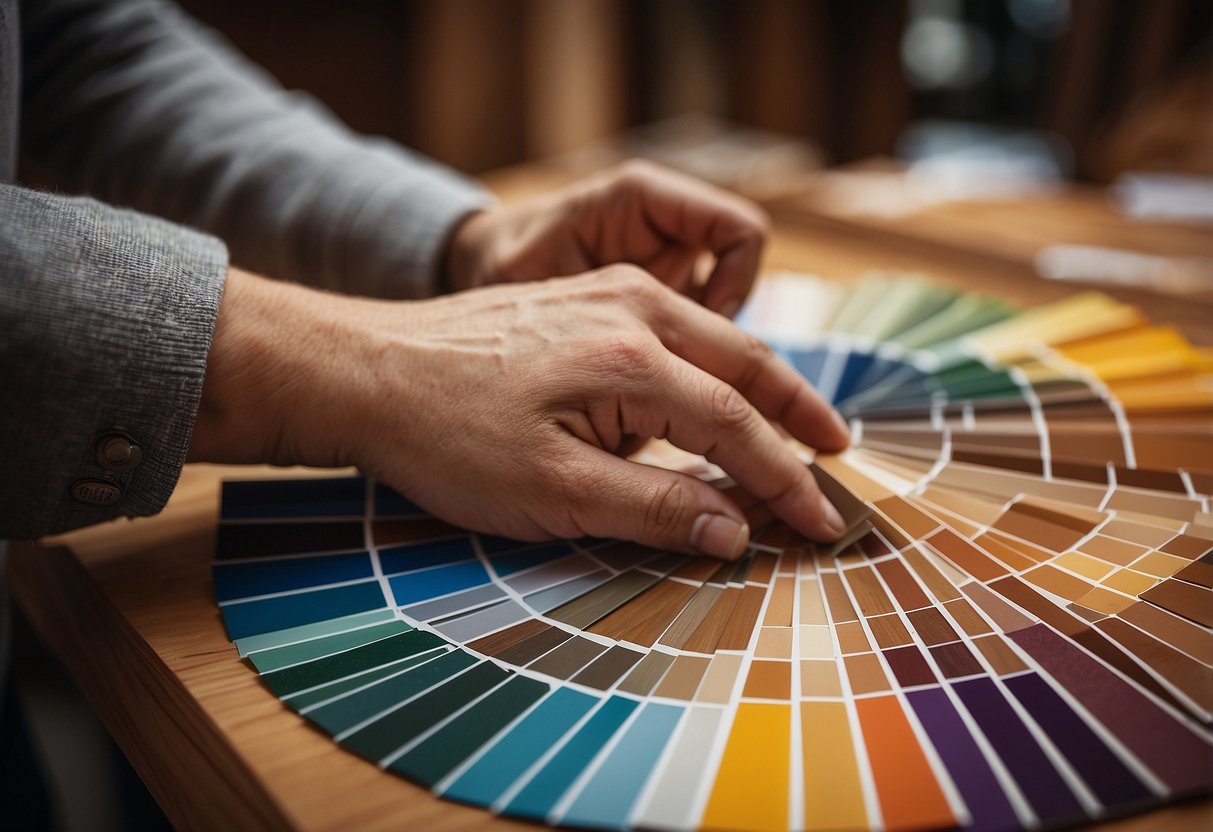
When it comes to choosing the right wood color for your furniture, there are several factors to consider. You want to select a color that complements your room decor and creates the desired mood. Additionally, you want to ensure that your wood furniture matches other wood tones in your home. Here are some tips to help you choose the perfect wood color for your furniture.
Matching Wood Tones with Room Decor
To create a cohesive look, it’s important to match the wood tones of your furniture with your room decor. If your room has a warm color scheme, consider using wood furniture with a warm tone, such as cherry or walnut. If your room has a cool color scheme, opt for wood furniture with a cool tone, such as maple or oak. You can also use accessories like pillows, curtains, and rugs to tie in the wood tones with your decor.
Staining Wood for Desired Color and Depth
If you can’t find the perfect wood color for your furniture, consider staining it to achieve the desired color and depth. Staining allows you to add a personal touch to your furniture and create a unique look. When staining wood, it’s important to follow the manufacturer’s instructions and test the stain on a small, inconspicuous area first to ensure that you achieve the desired color.
Care and Maintenance of Colored Wood
Colored wood furniture requires special care and maintenance to ensure that it retains its color and luster. Avoid placing your furniture in direct sunlight, as this can cause the color to fade over time. Additionally, use a soft cloth to dust your furniture regularly and avoid using harsh chemicals or abrasive cleaners, as these can damage the wood surface.
By following these tips, you can choose the perfect wood color for your furniture and create a beautiful and cohesive look in your home. Remember to consider the color scheme of your room, use accessories to complement your wood furniture, and take care of your colored wood to ensure that it lasts for years to come.
Frequently Asked Questions

How can I choose the best wood colour for my furniture?
Choosing the best wood colour for your furniture depends on a variety of factors, including the style of your home, the mood you want to create, and your personal preferences. Consider the existing colours in your space and choose a wood tone that complements or contrasts with them. Lighter wood tones like oak, pine, and ash create a bright and airy feel, while darker tones like mahogany and walnut create a more traditional, formal look.
What are the most popular wood colours for furniture in the living room?
The most popular wood colours for living room furniture are neutral tones like beige, grey, and white, as well as natural wood tones like oak, pine, and walnut. These colours create a warm and inviting atmosphere and complement a variety of decor styles.
Can I mix different wood colours in my furniture setup?
Yes, you can mix different wood colours in your furniture setup as long as they complement each other. For example, you can pair a dark wood coffee table with light wood side tables or a light wood bookshelf with a dark wood TV stand. Just make sure the colours don’t clash and create a cohesive look.
What wood colours are recommended for bedroom furniture to create a relaxing atmosphere?
To create a relaxing atmosphere in your bedroom, consider using natural wood tones like oak, pine, and ash. These colours create a warm and calming feel and promote a peaceful environment. You can also use muted colours like grey and beige to create a serene and tranquil space.
How do I match my sofa with the right wood colour for a harmonious look?
When choosing a wood colour for your sofa, consider the colour of the upholstery and the existing colours in your space. If your sofa is a neutral colour like beige or grey, you can pair it with natural wood tones like oak or pine. If your sofa has a bold colour like red or blue, you can pair it with a darker wood tone like mahogany or walnut to create a dramatic look.
What wood colour combinations work well for kitchen furniture?
For kitchen furniture, natural wood tones like oak, pine, and ash work well with white or light-coloured cabinets. Darker wood tones like mahogany or walnut can create a more formal look and pair well with darker cabinets. You can also mix and match different wood tones to create a unique and eclectic look.