

Furniture Wax: The Ultimate Guide to Protecting and Enhancing Your Furniture
If you’re looking to protect and enhance the natural beauty of your wooden furniture, then furniture wax may be just what you need. Furniture wax is a protective coating that can help to enhance the sheen and smoothness of the finish, while also providing a barrier against dirt, dust, and moisture. In this article, we’ll explore the benefits of furniture wax and provide tips on how to apply and maintain it.

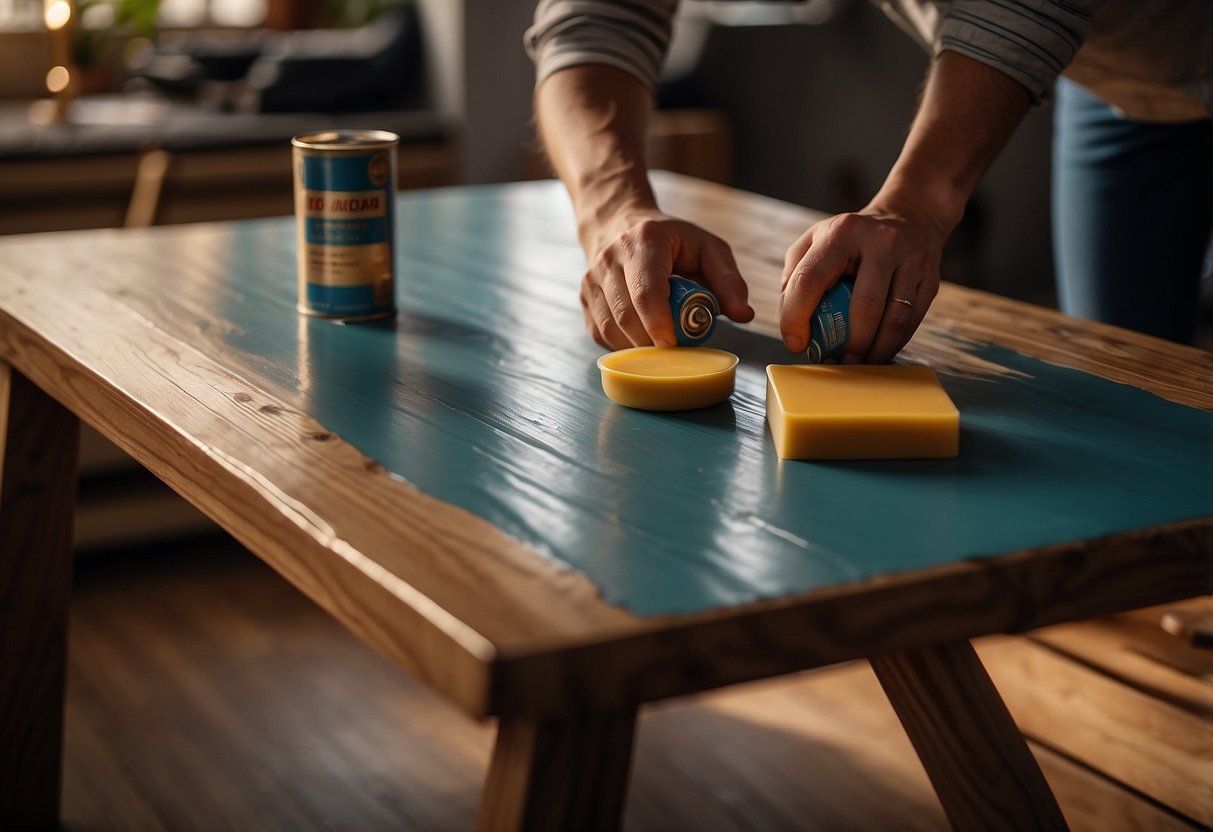
Understanding Furniture Wax Furniture wax is a blend of natural waxes and oils that is designed to protect and enhance the natural beauty of wood. It can be used on a variety of pre-finished wood surfaces, including furniture, floors, and cabinetry. There are many different types of furniture wax available, each with its own unique blend of ingredients and properties. Some waxes are designed to provide a high-gloss finish, while others offer a more matte or satin finish.
Application and Maintenance Applying furniture wax is a straightforward process that can be done with a soft cloth or steel wool. It’s important to apply the wax in a thin, even layer and to buff it out thoroughly to achieve the desired finish. Regular maintenance is also important to keep your furniture looking its best. This may include periodic reapplication of the wax, as well as routine cleaning and dusting to remove dirt and debris.
Key Takeaways
- Furniture wax is a protective coating that can enhance the natural beauty of wood.
- There are many different types of furniture wax available, each with its own unique properties.
- Proper application and maintenance are key to achieving the best results with furniture wax.
Understanding Furniture Wax
When it comes to protecting and enhancing the beauty of your wooden furniture, furniture wax is a game-changer. In this section, you will learn about the different types of furniture wax, the benefits of wax finishes, and how to choose the right wax for your furniture.

Types of Furniture Wax
There are several types of furniture wax available, each with its own unique characteristics. Some of the most common types of furniture wax include:
- Carnauba Wax: This type of wax is made from the leaves of the carnauba palm tree and is known for its durability and shine. It is often used in high-end furniture finishes.
- Beeswax: This type of wax is made from the wax produced by bees and is known for its natural finish and ability to enhance the wood grain.
- Paraffin Wax: This type of wax is made from petroleum and is often used in commercial furniture polishes.
- Natural Waxes: There are many other natural waxes available, such as soy wax and bayberry wax, that can be used to protect and enhance your furniture.
Benefits of Wax Finishes
Wax finishes offer several benefits when it comes to protecting and enhancing your furniture. Some of the most notable benefits include:
- Protection: Furniture wax creates a protective barrier on the surface of your furniture, helping to prevent scratches, spills, and other types of damage.
- Durability: Wax finishes are durable and long-lasting, making them a great choice for furniture that sees a lot of use.
- Shine: Furniture wax can help to enhance the natural shine of your furniture, giving it a beautiful, polished look.
- Wood Grain: Wax finishes can also help to bring out the natural beauty of the wood grain, giving your furniture a unique and timeless look.
- Natural Finish: Wax finishes are often used to achieve a natural, matte finish that allows the beauty of the wood to shine through.
Choosing the Right Wax for Your Furniture
Choosing the right wax for your furniture depends on several factors, including the type of wood, the desired finish, and the level of protection you need. Some waxes are better suited for certain types of wood, while others are better for achieving a specific look or level of protection.
When choosing a wax for your furniture, consider factors such as the colour of the wax, the texture, and the scent. You may also want to consider the ingredients used in the wax, such as natural vegetable wax or synthetic ingredients.
In conclusion, furniture wax is an excellent way to protect and enhance the beauty of your wooden furniture. By understanding the different types of wax available, the benefits of wax finishes, and how to choose the right wax for your furniture, you can achieve professional results and prolong the life of your beloved pieces.
Application and Maintenance
Preparing the Surface
Before applying furniture wax, it is important to clean the surface of your furniture. This will ensure that the wax adheres properly and creates an even finish. Use a clean, dry cotton cloth to dust off any loose dirt or debris. If there are any stains or scratches on the surface, these should be addressed before waxing. You can use a furniture repair kit to fill in scratches, or sand down the surface to remove any deep scratches.

Applying Furniture Wax
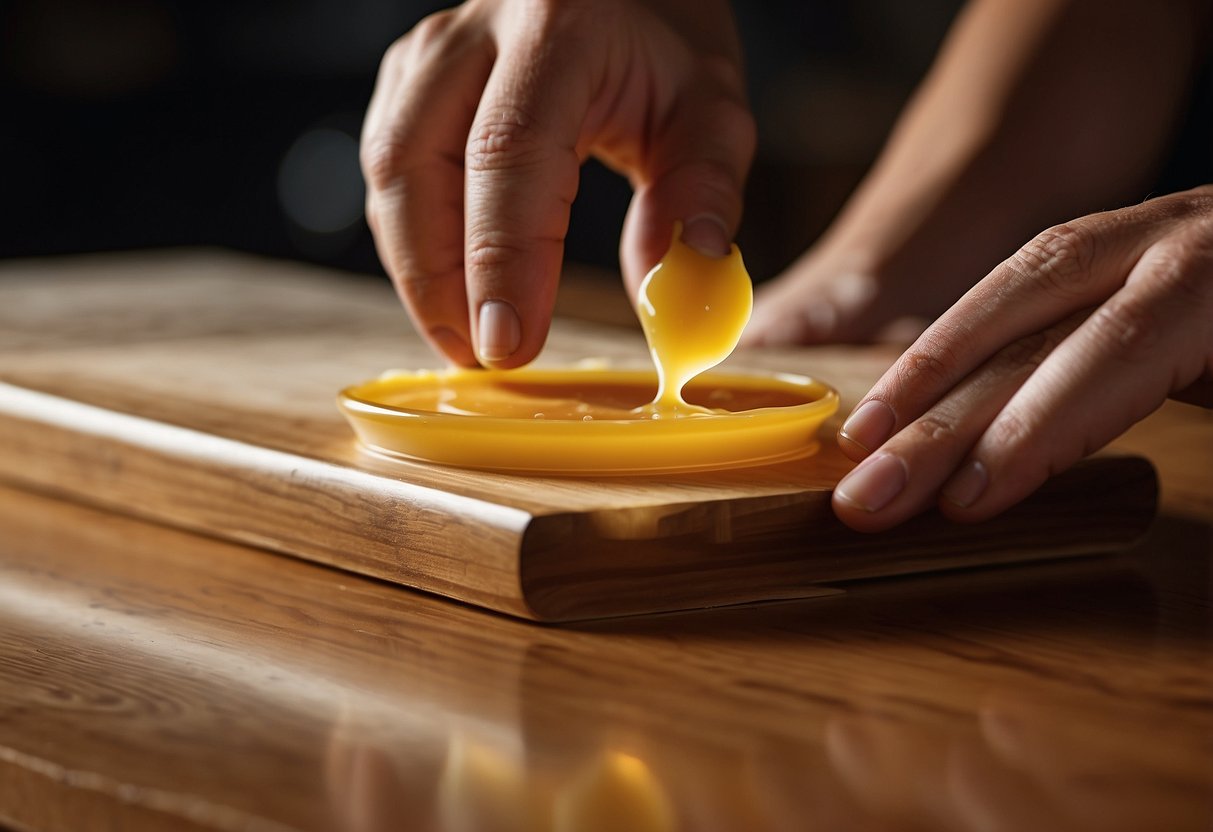
To apply furniture wax, use a wax brush or a clean, dry cotton cloth. Dip the brush or cloth into the wax and apply it to the surface in a circular motion. Make sure to apply the wax evenly, covering the entire surface. Be careful not to apply too much wax, as this can lead to a sticky finish. Allow the wax to dry for the recommended drying time, which is usually around 15-20 minutes.
Buffing and Polishing
Once the wax has dried, use a clean, dry cotton cloth to buff the surface in a circular motion. This will remove any excess wax and create a smooth, shiny finish. For a deeper shine, you can use a furniture polishing compound. Apply the compound to the surface using a clean, dry cloth and buff in a circular motion.
Regular Care and Touch-Ups
To maintain the finish of your furniture, it is important to perform regular care and touch-ups. Dust the surface regularly with a clean, dry cotton cloth to remove any dirt or debris. If the surface becomes stained or scratched, address the issue as soon as possible to prevent further damage. For touch-ups, use a furniture repair kit or sand down the surface and reapply wax as needed. Avoid exposing your furniture to moisture or extreme temperatures, as this can cause wear and tear over time.
Frequently Asked Questions
What are the benefits of using wax over polish for furniture care?
Wax provides a protective layer on the surface of the wood, which helps to prevent scratches, stains, and water damage. It also nourishes the wood, keeping it looking healthy and vibrant. Unlike polish, which can build up over time and create a dull, sticky film, wax is easy to apply and maintain.
How do I choose the best wax for my wooden dining table?
When choosing a wax for your wooden dining table, look for a high-quality product that is specifically designed for furniture. Be sure to read the label carefully to ensure that the wax is suitable for the type of wood you are working with. Some waxes are designed for use on light woods, while others are better suited for darker woods. You may also want to consider the level of shine you want to achieve, as some waxes are more matte, while others provide a high-gloss finish.
Can wax be applied to painted furniture, and if so, which type is recommended?
Yes, wax can be applied to painted furniture, but it is important to choose the right type of wax. Look for a wax that is specifically designed for use on painted surfaces, as these products are formulated to provide a protective layer without damaging the paint. Be sure to test the wax on a small, inconspicuous area before applying it to the entire piece.
What should I consider when deciding between waxing or varnishing my furniture?
When deciding between waxing or varnishing your furniture, consider the level of protection you need. Varnish provides a more durable, long-lasting finish that is better suited for high-traffic areas, while wax is a good choice for furniture that is not subjected to heavy use. Wax is also easier to apply and maintain than varnish, making it a good choice for beginners.
Where can I find high-quality furniture wax in my area?
You can find high-quality furniture wax at most home improvement stores, as well as online retailers. Look for products that are made by reputable manufacturers and read reviews from other customers to ensure that you are getting a high-quality product.
Are there any downsides to using wax on wooden surfaces?
While wax provides many benefits for wooden surfaces, there are some downsides to consider. Wax can build up over time, creating a dull, sticky film that is difficult to remove. It can also attract dust and dirt, making it necessary to clean and reapply the wax regularly. Additionally, wax may not provide as much protection as varnish, particularly in high-traffic areas.