

Furniture Pads for Hardwood Floors: Protect Your Flooring with Ease
If you have hardwood floors in your home, you know how important it is to keep them looking their best. Scratches and scuffs from furniture can quickly ruin the look of your floors, but luckily there is an easy solution: furniture pads. These small, inexpensive pads can be placed under the legs of your furniture to protect your floors from damage.
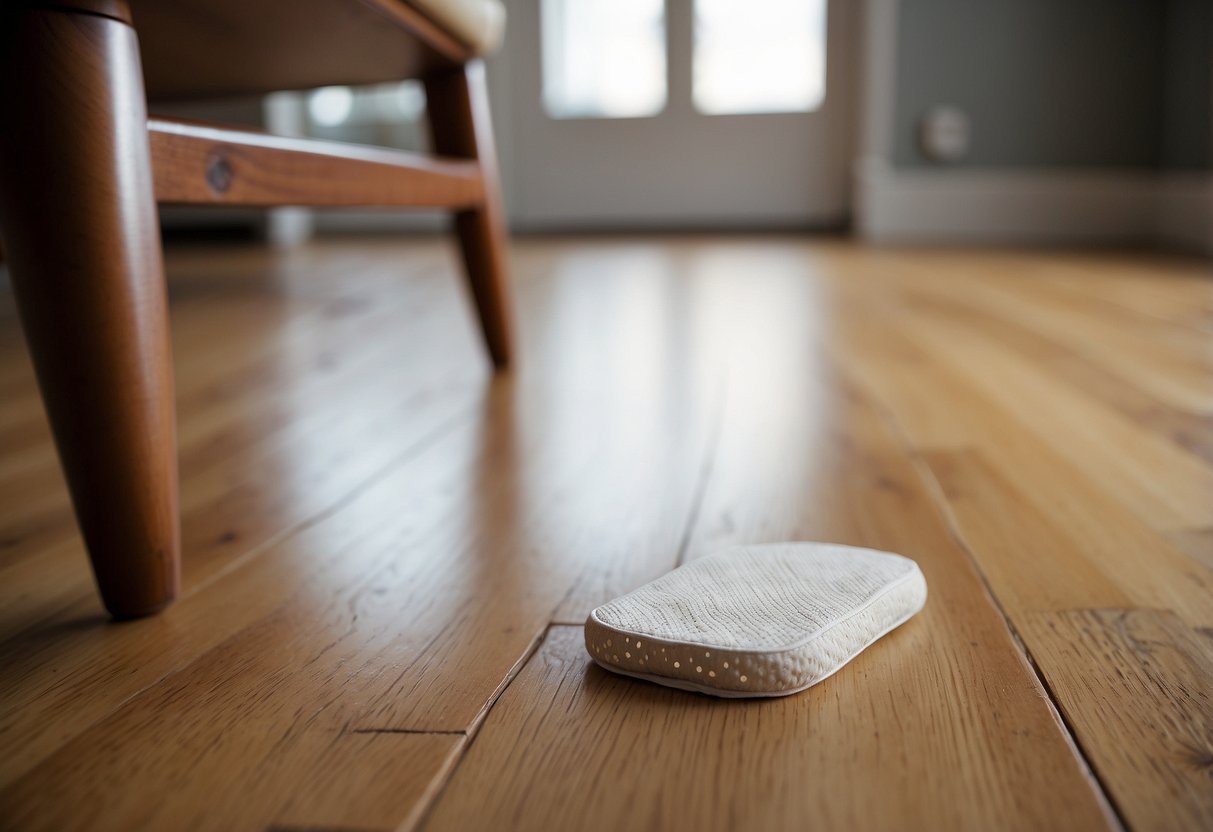
Choosing the right furniture pads is important to ensure that they are effective at protecting your hardwood floors. Look for pads that are made from high-quality materials that won’t scratch or damage your floors. Felt pads are a popular choice, as they are soft and gentle on hardwood floors, but there are also rubber and silicone options available.
Once you have chosen the right furniture pads for your needs, it is important to apply them correctly and maintain them over time. Make sure to clean the bottom of your furniture legs before applying the pads, and replace the pads as needed if they become worn or damaged. With the right care, your furniture pads can provide long-lasting protection for your beautiful hardwood floors.

Key Takeaways
- Furniture pads are an easy and inexpensive way to protect your hardwood floors from damage.
- Choosing high-quality pads made from materials like felt, rubber, or silicone is important for effective protection.
- Proper application and maintenance of your furniture pads can ensure long-lasting protection for your hardwood floors.
Choosing the Right Furniture Pads
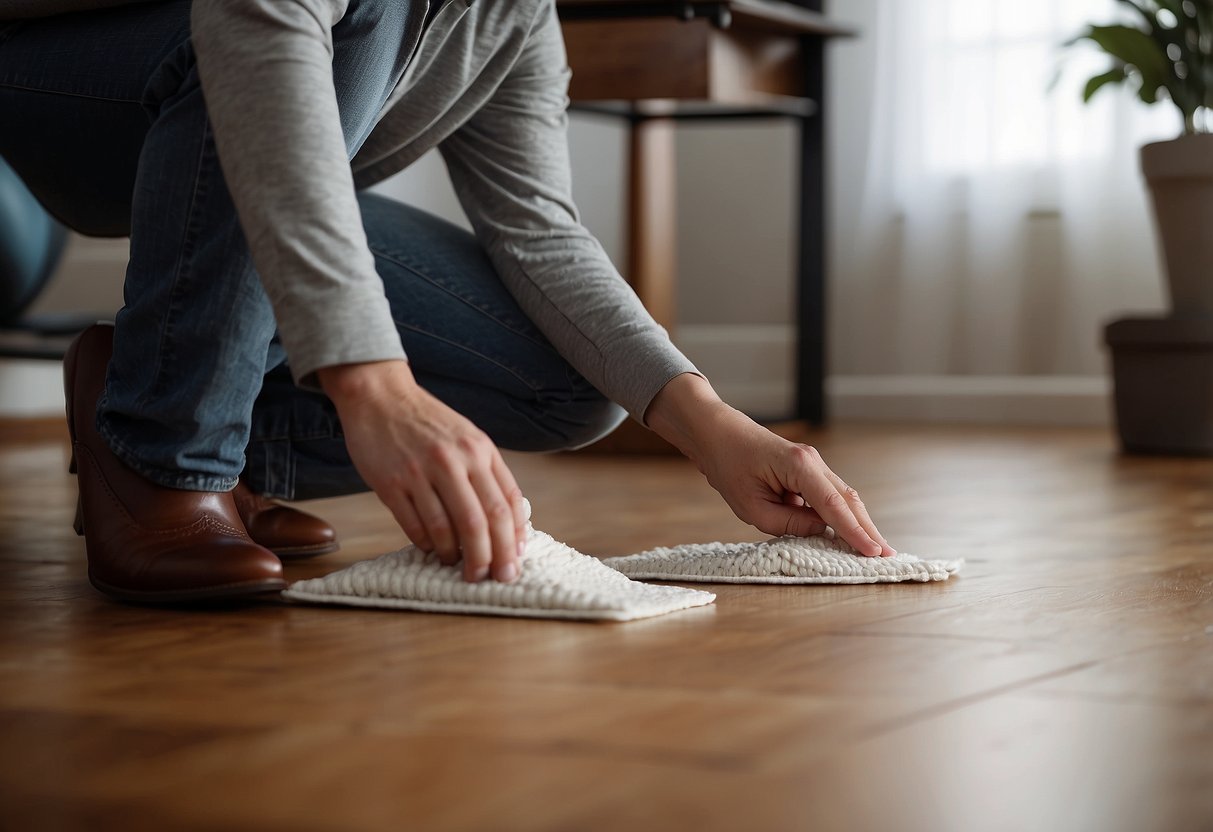
When it comes to choosing the right furniture pads to protect your hardwood floors, there are a few things to consider. Here are some key factors to keep in mind:

Material Considerations
The material of the furniture pad is an important consideration. Felt pads are soft and provide excellent protection against scratches and dents. Rubber pads are durable and provide excellent traction to prevent furniture from sliding on hardwood floors. Non-slip furniture pads are also a good option, as they provide extra grip and prevent furniture from slipping or moving around. Self-adhesive pads are easy to install and can be cut to size to fit any furniture piece.
Size and Shape Varieties
Furniture pads come in a variety of sizes and shapes, so it’s important to choose the right size for your furniture. Make sure to measure the bottom of your furniture legs before purchasing pads. Furniture sliders, chair glides, and furniture cups are also available in different sizes and shapes to fit different furniture types.
Colour Options and Aesthetics
While the main purpose of furniture pads is to protect your floors, they can also add a decorative touch to your furniture. Furniture socks and silicone covers come in a range of colours and patterns to match your decor. Furniture leg caps are available in different finishes, such as chrome or brass, to add a stylish touch to your furniture.
Overall, choosing the right furniture pads for your hardwood floors is an important decision. Consider the material, size and shape varieties, and colour options to find the best fit for your furniture and decor. With the right furniture pads, you can protect your floors and keep your furniture looking great for years to come.
Application and Maintenance
Installation of Pads
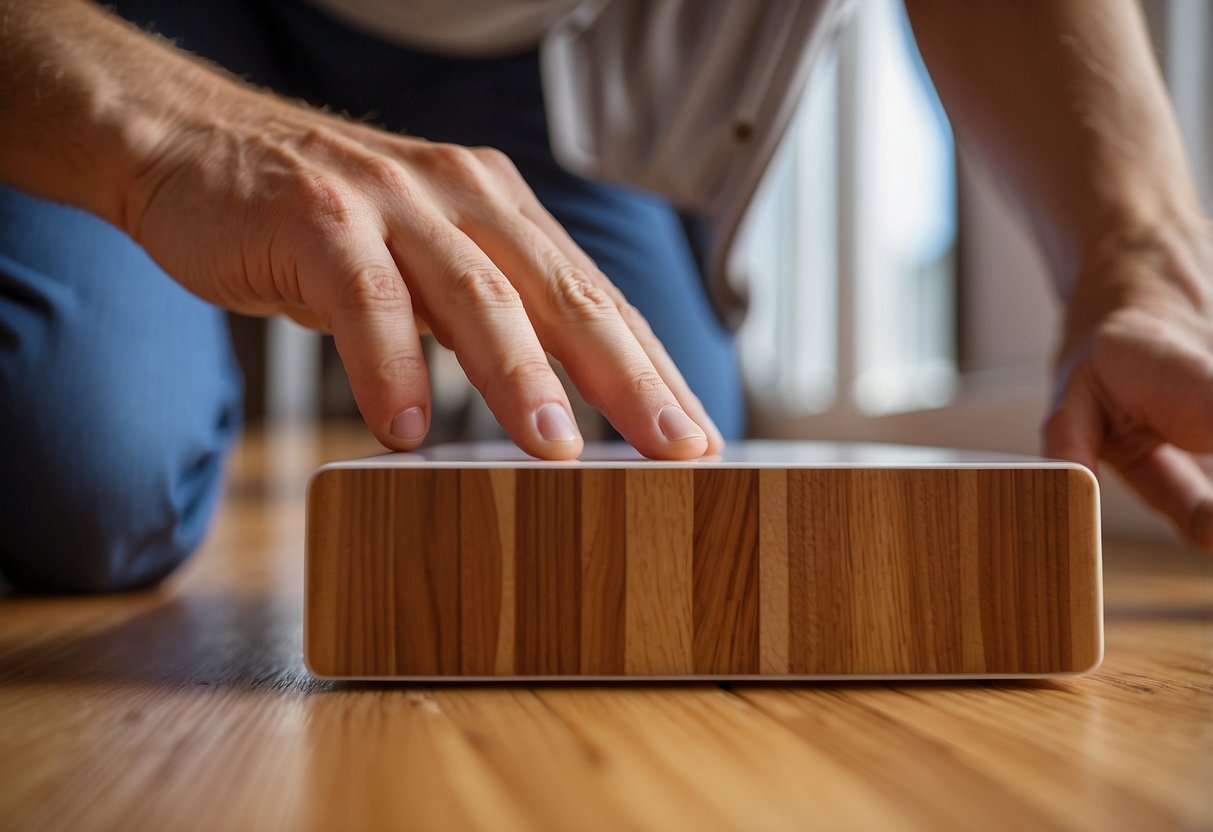
When installing furniture pads to protect your hardwood floors, it is important to ensure that the surface is clean and dry before application. Self-adhesive furniture pads are a popular option as they are easy to install. Simply peel off the backing paper and stick the pad onto the furniture leg or base. Slip-on pads are another option and are easy to apply by sliding them onto the furniture leg or base.
When choosing the size of the pad, it is important to select one that is appropriate for the size of the furniture leg or base. The pad should cover the entire surface area to provide maximum protection against scratches and damage. Heavy-duty adhesive pads are recommended for heavy furniture to ensure that they stay in place and do not slip off.
Cleaning and Upkeep
To maintain the effectiveness of your furniture pads, it is important to keep them clean. Regular cleaning will prevent the buildup of dirt and debris that can scratch your hardwood floors. To clean the pads, simply wipe them down with a damp cloth or sponge. Avoid using harsh chemicals or abrasive cleaners as these can damage the pads and reduce their effectiveness.
It is also important to regularly check the pads for wear and tear. If the pads become worn or damaged, they should be replaced immediately to ensure that your floors are protected from scratches and scuffs.
Replacing Worn Pads
Over time, furniture pads can become worn and lose their effectiveness. When this happens, it is important to replace them to ensure that your hardwood floors are protected from scratching and damage. When replacing the pads, it is important to select ones that are appropriate for the size and weight of your furniture. Heavy-duty adhesive pads are recommended for heavy furniture to ensure that they stay in place and do not slip off.
In conclusion, furniture pads are an essential tool for protecting your hardwood floors from scratches and damage. By following these simple tips for installation, cleaning, and upkeep, you can ensure that your pads remain effective and provide long-lasting furniture protection.
Frequently Asked Questions
What are the best types of pads to put under furniture to shield wooden floors?
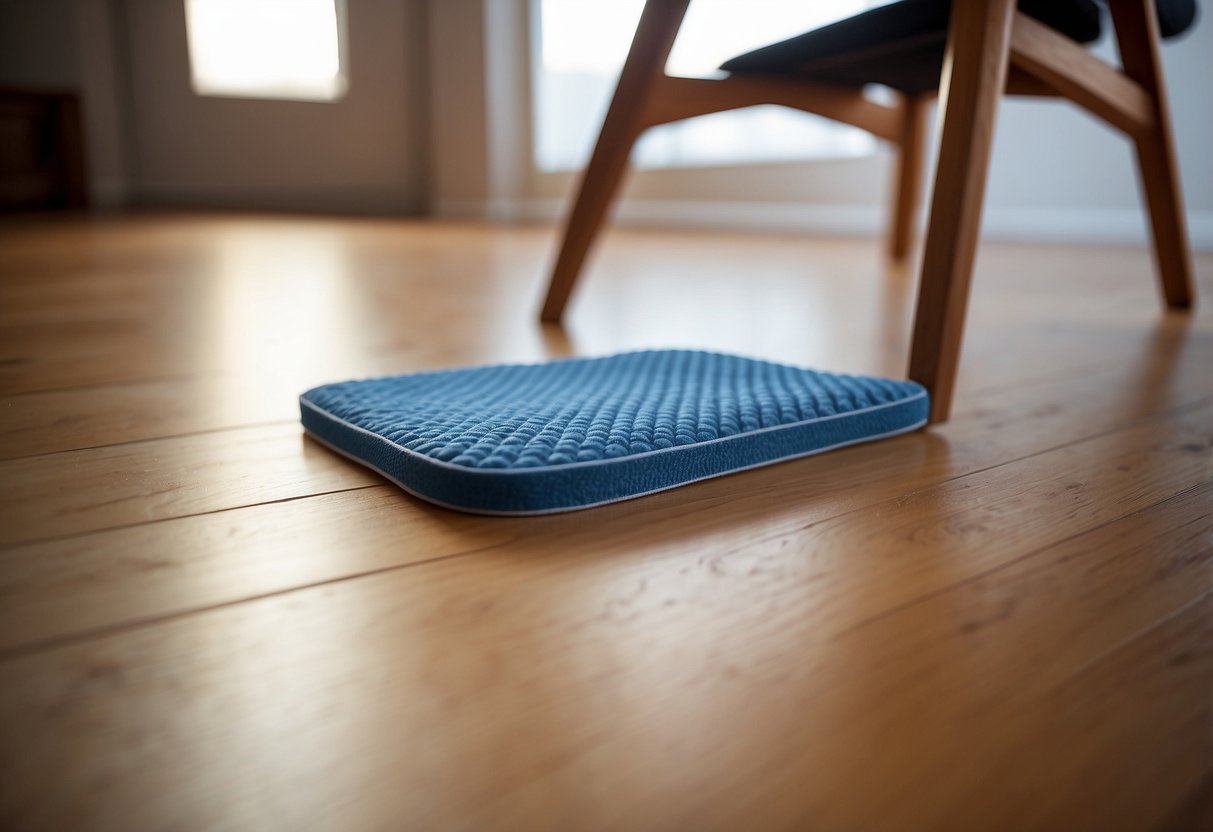
There are various types of furniture pads available in the market that can help protect your hardwood floors from scratches and damage caused by furniture movement. The most common types of pads include felt, rubber, and silicone. Felt pads are soft and cushioned, making them gentle on floors, while rubber pads are durable and long-lasting. Silicone pads are also a good option as they are non-slip and provide a strong grip. Ultimately, the best type of pad for your furniture will depend on the type of furniture and the type of flooring you have.
How can I safeguard my hardwood floors from scratches caused by furniture?
The best way to prevent scratches on your hardwood floors is to use furniture pads. These pads act as a barrier between the furniture and the floor, reducing the friction caused by movement. Felt pads are the most commonly used pads for hardwood floors as they are soft and gentle on the floor. You can also use rubber or silicone pads for added protection.
What size should I choose when selecting furniture pads for large items?
When selecting furniture pads, it is important to choose the correct size for your furniture. For large items such as sofas or beds, choose pads that are large enough to cover the entire surface area of the furniture legs. This will help distribute the weight of the furniture evenly and prevent damage to your hardwood floors.
Are felt pads effective in preventing damage to hardwood floors from furniture?
Yes, felt pads are an effective solution to prevent damage to your hardwood floors from furniture. They are soft and cushioned, making them gentle on floors, and they also reduce the friction caused by furniture movement. Felt pads are also easy to install and are available in a variety of sizes and shapes to fit different types of furniture.
Can silicone chair leg protectors be a reliable option for hardwood floor protection?
Yes, silicone chair leg protectors can be a reliable option for hardwood floor protection. They are non-slip and provide a strong grip, which helps prevent furniture from sliding and scratching your floors. Silicone chair leg protectors are also easy to install and are available in a variety of sizes to fit different types of furniture.
Do rug pads provide adequate protection for hardwood floors beneath heavy furniture?
While rug pads can provide some protection for hardwood floors beneath heavy furniture, they are not the best option. Rug pads are designed to prevent rugs from slipping and sliding, and they do not offer enough cushioning to protect your floors from the weight of heavy furniture. It is best to use furniture pads specifically designed for hardwood floors to provide adequate protection.