

Furniture Joints Fittings: A Guide to Choosing the Right Ones
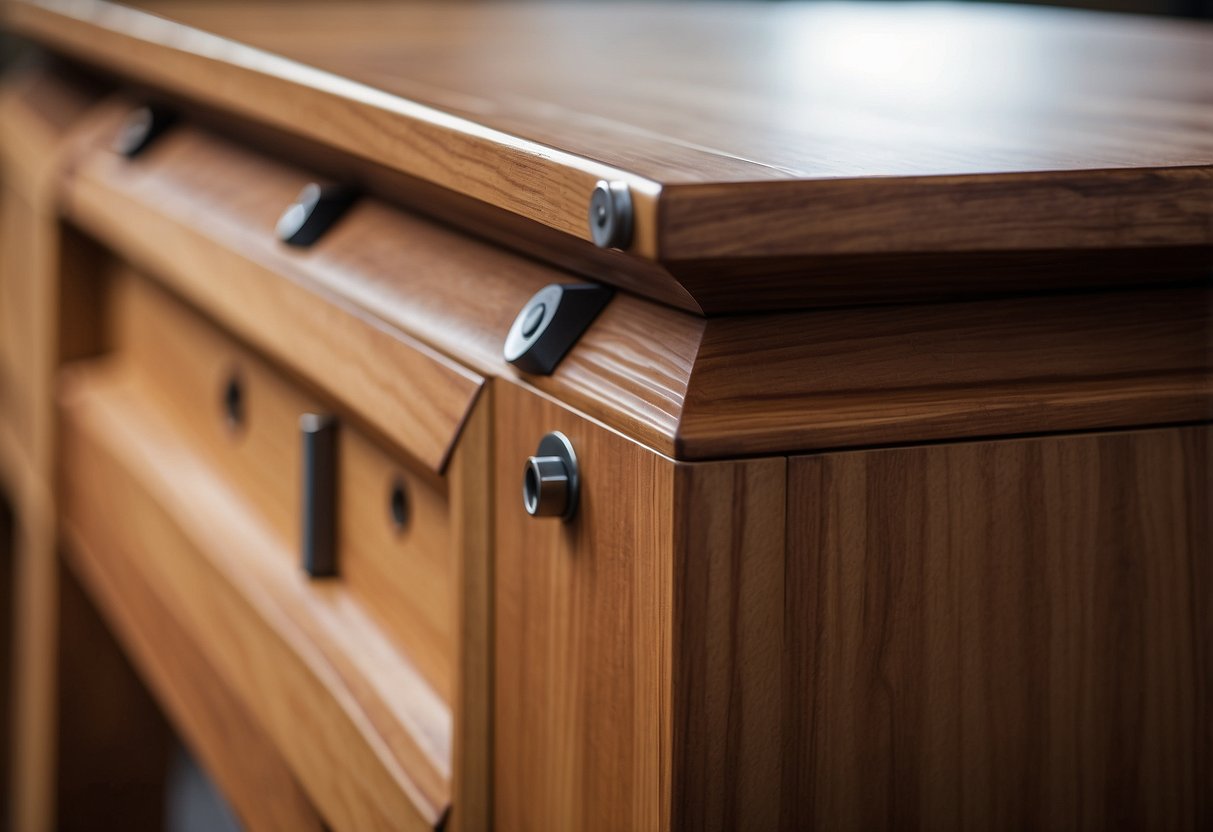
When it comes to furniture assembly, choosing the right joints and fittings is an essential part of the process. Furniture joints and fittings are the pieces that connect parts of furniture together, ensuring that they are sturdy and durable. Without the right joints and fittings, furniture can easily fall apart or become unstable over time.
Types of Furniture Joints and Fittings
There are many different types of furniture joints and fittings available, each with its own unique properties and uses. Some of the most common types include mortise and tenon joints, dowel joints, and biscuit joints. Each type of joint has its own strengths and weaknesses, so it is important to choose the right one for your project.

Choosing the Right Fittings for Your Project

When choosing furniture joints and fittings, there are several factors to consider. These include the type of wood you are using, the size and weight of the furniture, and the overall design of the piece. By taking these factors into account, you can ensure that you choose the right joints and fittings for your project, ensuring that your furniture is sturdy and long-lasting.
Key Takeaways
- Choosing the right furniture joints and fittings is essential for ensuring that your furniture is sturdy and durable.
- There are many different types of joints and fittings available, each with its own unique properties and uses.
- When choosing joints and fittings, it is important to consider factors such as the type of wood you are using, the size and weight of the furniture, and the overall design of the piece.
Types of Furniture Joints and Fittings
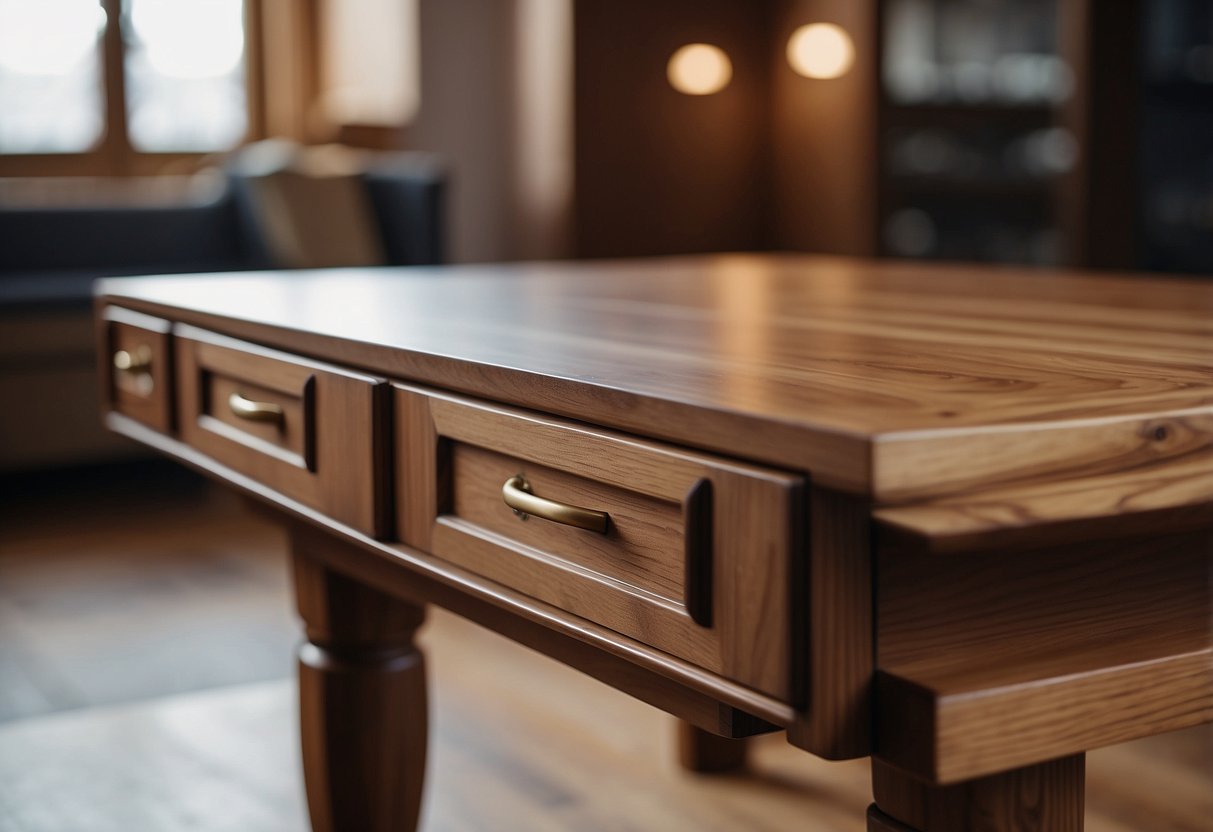
When it comes to furniture joints and fittings, there are various options available. In this section, we will discuss the three main types of furniture joints and fittings: traditional joinery techniques, modern connector systems, and specialised furniture connectors.
Traditional Joinery Techniques
Traditional joinery techniques are the oldest and most reliable methods of joining pieces of wood together. These techniques include mortise and tenon joints, dovetail joints, and tongue and groove joints. Mortise and tenon joints are used to join two pieces of wood at a right angle. Dovetail joints are used to join two pieces of wood at an angle, and tongue and groove joints are used to join two pieces of wood along their edges. These techniques require skill and precision to create, but they result in strong and durable joints.
Modern Connector Systems
Modern connector systems are designed to make furniture assembly quick and easy. These systems include snap fittings, barrel nuts, and patent furniture fasteners. Snap fittings are used to join two pieces of wood together without the need for screws or nails. Barrel nuts are used to join two pieces of wood together at a right angle, and patent furniture fasteners are used to join two pieces of wood along their edges. These systems are easy to use and require no special skills or tools.
Specialised Furniture Connectors
Specialised furniture connectors are designed for specific furniture assembly tasks. These connectors include Knapp® connectors, Duo System frame connectors, and Zipbolt 90 KD. Knapp® connectors are used to join two pieces of wood together at a right angle, while Duo System frame connectors are used to join two pieces of wood together at an angle. Zipbolt 90 KD is a unique connector that allows you to join two pieces of wood together without the need for nuts or bolts. Other specialised furniture connectors include tuck dowels, invisible connectors, and cross dowels.
In addition to these connectors, there are also other types of furniture fittings that are used to secure joints and add functionality to furniture. These fittings include hinges, spring steel clips, anti-rotation clips, and slotted fittings.
Overall, the type of furniture joint or fitting you choose will depend on the specific task at hand. Whether you are using traditional joinery techniques or modern connector systems, it is important to choose a method that is strong, durable, and easy to use.
Choosing the Right Fittings for Your Project

When it comes to furniture assembly projects, choosing the right fittings is crucial to ensure the durability and strength of your furniture. Here are some considerations to keep in mind when selecting fittings for your project:
Considerations for Material and Size
Before purchasing fittings, it’s important to assess the materials and sizes of the furniture pieces you’ll be working with. Different materials and sizes may require different types of fittings, so it’s important to choose the right ones for your project.
Assessing Durability and Strength Needs
Assessing the durability and strength needs of your furniture is another important factor to consider when choosing fittings. If you’re building furniture for high-traffic areas, you’ll need fittings that can withstand wear and tear. High-strength fittings may also be necessary for furniture that will be supporting a lot of weight.
The Importance of Concealed Fittings
Concealed fittings can add a sleek and modern look to your furniture pieces. They also provide a more secure connection than visible fittings. Consider using concealed fittings for furniture pieces that will be on display, such as kitchen units or shop fittings.
When shopping for furniture fittings, there are a wide range of options available. It’s important to choose fittings that are manufactured with high-quality materials and designed for your specific application. Additionally, having the right tools, such as a screwdriver, can make the installation process much easier.
If you’re unsure about which fittings to choose for your project, consider consulting with furniture professionals or shop fitting systems experts. They can provide guidance on the best fittings to use for your specific project.
Frequently Asked Questions
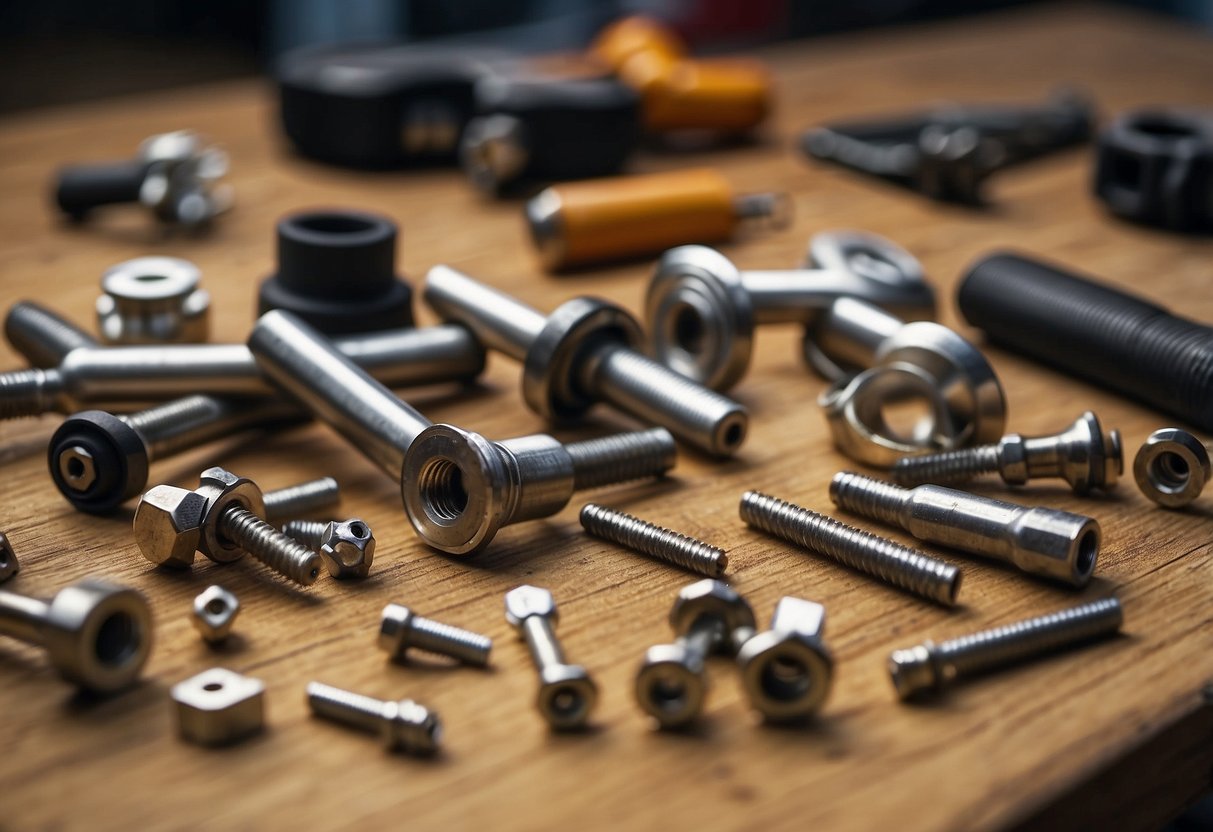
What types of connectors are used for assembling wooden furniture?
There are several types of connectors that are commonly used in wooden furniture, such as hinges, locks, handles, and drawer runners. These fittings come in different shapes, sizes, and materials to suit different furniture designs and functions. Some of the most popular connectors include cam locks, dowels, and screws.
How do you identify different woodworking joint fittings?
Different woodworking joint fittings can be identified by their shape and size. For example, a mortise and tenon joint consists of a rectangular hole (mortise) and a corresponding protrusion (tenon) that fits snugly into the hole. A dovetail joint, on the other hand, has a series of interlocking teeth that fit together to create a strong joint.
What are the most reliable fasteners for wood furniture assembly?
The most reliable fasteners for wood furniture assembly are those that create a strong, secure joint without damaging the wood. Some of the most popular fasteners include screws, bolts, and nails. However, it’s important to choose the right fastener for the job, as some types of fasteners may be better suited to certain types of wood or furniture designs.
Can you explain the various parts that make up a furniture joint?
A furniture joint consists of two or more pieces of wood that are joined together using a connector or fastener. The parts of a furniture joint typically include the tenon (or protrusion), the mortise (or hole), and the connector or fastener itself. Depending on the type of joint, there may also be additional parts, such as pins or wedges, that help to secure the joint.
What should I consider when choosing fittings for my furniture projects?
When choosing fittings for your furniture projects, it’s important to consider factors such as the type of wood you’re working with, the design of the furniture, and the intended use of the finished product. You should also consider the strength and durability of the fittings, as well as their aesthetic appeal and compatibility with other components of the furniture.
How do furniture joint connector bolts work in furniture assembly?
Furniture joint connector bolts are designed to create a strong, secure joint between two pieces of wood. These bolts consist of a threaded rod with a connector at one end and a nut at the other. To use a furniture joint connector bolt, you simply drill a hole through both pieces of wood, insert the bolt, and tighten the nut to create a tight, secure joint.