

Furniture Beetle Bites: What You Need to Know
If you have noticed small holes in your wooden furniture, it could be a sign of a furniture beetle infestation. These tiny insects can cause significant damage to your furniture, and in some cases, they may even bite you. In this article, we will explore the topic of furniture beetle bites and provide you with some tips on how to manage and prevent beetle infestations.

Furniture beetles, also known as woodworms, are small insects that bore into wood to lay their eggs. They can infest all types of wood, including hardwood and softwood, and can be found in furniture, flooring, and structural timbers. While they do not pose a direct threat to humans, they can cause significant damage to wooden structures and furniture.
If you have been bitten by a furniture beetle, you may experience symptoms such as itching, redness, and swelling. However, these bites are relatively rare, and most people will not even notice when they have been bitten. The real danger of furniture beetles lies in the damage they can cause to your furniture and wooden structures.

Understanding Furniture Beetle Infestations
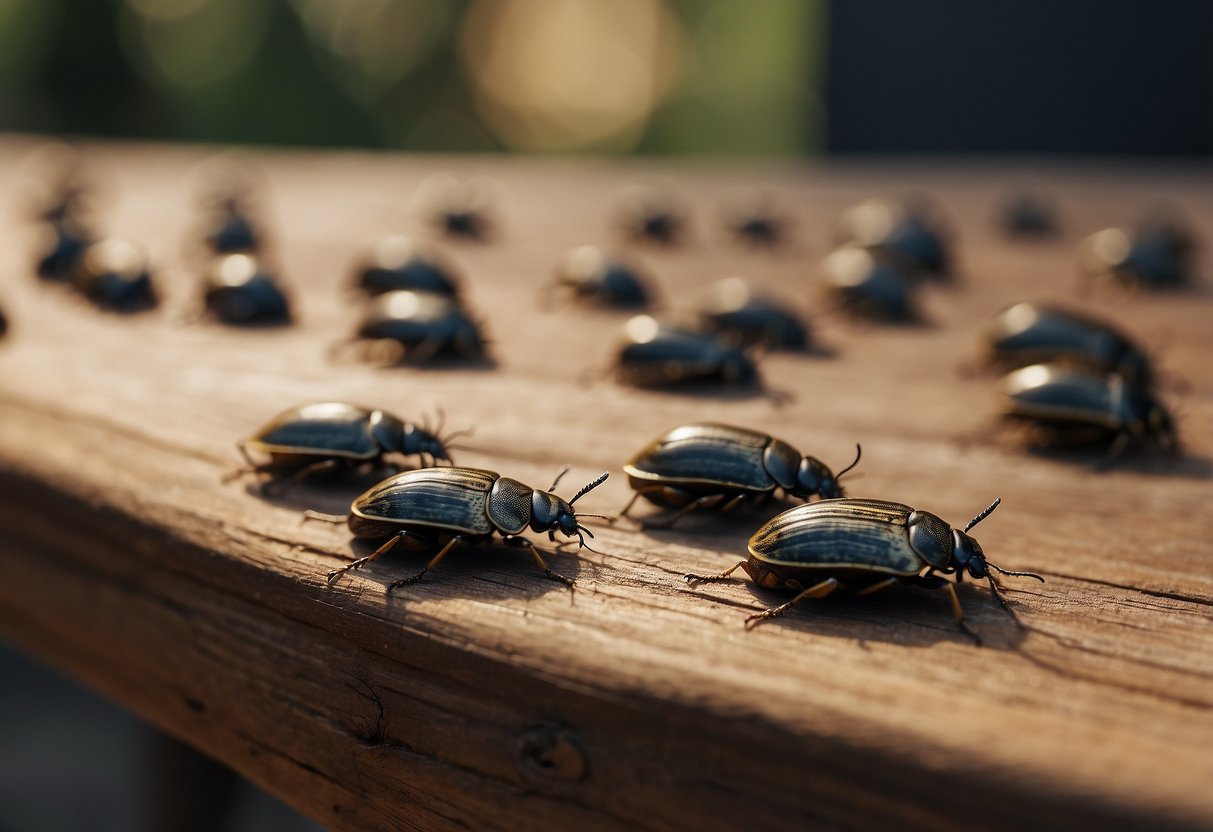
Furniture beetles, also known as woodworms, can cause significant damage to wooden structures and furniture. Understanding their life cycle, identifying their damage, and knowing their habits and habitat can help prevent and control furniture beetle infestations.

Life Cycle of the Common Furniture Beetle
The common furniture beetle’s life cycle starts with the female laying her eggs on or near the wood’s surface. The eggs hatch into larvae, which bore into the wood and feed on it for several years. The larvae then pupate and emerge as adults, leaving exit holes in the wood.
Identifying Furniture Beetle Damage
Furniture beetle damage can vary depending on the species and the type of wood. The common furniture beetle, Anobium punctatum, creates small round holes in the wood’s surface, usually around 2-3mm in diameter. The holes are often accompanied by a powdery substance called frass, which is the larvae’s excrement.
Habits and Habitat
Furniture beetles prefer wood with a higher moisture content, typically around 12-15%. They tend to infest seasoned sapwood, which is the outermost layer of the wood. They can also infest heartwood, but it is less common. Furniture beetles thrive in humid environments, so controlling the humidity levels in your home can help prevent infestations.
To prevent furniture beetle infestations, it’s essential to keep the moisture content of your wood low and maintain proper ventilation in your home. Regular inspections of your wooden structures and furniture can help you identify any damage early and prevent further infestations. If you suspect a furniture beetle infestation, it’s best to contact a professional to assess the extent of the damage and recommend a course of action.
Managing and Preventing Beetle Infestations
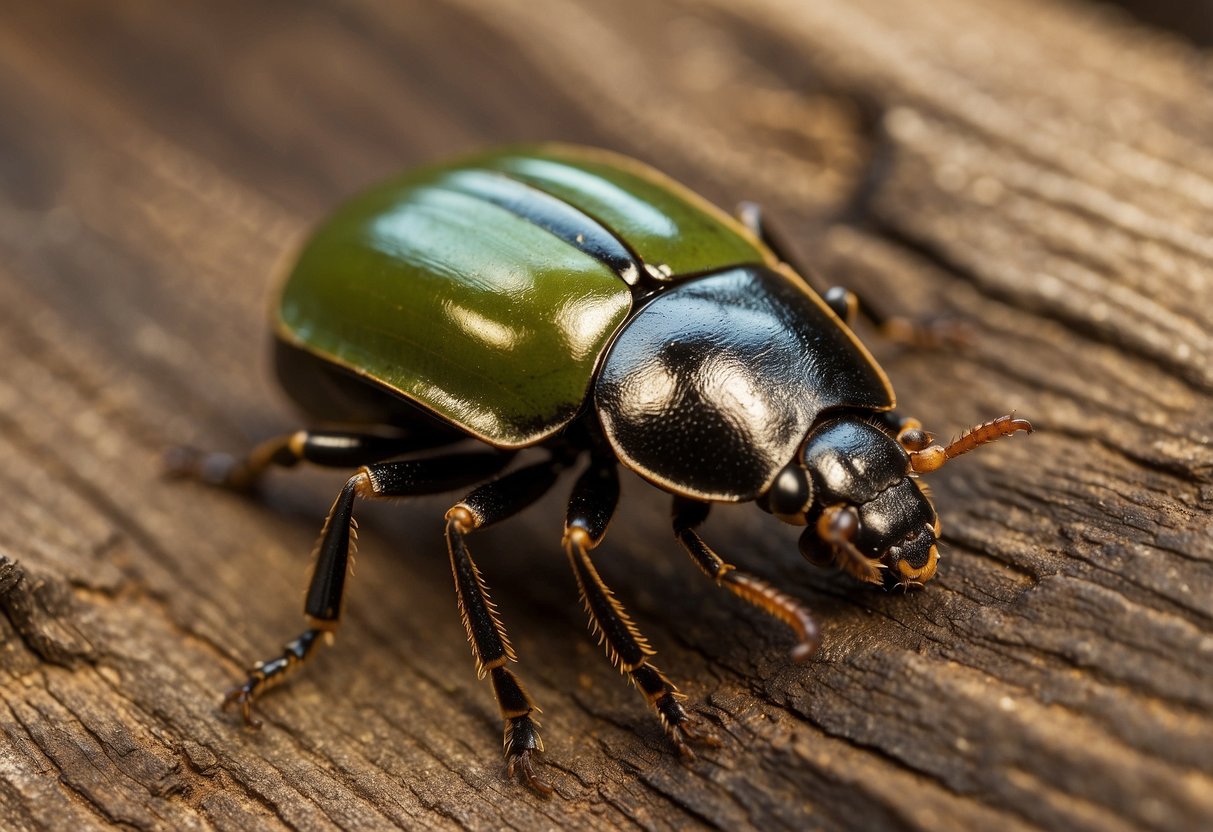
If you have discovered that your furniture has been infested with beetles, it is important to take prompt action to manage the infestation and prevent it from spreading to other items in your home. Here are some treatment options and preventative measures that can help you deal with beetle infestations effectively.
Treatment Options
One effective way to treat beetle infestations is to use insecticides that contain permethrin. These can be applied directly to infested wood to kill the beetles and their larvae. However, it is important to follow the instructions carefully and wear protective clothing when using these chemicals.
Another option is to fumigate the infested wood using professional pest control services. This involves enclosing the wood in a sealed chamber and exposing it to a gas that kills the beetles and their larvae. This method is more effective than using insecticides but can be more expensive.
Preventative Measures
Prevention is key when it comes to managing beetle infestations. Here are some preventative measures that you can take to avoid infestations in the first place:
- Seal the wood: Seal all exposed wood surfaces with varnish, paint or wax to prevent beetles from laying their eggs in the wood.
- Pest-proof cover: Use a pest-proof cover to protect your furniture from beetles and other pests.
- Environmental conditions: Maintain a dry environment to prevent the growth of beetles. Beetles thrive in damp and humid conditions.
- Structural repairs: Make prompt structural repairs to your home to limit beetles’ ability to get inside.
When to Seek Professional Help
If you have a large infestation or if the infested wood is structural timber, it is recommended to seek professional help from a pest control company. They can provide professional fumigation services that are more effective than DIY treatments.
In summary, managing and preventing beetle infestations requires a combination of treatment options and preventative measures. By taking prompt action and following these tips, you can effectively manage beetle infestations and prevent them from spreading to other items in your home.
Frequently Asked Questions
How can one treat bites from common household beetles?
If you have been bitten by a furniture beetle, wash the affected area with soap and water. You can also apply an antiseptic cream to prevent infection. If you experience any allergic reactions, seek medical attention immediately.
Are humans at risk of being bitten by beetles found in furniture?
No, furniture beetles do not bite humans. They feed on wood and other organic materials, not on living creatures.
Where can I find images to help identify beetle bites?
You can find images of furniture beetle bites online, but it is important to note that these bites are rare. If you have any concerns about bites on your body, it is best to consult a medical professional.
Can woodworms actually bite people?
No, woodworms do not bite people. They are a type of furniture beetle that feeds on wood and can cause damage to furniture and structures.
What are the best methods for eradicating beetles in furniture?
To eradicate furniture beetles, it is important to first identify the infested items. Once identified, the infested items should be isolated and treated with an appropriate insecticide. You may also want to consider hiring a professional pest control company to help with eradication.
How can one distinguish between different types of insect bites?
Different types of insect bites can have different appearances and symptoms. If you are unsure about the type of bite you have, consult a medical professional for proper diagnosis and treatment.