

French Renaissance Furniture History: A Brief Overview
If you’re interested in furniture design, you’ve likely heard of French Renaissance furniture. This style emerged in France during the 15th and 16th centuries, and it’s known for its ornate decorations and intricate details. If you’re curious about the history of this style, its influences, and how it evolved over time, keep reading.

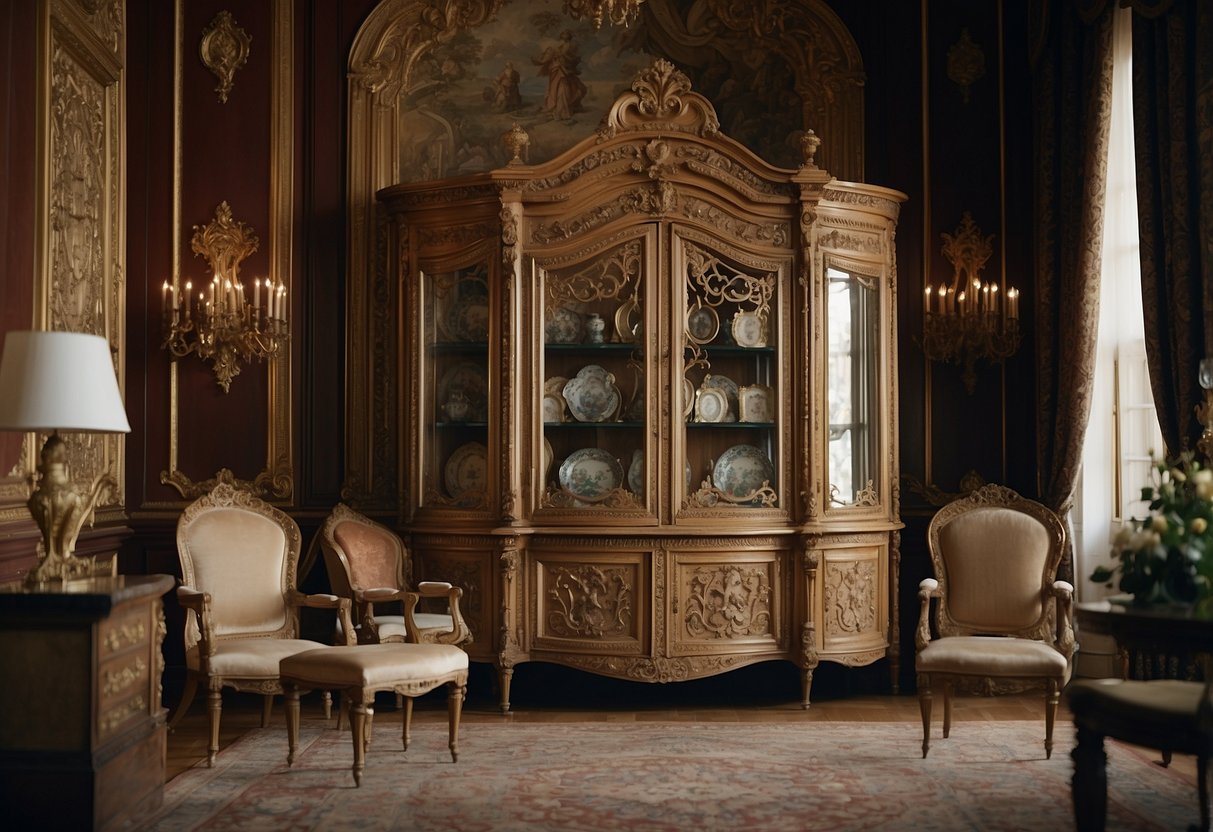
To understand French Renaissance furniture, it’s essential to consider the historical context and influences that shaped it. During this period, France was undergoing significant political and social changes, and these changes influenced art and architecture. Italian Renaissance art and architecture were also making their way into France, and French artists and designers began incorporating Italian styles into their work.
French Renaissance furniture is characterized by its intricate carvings, ornate decorations, and attention to detail. The furniture of this period was often made from dark woods like oak and walnut, and it featured elaborate designs inspired by classical Roman and Greek art. Over time, French Renaissance furniture evolved, and new styles emerged, including the Baroque and Rococo styles.
Historical Context and Influences
The Influence of the Italian Renaissance
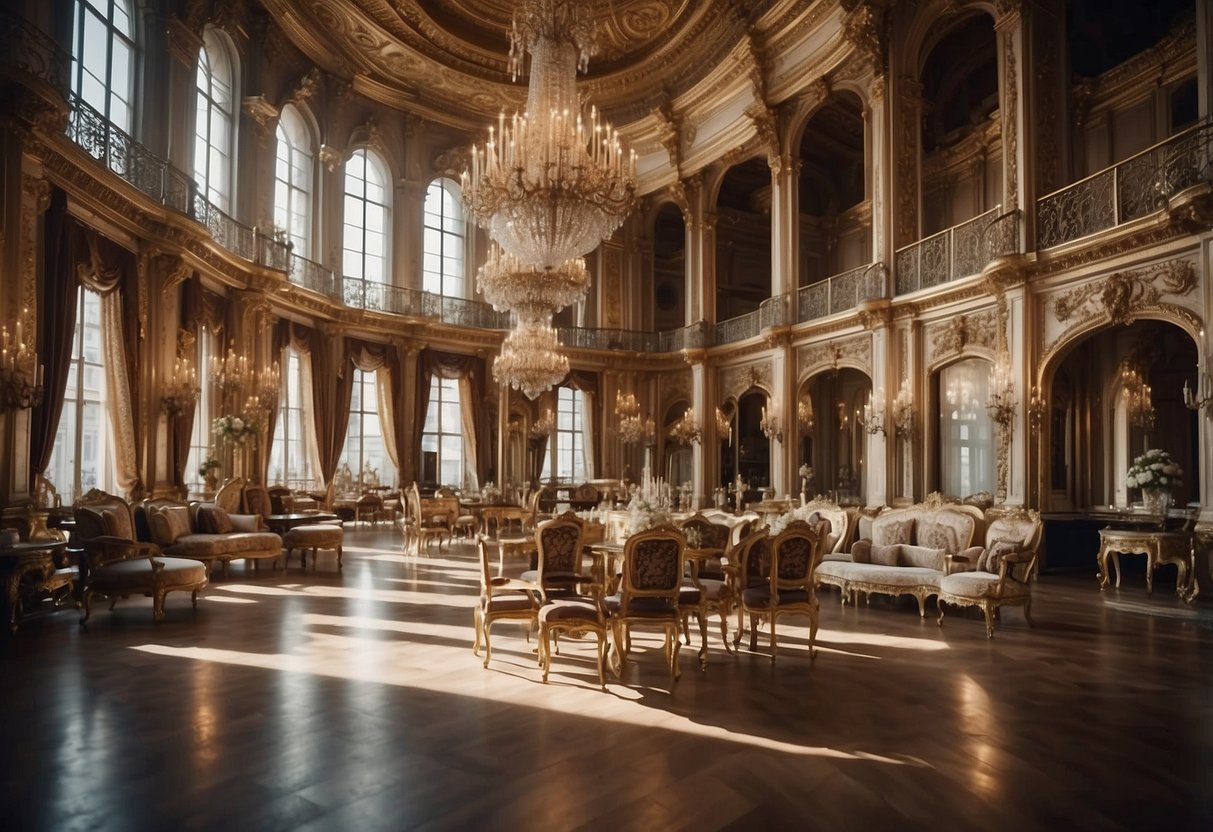
The Italian Renaissance had a significant impact on French Renaissance furniture. The French were inspired by the Italian Renaissance’s focus on classical forms and motifs. They adopted the use of columns, pediments, and other architectural elements in their furniture design. The French also incorporated the Italian Renaissance’s use of decorative motifs such as arabesque into their furniture design.

Francis I and the Patronage of the Arts
Francis I, who ruled France from 1515 to 1547, was a great patron of the arts. He brought many Italian artists and craftsmen to France to work on his various building projects. These artists and craftsmen brought with them the Italian Renaissance style, which had a significant impact on French furniture design. Francis I himself was a great collector of art and furniture, and he commissioned many pieces of furniture in the Italian Renaissance style.
The Transition from Gothic to Renaissance
French furniture was historically infused with the Gothic or Romanesque spirit. However, during the Renaissance, French furniture began to show more Renaissance influences. This transition from Gothic to Renaissance was gradual, and it is difficult to pinpoint exactly when it occurred. However, by the mid-16th century, French furniture had fully embraced the Renaissance style.
During the Rococo period, which began in the early 18th century, French furniture design became even more ornate and elaborate. The Rococo style was characterized by its use of flowing, curving lines and elaborate decoration. The French Rococo style was influenced by both the Italian Baroque and the French Regency styles.
Overall, French Renaissance furniture was heavily influenced by the Italian Renaissance. The French adopted many of the Italian Renaissance’s forms and motifs, and incorporated them into their own furniture design. Francis I’s patronage of the arts also had a significant impact on French furniture design. The transition from Gothic to Renaissance was gradual, but by the mid-16th century, French furniture had fully embraced the Renaissance style.
Characteristics and Evolution of French Renaissance Furniture
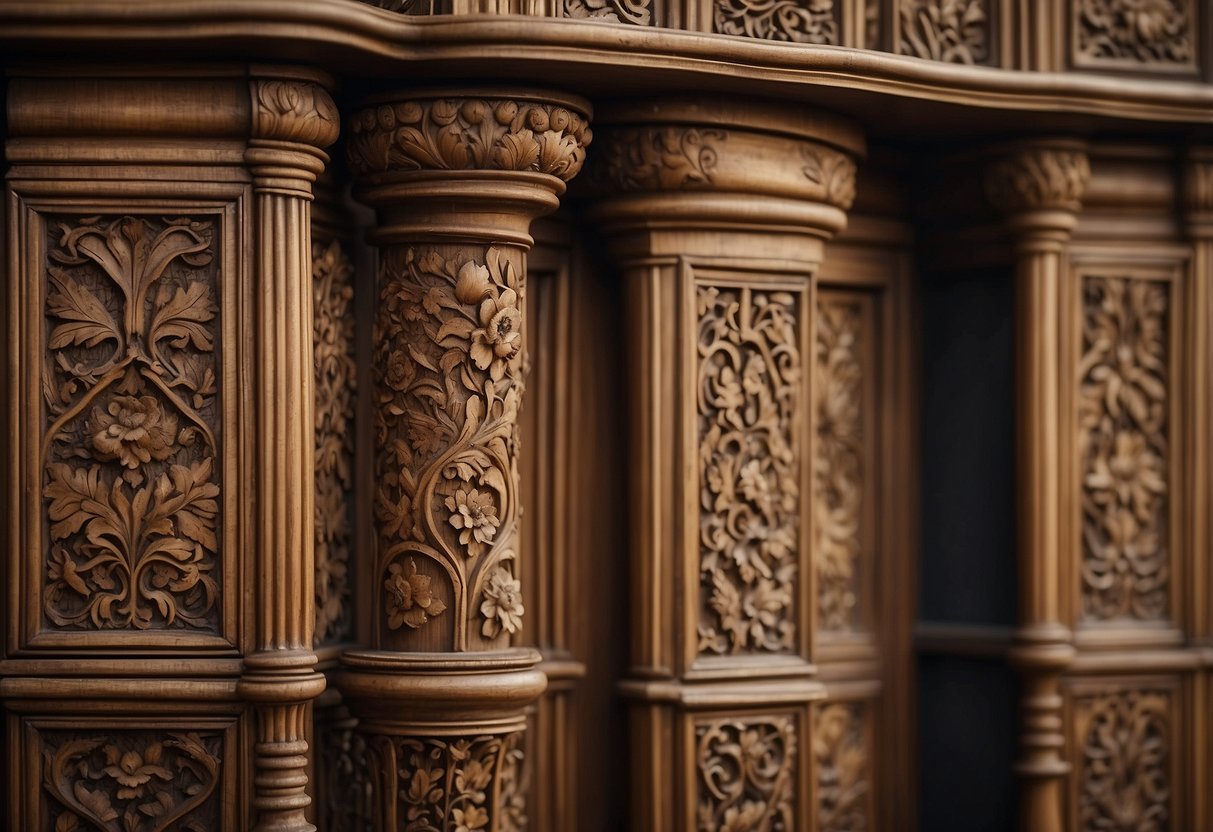
French Renaissance furniture is a style that originated in France in the mid-1400s and lasted until the early 1600s. It was heavily influenced by Italian Renaissance art and architecture, which was characterized by a return to classical forms and motifs. The French Renaissance furniture style is known for its intricate woodcarving, tapestry weaving, and small-scale furniture pieces.
Materials and Techniques
Walnut, oak, ebony, and marquetry were commonly used materials in French Renaissance furniture. The furniture was often decorated with gilded ornamentation, relief sculpture, and painting. The use of upholstery was also common, with leather, silk, and velvet being the most popular materials.
Iconic Furniture Pieces and Their Features
French Renaissance furniture is known for its intricate decoration and use of motifs such as columns, legs, stretchers, fluted details, caryatids, acanthus leaves, cabriole legs, baluster shapes, and cord ornamentation. Some of the most iconic pieces of French Renaissance furniture include cabinets, chairs, tables, and chests.

One notable feature of French Renaissance chairs is their curved backrests and legs, which were often decorated with intricate carvings. French Renaissance cabinets were often adorned with twisted columns and curved pediments. Tables were typically rectangular or oval in shape, with carved legs and stretchers.
Notable Designers and Craftsmen
French Renaissance furniture was crafted by skilled artisans known as ébénistes. These craftsmen were known for their attention to detail and intricate woodcarving skills. One of the most famous ébénistes of the French Renaissance period was André-Charles Boulle, who was known for his marquetry work.
Another notable figure in French Renaissance furniture design was the sculptor Jean Goujon, who was known for his work on the Louvre Palace. Goujon’s work was characterized by its use of classical motifs and sculptural relief.
Overall, French Renaissance furniture is a style that is characterized by its intricate decoration, use of classical motifs, and skilled craftsmanship. Its influence can still be seen in furniture design today, making it a timeless and enduring style.
Frequently Asked Questions
What are the defining characteristics of French Renaissance furniture?
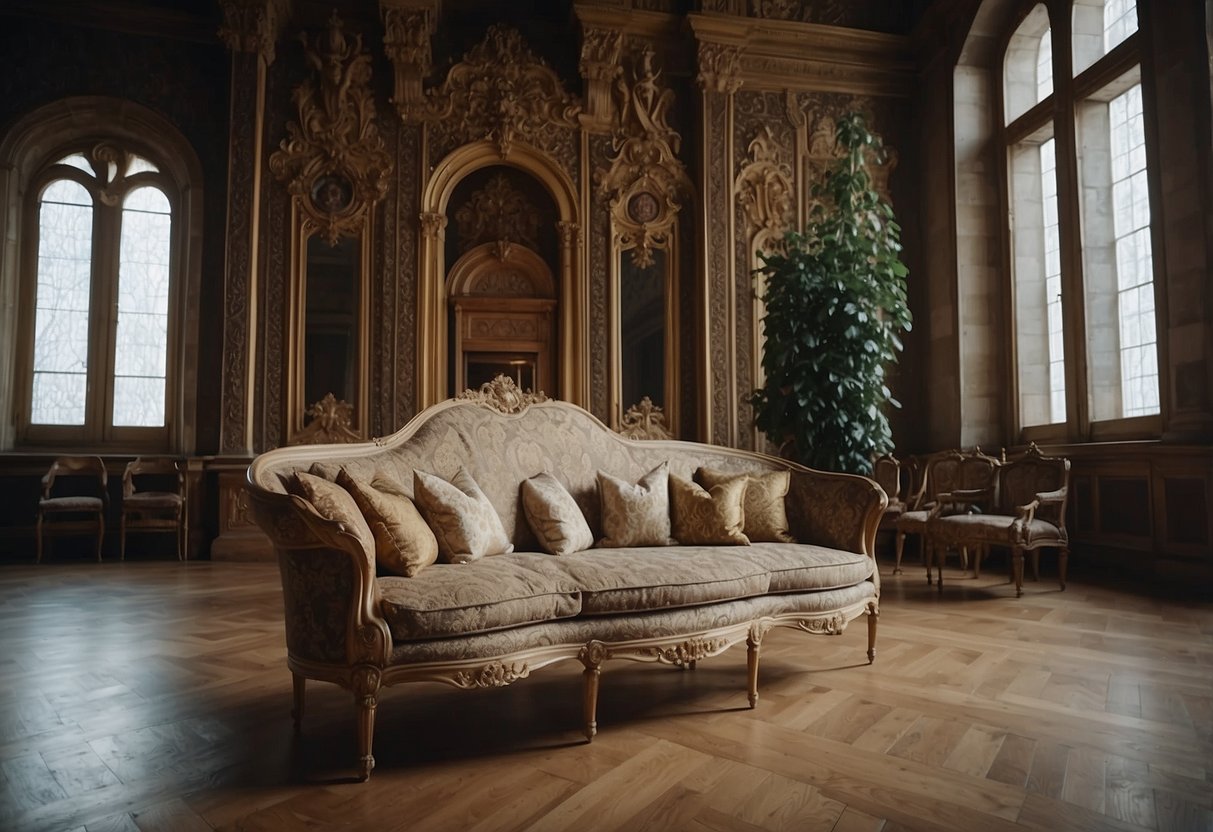
French Renaissance furniture is characterized by ornate designs, intricate carvings, and rich materials. Furniture pieces were often large and imposing, with exaggerated proportions and elaborate details. Common motifs included grotesque masks, caryatids, and other mythological creatures.
How did French Renaissance furniture evolve over time?
French Renaissance furniture began with a strong Gothic influence, but gradually became more refined and elegant. The early period of French Renaissance furniture often showed Gothic traces, but as the style developed, it incorporated more classical elements. By the end of the 16th century, French Renaissance furniture had become much more elaborate and ornate.
What distinguishes French Renaissance furniture from Italian Renaissance pieces?
While both French and Italian Renaissance furniture share many similarities, there are some key differences. French Renaissance furniture tends to be more ornate and decorative, with a focus on intricate carvings and rich materials. Italian Renaissance furniture, on the other hand, is often more restrained and classical in style, with a focus on symmetry and proportion.
Can you outline a brief timeline of French Renaissance furniture history?
French Renaissance furniture began in the early 16th century, with a strong Gothic influence. By the mid-16th century, the style had become more refined and incorporated more classical elements. The late 16th century saw the peak of French Renaissance furniture, with elaborate and ornate designs. The style continued to evolve in the 17th and 18th centuries, eventually giving way to the more classical styles of the Louis XV and Louis XVI periods.
What are some classic styles of French furniture from the Renaissance period?
Some classic styles of French Renaissance furniture include the Henri II style, which features ornate carvings and dark wood finishes, and the Regence style, which is more light and graceful in design. The Louis XIII style is also notable for its use of symmetrical curves and angles.
How has 19th-century French furniture been influenced by Renaissance styles?
19th-century French furniture was heavily influenced by Renaissance styles, particularly in the use of ornate carvings and rich materials. The revival of Renaissance styles during the 19th century led to a renewed interest in French Renaissance furniture, and many pieces from this period feature Renaissance-inspired designs.