

Feng Shui Furniture Placement Rules: Tips for a Harmonious Home
If you’re looking to create a more harmonious and balanced living space, incorporating feng shui furniture placement rules can help you achieve that goal. Feng shui is a philosophy that originated in China and is based on the idea of creating balance and harmony in your environment. One way to achieve this is through the strategic placement of furniture in your home.

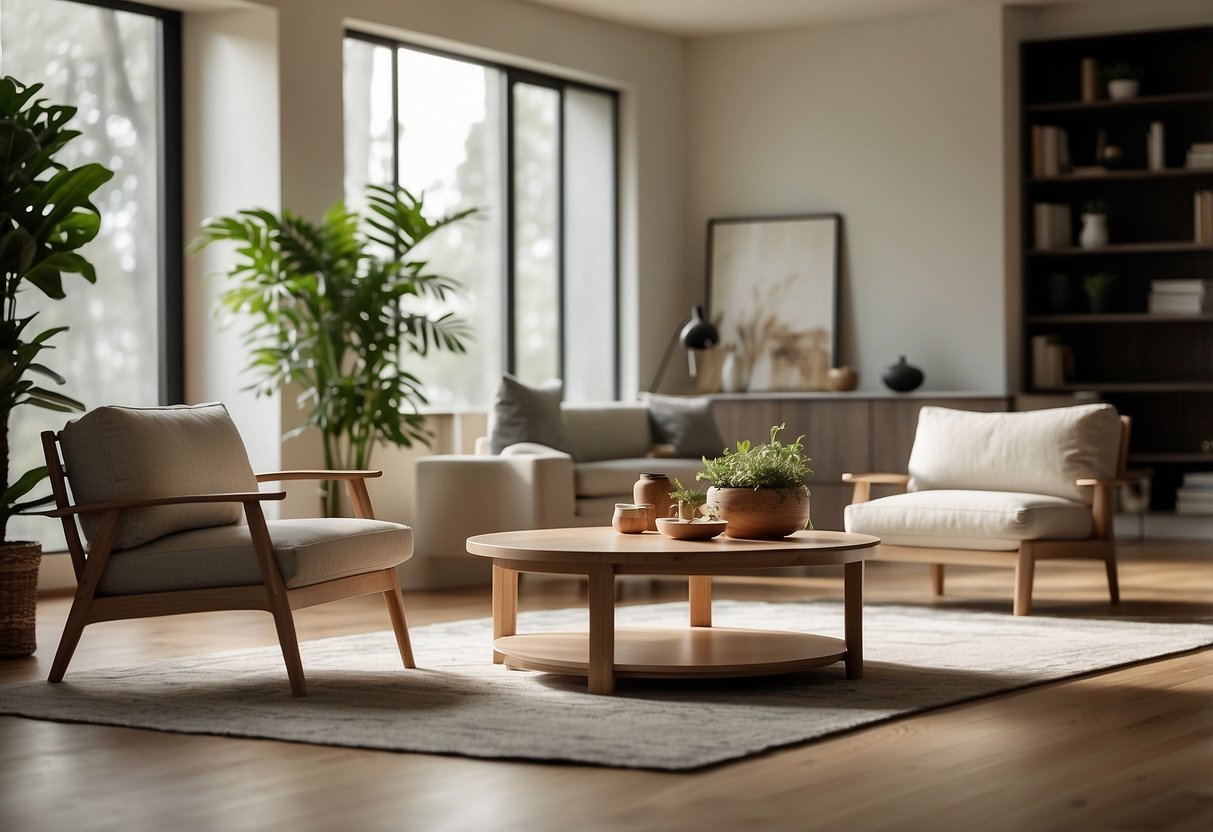
The fundamentals of feng shui furniture placement involve creating a flow of energy, or chi, throughout your space. This can be achieved by arranging your furniture in a way that allows for easy movement and avoids clutter. By doing so, you can create a more peaceful and calming environment that promotes relaxation and wellbeing.
Room-specific feng shui strategies can also be employed to enhance the energy flow in each area of your home. For example, in the bedroom, it is recommended to place the bed in a position that allows you to see the door while you’re lying down. This creates a sense of safety and security, which can promote better sleep and relaxation. In the living room, it is recommended to arrange seating in a way that encourages conversation and connection between people.
Fundamentals of Feng Shui Furniture Placement
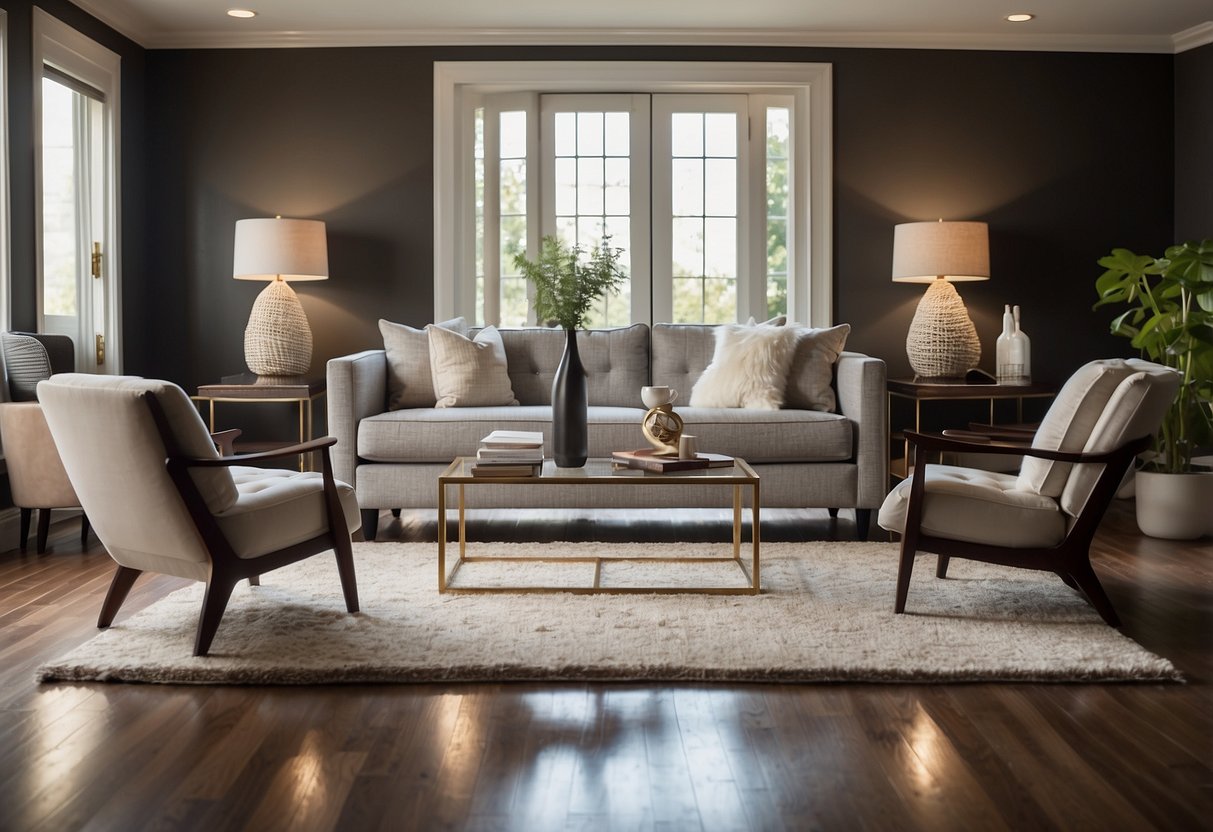
When it comes to furniture placement in Feng Shui, there are a few fundamentals that you need to keep in mind to create a harmonious and balanced space. Understanding the flow of Chi or energy is essential to ensure that your furniture arrangement promotes positive energy and reduces negative energy.

Understanding Chi and Energy Flow
Chi is the life force that flows through everything, including your home. By arranging your furniture in a way that promotes the flow of Chi, you can create a space that feels peaceful and balanced. When Chi flows freely, it can bring good health, wealth, and happiness into your life.
The Commanding Position
The commanding position is a crucial aspect of Feng Shui furniture placement. This is the spot in the room that offers the widest view, usually diagonally across from the door. The main seating piece, like the sofa, should be placed in this position. This allows you to see anyone entering the room, promoting a sense of security and control.
The Five Elements in Furniture Arrangement
Feng Shui also considers the five elements – wood, fire, earth, metal, and water – in furniture arrangement. Each element has its own characteristics and can be used to create balance and harmony in your space. For example, wood represents growth and vitality, while metal represents strength and clarity.
To incorporate the five elements into your furniture arrangement, you can use different colours, textures, and materials. For example, a wooden coffee table paired with a metal lamp can create a balanced and harmonious look.
By following these fundamentals of Feng Shui furniture placement, you can create a space that promotes positive energy and brings balance and harmony into your life.
Room-Specific Feng Shui Strategies
Harmonising the Living Room
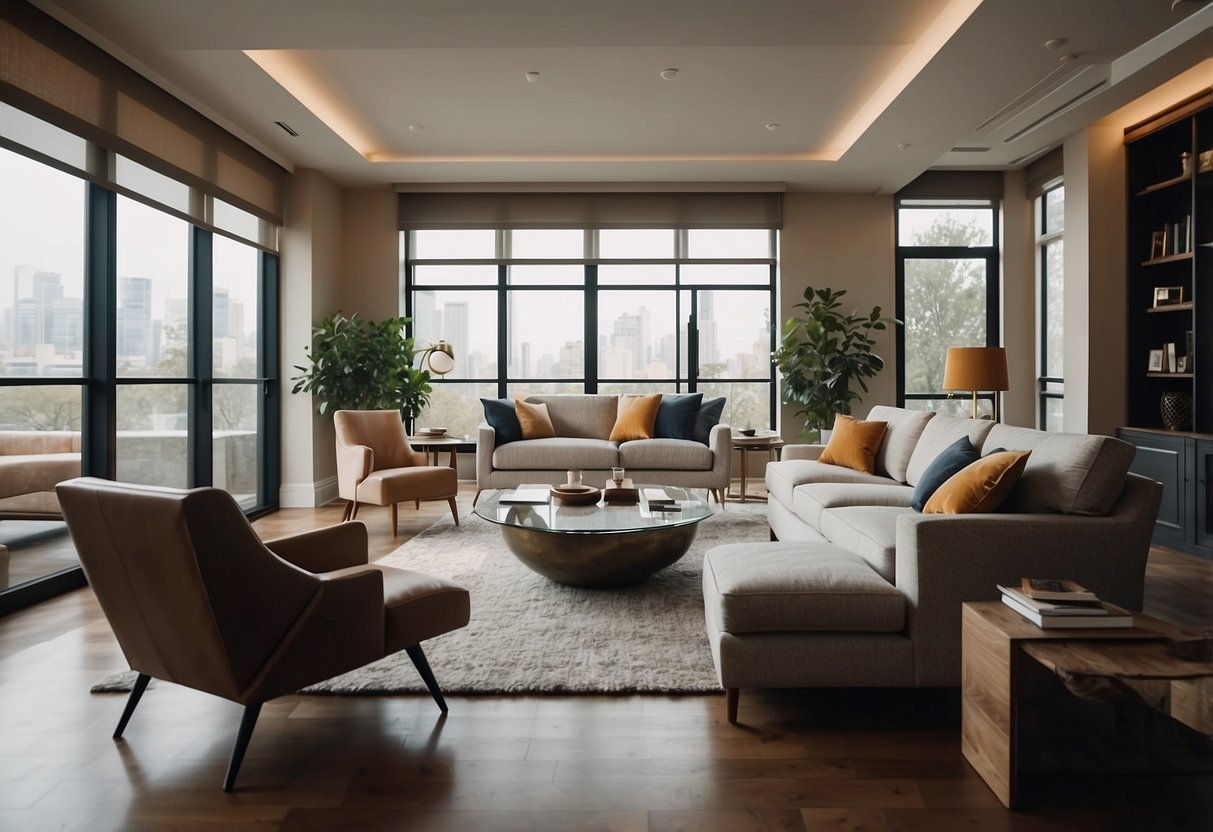
Your living room is the heart of your home, and it’s important to create a space that is both comfortable and harmonious. When it comes to furniture placement, start by positioning your sofa against a solid wall and facing the entrance of the room. This will create a sense of security and support, while also allowing you to see who enters the room.
If you have a TV in your living room, it’s best to place it in a cabinet or on a stand that can be closed when not in use. This will help to reduce the amount of visual clutter in the room and create a more calming environment. When it comes to artwork, choose pieces that inspire you and make you feel happy and relaxed.

Creating a Serene Bedroom
Your bedroom should be a sanctuary for rest and relaxation, and furniture placement plays a key role in creating a serene environment. Start by positioning your bed against a solid wall and facing the door, but not directly in line with it. This will create a sense of safety and support, while also allowing you to see who enters the room.
When it comes to your headboard, choose a solid, supportive design that is tall enough to provide a sense of security. Avoid placing your bed under a window or directly facing a mirror, as this can disrupt the flow of energy in the room. Instead, position your bed so that you have a clear view of the door and can see who enters the room.
Optimising the Home Office
Your home office is a space for productivity and focus, and furniture placement can help to support your work. Start by positioning your desk so that you have a clear view of the door, but not directly in line with it. This will help you to feel in control and aware of your surroundings.
When it comes to your office desk, choose a design that is comfortable and supportive, with enough space for your computer, paperwork, and other essentials. Avoid placing your desk under a window or directly facing a mirror, as this can create distractions and disrupt your focus. Instead, position your desk so that you have a solid wall behind you for support.
Remember, the key to good feng shui furniture placement is to create a sense of comfort, calm, and support in each room of your home. By following these simple guidelines, you can create a space that feels harmonious and inviting, while also supporting your productivity and wellbeing.
Frequently Asked Questions
How should I position my bed for good feng shui in the bedroom?
Your bed should be placed in a position where you can see the door but not directly in line with the door. This is called the “commanding position” and it allows you to feel safe and in control while you sleep. Avoid placing your bed under a window or in a corner as this can create a feeling of insecurity and restlessness.
What are the dos and don’ts for arranging furniture in a living room according to feng shui?
Do arrange your furniture in a way that promotes conversation and connection. Place chairs and sofas in a circular or semi-circular arrangement to encourage interaction. Don’t place furniture in a way that blocks the flow of energy or creates obstacles. Avoid placing furniture in direct alignment with doors or windows.
In feng shui, which direction is best for the placement of a sofa?
The best direction for a sofa is facing the entrance to the room. This allows you to see who is coming in and out of the space, promoting a feeling of safety and control. Avoid placing your sofa with its back to the door as this can create a sense of vulnerability.
What principles should I follow for a feng shui-compliant living room layout?
A feng shui-compliant living room should have a clear and open layout that promotes the flow of energy. Avoid clutter and ensure that furniture is arranged in a way that allows for easy movement and conversation. Use colours and materials that promote calmness and relaxation, such as earthy tones and natural fabrics.
Can you suggest a feng shui layout for a challenging bedroom space?
If you have a challenging bedroom space, such as a small room or an awkward shape, there are still ways to create good feng shui. Consider using a mirror to reflect light and create the illusion of more space. Choose furniture that is appropriately sized for the room and avoid overcrowding. Use colours and textures that promote relaxation and calmness.
What are the essential feng shui guidelines for arranging furniture in my home?
The essential feng shui guidelines for arranging furniture in your home include promoting the flow of energy, creating a sense of balance and harmony, and using colours and materials that promote relaxation and calmness. Avoid clutter and obstacles that block the flow of energy, and ensure that furniture is arranged in a way that allows for easy movement and conversation.