

Disadvantages of Microfiber Furniture: What You Need to Know
If you’re in the market for new furniture, you may be considering microfiber as an option. Microfiber furniture is made of synthetic materials and is known for being durable and easy to clean. However, it’s important to consider the disadvantages of microfiber furniture before making a purchase.
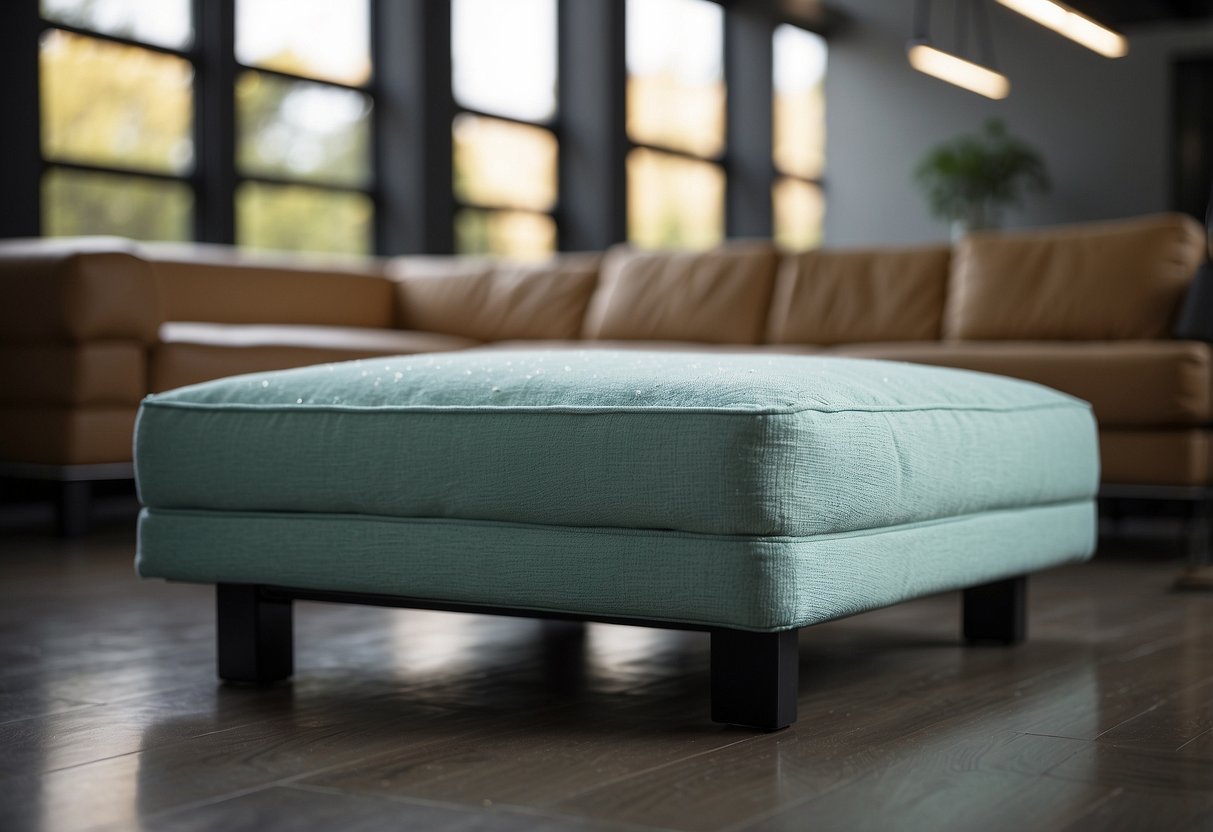
One of the biggest concerns with microfiber furniture is its tendency to attract pet hair and lint. If you have pets or wear clothing that sheds, you may find yourself constantly cleaning your furniture to remove hair and debris. Additionally, microfiber furniture can be more difficult to clean than other materials, as some cleaning products can damage the fabric.
Another disadvantage of microfiber furniture is its tendency to hold onto odours. If you spill something on your furniture or have pets, the odours can become trapped in the fabric and be difficult to remove. This can be a concern if you have allergies or sensitivities to certain smells.

Key Takeaways
- Microfiber furniture can attract pet hair and lint, making it difficult to keep clean.
- Cleaning microfiber furniture can be more challenging than cleaning other materials.
- Microfiber furniture can retain odours from spills or pets, which may be difficult to remove.
Material and Comfort Concerns

Sensitive to Heat and Sunlight
Microfiber furniture may not be the best option if you live in a hot and sunny climate. The material is sensitive to heat and sunlight and may fade or become discoloured over time. It is recommended to keep your microfiber furniture away from direct sunlight and heat sources to prevent damage.

Allergies and Static Issues
If you have allergies or are sensitive to dust, pollen, or pet hair, microfiber furniture may not be the best option for you. The tightly woven synthetic fibers of microfiber upholstery fabric can trap allergens and dust mites, making it difficult to clean. Additionally, microfiber furniture is known for its static issues, which can attract and hold on to pet hair and dust.
Environmental and Health Considerations
Microfiber furniture is made from synthetic fibers such as polyester or nylon, which are derived from petroleum. This raises environmental concerns as petroleum is a non-renewable resource. Additionally, the production of synthetic fibers can have negative environmental impacts.
There are also health concerns associated with the use of synthetic fibers in furniture. Some people may have allergic reactions to synthetic fibers, and there are concerns about the potential health effects of long-term exposure to synthetic fibers.
When it comes to comfort, microfiber furniture is known for its softness and durability. However, it may not be as breathable as natural fibers such as cotton or linen. This can make it uncomfortable to sit on for extended periods, especially in hot weather.
In summary, while microfiber furniture has its advantages, it is important to consider the material and comfort concerns before making a purchase. If you have allergies or are sensitive to dust and pet hair, or if you live in a hot and sunny climate, microfiber furniture may not be the best option for you. Additionally, there are environmental and health concerns associated with the use of synthetic fibers in furniture.
Cleaning and Maintenance Challenges
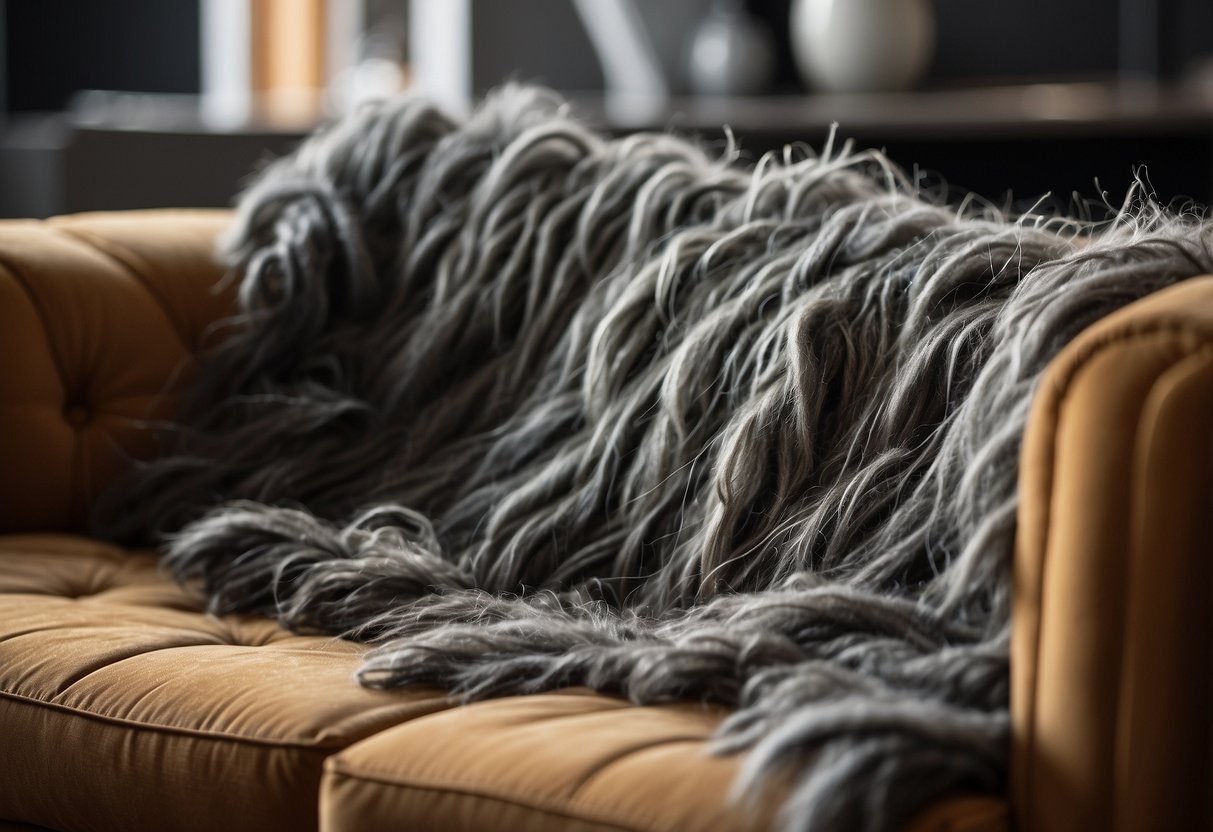
Microfiber furniture is known for being easy to clean and maintain, but it also has some cleaning and maintenance challenges that you should be aware of. Here are some of the difficulties you may face when cleaning and maintaining your microfiber furniture:
Difficulty with Certain Stains and Spills
While microfiber furniture is generally stain-resistant, it can still be difficult to clean certain types of stains and spills. For example, if you spill red wine or grape juice on your microfiber sofa, it may leave a stubborn stain that is difficult to remove. Similarly, if you spill oil or grease on your microfiber furniture, it can be tough to get the stain out completely. In these cases, you may need to use a special cleaning solution or seek professional help to remove the stain.
Wear and Tear over Time
Like any other furniture material, microfiber can wear and tear over time, especially in high-traffic areas. If you have kids or pets, your microfiber furniture may be more susceptible to wear and tear. Over time, the fabric may start to look worn or faded, and it may become less comfortable to sit on. To prevent this from happening, you should avoid placing your microfiber furniture in direct sunlight, and you should rotate the cushions regularly to distribute the wear and tear evenly.
Attracting Lint and Pet Hairs
One of the downsides of microfiber furniture is that it can attract lint and pet hairs. This can be frustrating if you have pets, as their hair may stick to the fabric and be difficult to remove. To prevent this from happening, you should vacuum your microfiber furniture regularly, using a soft brush attachment to remove any loose hairs or lint. You can also use a lint roller to remove any stubborn hairs or lint that may be stuck to the fabric.
In conclusion, while microfiber furniture is generally easy to clean and maintain, it does have some cleaning and maintenance challenges that you should be aware of. By taking these challenges into account and following the tips outlined above, you can ensure that your microfiber furniture looks great and lasts for years to come.
Frequently Asked Questions

What are the common issues with cleaning and maintaining microfiber sofas?
Microfiber sofas are generally easy to clean and maintain. However, one common issue that people face is that the fabric can attract lint, hair, and other debris. This can make it difficult to keep your sofa looking clean and fresh. To avoid this, you can use a lint roller or vacuum your sofa regularly.
Can microfiber upholstery be problematic for allergy sufferers?
Microfiber is generally considered to be a hypoallergenic material, which means that it is unlikely to cause an allergic reaction. However, some people may still be sensitive to the fabric or the chemicals used in the manufacturing process. If you have allergies or are concerned about potential allergens, it’s a good idea to test a small area of the fabric before purchasing a microfiber sofa.
How does the durability of microfiber furniture compare to other materials?
Microfiber furniture is generally considered to be quite durable and long-lasting. It is resistant to stains and spills, and can often be cleaned with just a damp cloth. However, it may not be as durable as leather or other materials, and can be prone to pilling or snagging over time. To ensure the longevity of your microfiber sofa, it’s important to follow the manufacturer’s care instructions and avoid exposing it to excessive wear and tear.
Are there any challenges with pet ownership and microfiber sofas?
Microfiber sofas can be a good choice for pet owners, as they are resistant to stains and spills. However, the fabric can attract pet hair and can be difficult to clean if your pet has accidents on the sofa. To keep your microfiber sofa looking its best with pets, it’s important to clean up messes as soon as possible and to use a lint roller or vacuum regularly.
What are the potential downsides of microfiber sofas in terms of comfort?
Microfiber sofas are generally considered to be comfortable and soft to the touch. However, some people may find that the fabric can be too warm or too cold depending on the season. Additionally, microfiber can be prone to static electricity, which can be uncomfortable or even painful for some people.
How does microfiber stand up to regular wear and tear over the years?
Microfiber furniture is generally quite durable and can stand up to regular wear and tear over the years. However, it may not be as resistant to scratches or punctures as leather or other materials. Additionally, the fabric can be prone to pilling or snagging over time, which can affect the appearance and texture of your sofa. To keep your microfiber sofa looking its best, it’s important to follow the manufacturer’s care instructions and to avoid exposing it to excessive wear and tear.