Commode Furniture Piece: A Stylish and Practical Addition to Your Home
If you’re looking for a piece of furniture that is both functional and aesthetically pleasing, you might want to consider a commode. A commode is a type of cabinet or chest of drawers that can be used for storing clothing or personal items. It is often used in bedrooms or living rooms, and can be made from a variety of materials such as wood, metal, or plastic.

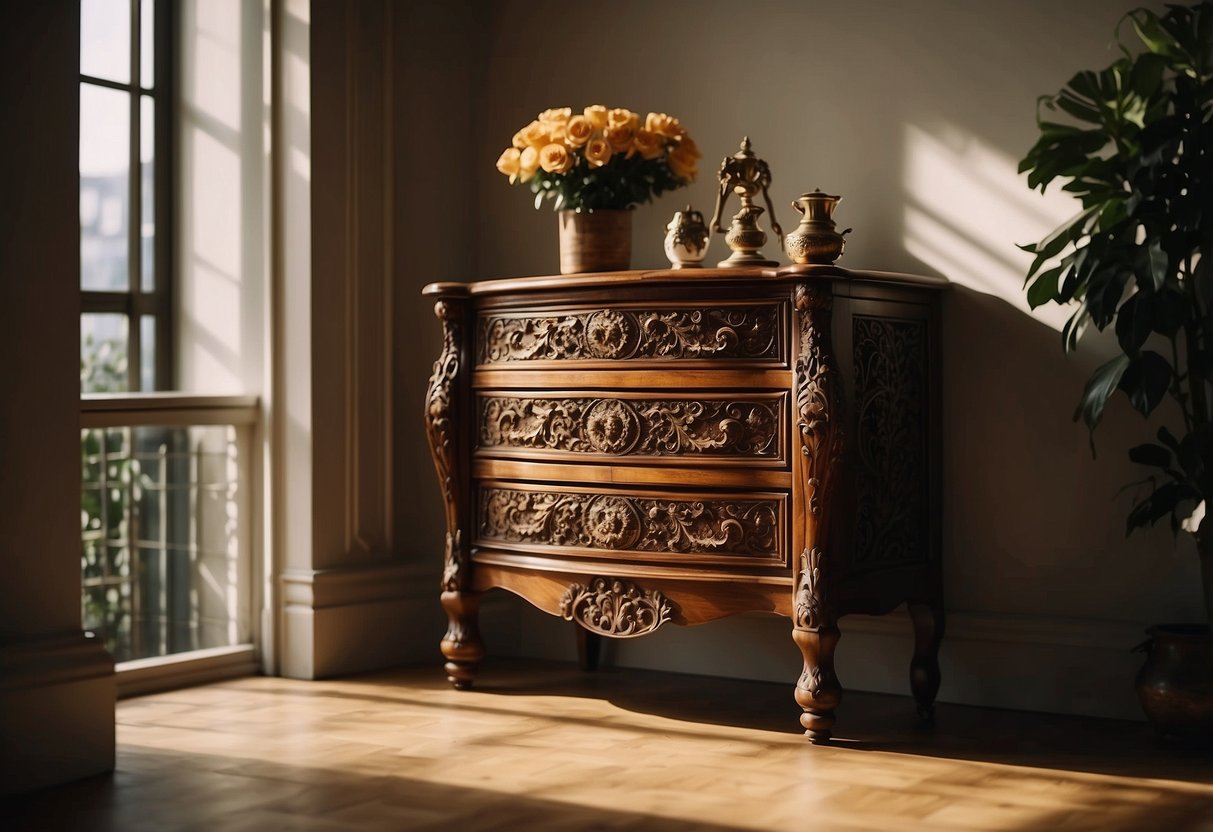
The commode has an interesting historical evolution, having been used in France in the late 17th century. Most commodes had marble tops, and some were fitted with pairs of doors. Over time, the design of the commode has evolved to focus on comfort, hygiene, and ease of use for senior residents in assisted living facilities. It offers added peace of mind for both the residents and their caregivers.
Key Takeaways
- Commode furniture pieces are both functional and aesthetically pleasing.
- The commode has an interesting historical evolution, having been used in France in the late 17th century.
- The design of the commode has evolved to focus on comfort, hygiene, and ease of use for senior residents in assisted living facilities.
Historical Evolution of the Commode
Origins in France
The commode furniture piece originated in France during the 18th century. The French commode was a type of chest of drawers that was wider than it was tall, and it was typically made of solid oak, walnut, or fruitwoods with carved decoration. The early commodes were often fitted with pairs of doors and had marble tops.
The term “commode” comes from the French word for “convenient” or “suitable,” and the piece was designed to provide convenient storage and display space. The first commode was designed and crafted by André Charles Boulle for Louis XIV’s bed-chamber at the Grand Trianon. The French commode became such a necessary article of furniture that it was made in menuiserie, or carpentry, and was displayed prominently in the home.

Development Through Centuries
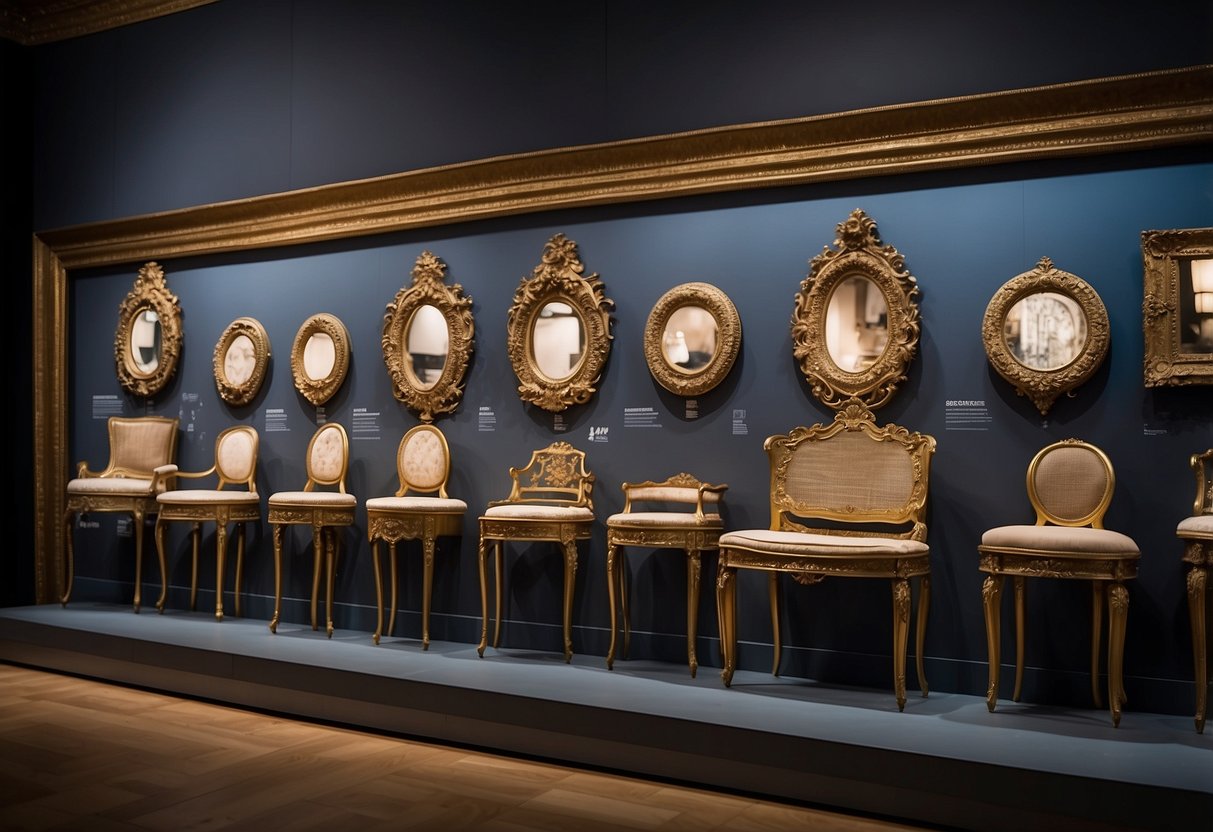
During the Rococo period, commodes became more ornate and decorative, with intricate marquetry and gilt-bronze mounts. The Louis XV commode was characterized by its curved lines and asymmetrical design, while the Neoclassical commode of the late 18th century was more geometric and austere.
In the 19th century, the Victorian commode was a significant piece of furniture that served as both a functional and decorative element in households of that era. Its intricate craftsmanship and attention to detail showcased the skill and artistry of the furniture makers during this time period.
Global Influence
The French commode had a significant impact on furniture design across Europe, the United States, and London. The commode became popular in other countries, and each region developed its own unique style. The French commode, with its elegant and ornate design, became a symbol of luxury and sophistication. Today, the commode is still a popular furniture piece that adds both style and functionality to any room.
Design and Functionality
Materials and Craftsmanship
When it comes to commode furniture pieces, the materials and craftsmanship are essential to ensure both durability and aesthetic appeal. Most commodes are made of wood, such as walnut, and feature intricate inlays and ormolu decorations. The cabinet usually has drawers or shelves for storage and a marble slab top for added elegance. The cabriole legs and serpentine front are typical design elements that give the commode its unique character.
Craftsmanship is also an important factor to consider when choosing a commode. The attention to detail and quality of workmanship can make all the difference in the final product. Many commodes are customizable, allowing you to choose the materials and design elements that best suit your needs and preferences.
Modern Adaptations
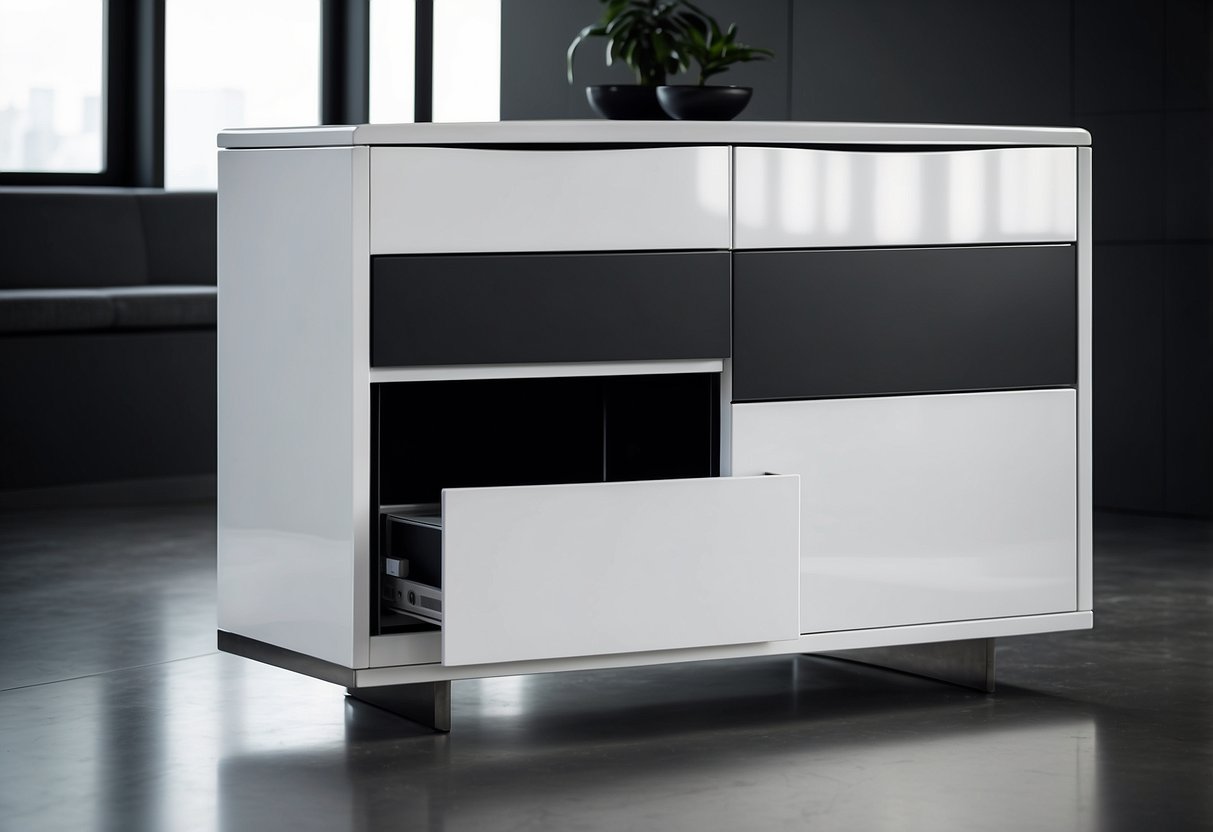
While the traditional design of the commode has remained relatively unchanged over the years, modern adaptations have been made to improve functionality. For example, some commodes now feature hidden compartments for added storage space. Others may have built-in electrical outlets or USB ports for charging devices.

In addition, commodes are now available in a wide range of styles to suit any decor. From sleek and modern to ornate and traditional, there is a commode to fit any space and personal taste.
Commode in Contemporary Spaces
Despite its traditional roots, the commode has found a place in contemporary spaces. Its elegant design and practical functionality make it a versatile piece of furniture that can be used in a variety of settings. In a bedroom, a commode can serve as a stylish storage solution for clothing and personal items. In a living room, it can be used as a decorative accent piece or as a functional side table.
With its timeless design and practical functionality, the commode is a furniture piece that will never go out of style. Whether you choose a traditional or modern design, a commode is sure to add both beauty and functionality to your space.
Frequently Asked Questions

What purposes does a commode serve in home furnishings?
A commode is a versatile piece of furniture that can serve multiple purposes in your home. It can be used as a bedside table, a storage unit, or even as a portable toilet. Commodes are particularly useful for people with limited mobility who find it difficult to get to the bathroom independently or easily.
How does a modern commode differ in design from an antique one?
Modern commodes are typically designed to be more functional and practical than antique ones. They often have detachable arms to help make transfers easier, and they may also come with features like adjustable height and padded seats for added comfort. Antique commodes, on the other hand, tend to be more ornate and decorative, with intricate carvings and luxurious finishes.
Can you explain the distinction between a commode and a nightstand?
While both commodes and nightstands can be used as bedside tables, there are some key differences between the two. Commodes are typically larger and more versatile than nightstands, with more storage space and the ability to be used as a portable toilet. Nightstands, on the other hand, are usually smaller and more basic, with just enough space for a lamp, a book, and a glass of water.
In what ways is a commode different from a dresser?
Although both commodes and dressers are used for storage, there are some important differences between the two. Commodes are typically smaller and more compact than dressers, with a focus on functionality rather than aesthetics. They often have a single drawer or cupboard for storage, and may also have a built-in toilet. Dressers, on the other hand, are larger and more decorative, with multiple drawers and a focus on style and design.
What are the characteristics of a commode chest of drawers?
A commode chest of drawers is a type of commode that has multiple drawers for storage. It is typically larger than a standard commode, with a focus on practicality and functionality. Commode chests of drawers may also have additional features like adjustable height and padded seats for added comfort.
How is a commode chair distinct from a standard toilet?
A commode chair is a movable piece of furniture that acts as a portable toilet. It is designed to be used by people with limited mobility who find it difficult to get to the bathroom independently or easily. Unlike a standard toilet, which is fixed in place, a commode chair can be moved around the house as needed. It typically has a padded seat and a built-in toilet, and may also have detachable arms to help make transfers easier.