

Chinese Furniture Styles: A Guide to Traditional and Modern Designs
Are you interested in learning about the unique and beautiful styles of Chinese furniture? With a rich history dating back to 1000 BC, Chinese furniture has evolved along three distinct lineages: frame and panel, yoke and rack, and bamboo construction techniques. Each style has its own unique characteristics and cultural significance, making Chinese furniture a popular choice for home decor enthusiasts who appreciate fine craftsmanship.
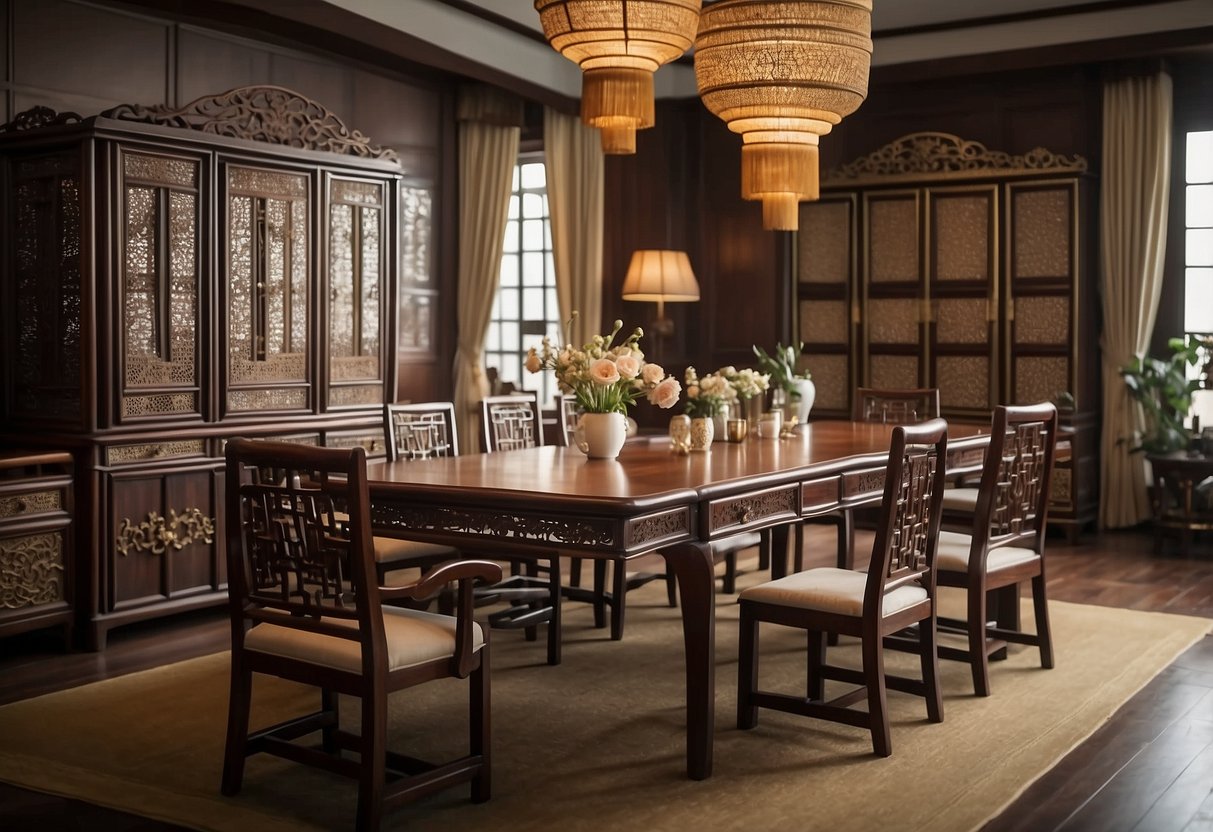
The historical evolution of Chinese furniture is fascinating, with each dynasty leaving its own mark on the design and craftsmanship of furniture. From the Ming dynasty’s precious wood and simple decoration to the Qing dynasty’s intricate carvings and use of lacquer, Chinese furniture has a rich and diverse history that is still admired today. Whether you are looking for traditional oriental designs or modern Western-style pieces, there is something for everyone when it comes to Chinese furniture.
Key Takeaways
- Chinese furniture has a rich history dating back to 1000 BC and has evolved along three distinct lineages: frame and panel, yoke and rack, and bamboo construction techniques.
- The historical evolution of Chinese furniture is fascinating, with each dynasty leaving its own mark on the design and craftsmanship of furniture.
- Chinese furniture offers a wide variety of styles, from traditional oriental designs to modern Western-style pieces, making it a popular choice for home decor enthusiasts.
Historical Evolution of Chinese Furniture
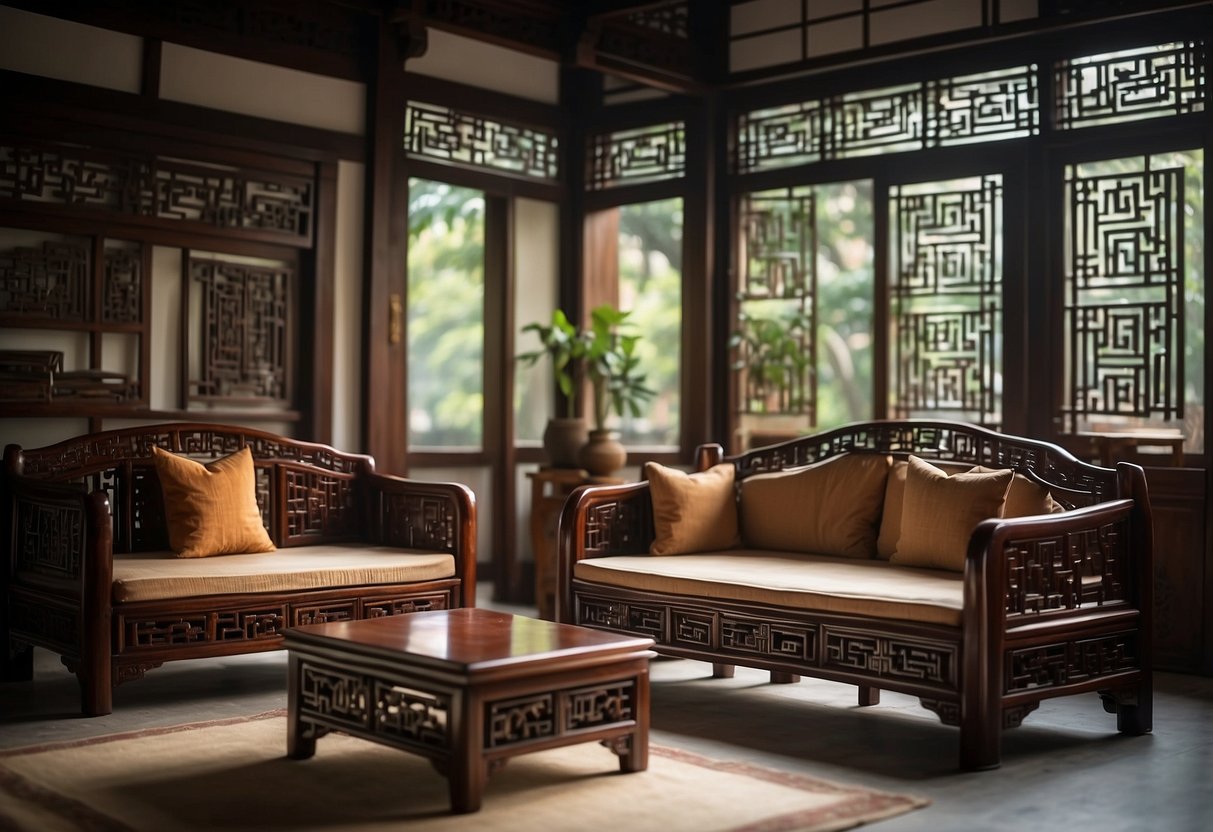
Chinese furniture has a rich history spanning thousands of years, with each dynasty leaving its unique mark on the art form. Here, we will explore the evolution of Chinese furniture through the ages, from the ancient dynasties to the golden ages of Song, Ming, and Qing.

Ancient Dynasties: From Han to Tang
The origins of Chinese furniture can be traced back to the Warring States period (475-221 BCE), where furniture was primarily made of wood and bamboo. During the Han dynasty (206 BCE-220 CE), furniture design became more sophisticated, with the use of lacquer and inlay techniques. The Tang dynasty (618-907 CE) saw the emergence of new furniture styles, such as the kang bed and the round-backed armchair.

Golden Ages: Song, Ming, and Qing Dynasties
The Song dynasty (960-1279 CE) was a golden age for Chinese furniture, with new forms such as bookcases, cabinets, stools, and tables being designed. The use of joinery techniques, such as mortise and tenon, allowed for intricate designs without the use of nails. In the Ming dynasty (1368-1644 CE), furniture design became more elegant and refined, with the use of precious materials such as rosewood and jade. The Qing dynasty (1644-1912 CE) saw a fusion of traditional Chinese styles with Western influences, resulting in a unique blend of craftsmanship.
Throughout the ages, Chinese furniture has been a reflection of the culture and history of China. From the simple designs of the Han dynasty to the intricate joinery of the Song dynasty, each era has left its unique mark on the art form. Today, Chinese furniture remains a popular choice for those seeking to add a touch of elegance and history to their homes.
Design and Craftsmanship
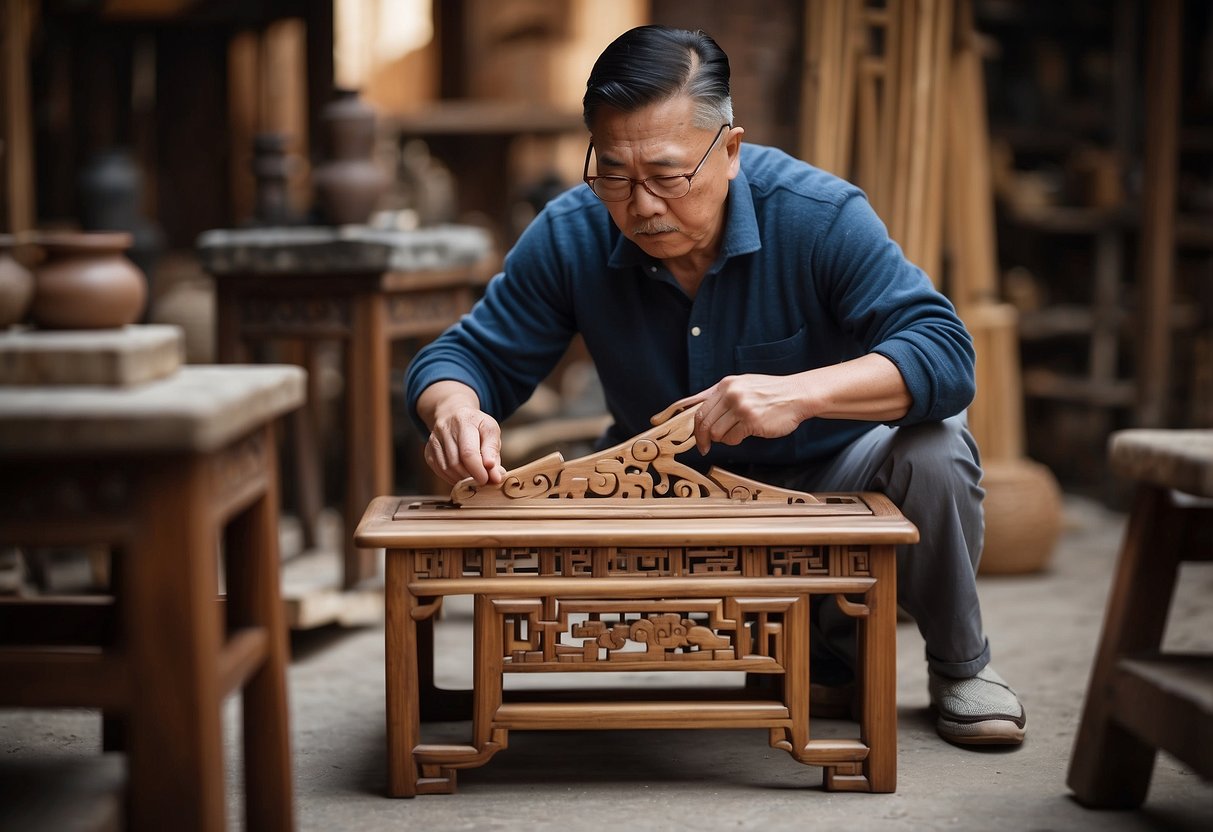
Chinese furniture is known for its unique blend of elegance, luxury, simplicity, and functionality. The furniture is made from a variety of materials such as hardwood, bamboo, lacquer, rosewood, huanghuali, and zitan. The furniture is crafted using traditional techniques that have been passed down through generations.
Materials and Techniques
Chinese furniture is crafted using a variety of techniques such as joinery, engraving, and symbols. The furniture is often adorned with jade, ivory, and other precious materials. Bamboo construction and mortise and tenon joints are also common techniques used in Chinese furniture making. The woodworking techniques used in Chinese furniture making are renowned for their superb craftsmanship and unique designs.
Iconic Furniture Types and Styles
Classical Chinese furniture is known for its elegance and luxury. Ming style furniture is particularly popular and features round and yoke back chairs, yoke back chairs, canopy beds, kang tables, altar tables, and compound cabinets. The furniture is often adorned with metal mounts, purple sandalwood, burl, and thick lacquer finish. Engravings and symbols are also commonly found on Chinese furniture.
Artistic Elements and Cultural Significance
Chinese furniture is not just functional furniture, but it is also considered an art form. The furniture is often adorned with artistic elements that have cultural significance. Red lacquer is a common colour used in Chinese furniture and is considered a symbol of good luck and happiness. The furniture is also often adorned with auspicious symbols that are believed to bring good fortune and prosperity.
In summary, Chinese furniture is known for its superb craftsmanship, unique designs, and cultural significance. Whether you are looking for classical Chinese furniture or modern Chinese furniture, you are sure to find something that suits your taste and style.
Frequently Asked Questions
What distinguishes traditional Chinese furniture design from modern styles?
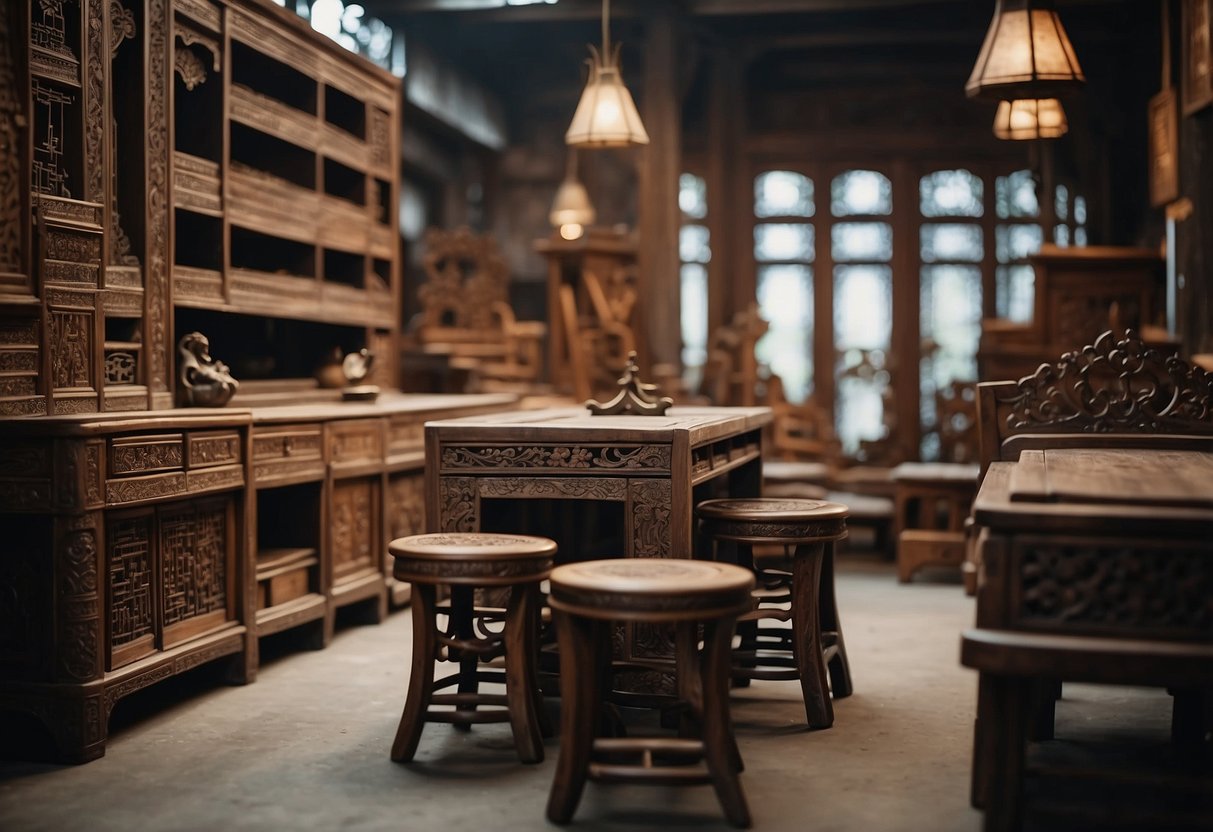
Traditional Chinese furniture design is characterized by its simplicity, elegance, and functionality. It often features handcrafted details and intricate joinery techniques that have been passed down through generations. Modern styles, on the other hand, tend to be more streamlined and minimalist, with a focus on clean lines and contemporary materials.
How can one identify the era of ancient Chinese furniture pieces?
The era of ancient Chinese furniture pieces can often be identified by their style, materials, and construction techniques. For example, furniture from the Ming Dynasty (1368-1644) is known for its elegant simplicity and use of high-quality materials such as rosewood and huanghuali. Furniture from the Qing Dynasty (1644-1912) is often more ornate and decorative, with intricate carvings and inlaid designs.
What are the characteristic features of Ming Dynasty furniture?
Ming Dynasty furniture is known for its simple, elegant designs and use of high-quality materials. Pieces from this era often feature clean lines, subtle curves, and intricate joinery techniques. The use of rosewood and huanghuali wood is also a characteristic feature of Ming Dynasty furniture.
Could you explain the significance of Huanghuali in Chinese furniture making?
Huanghuali is a type of wood that has been prized in Chinese furniture making for centuries. It is known for its beautiful grain patterns, durability, and resistance to insects and decay. Huanghuali wood was often reserved for high-end furniture pieces and was considered a symbol of wealth and status.
What types of wood are commonly used in Chinese furniture crafting?
In addition to huanghuali and rosewood, other types of wood commonly used in Chinese furniture crafting include elm, birch, and bamboo. Each type of wood has its own unique characteristics and is chosen based on its suitability for a particular piece of furniture.
What are some tips for arranging furniture in the traditional Chinese way?
When arranging furniture in the traditional Chinese way, it is important to consider the principles of feng shui and balance. Furniture should be arranged in a way that promotes good energy flow and creates a harmonious environment. It is also common to incorporate natural elements such as plants and water features into the space.