

Chinese Art Furniture: A Guide to Traditional and Modern Designs
If you’re looking to add a touch of elegance and sophistication to your home decor, Chinese art furniture might just be what you need. With its rich history and intricate design elements, Chinese furniture has become a popular choice for homeowners who want to add a touch of authenticity to their living spaces. In this article, we’ll explore the historical evolution of Chinese furniture, design elements and materials, and answer frequently asked questions about Chinese art furniture.

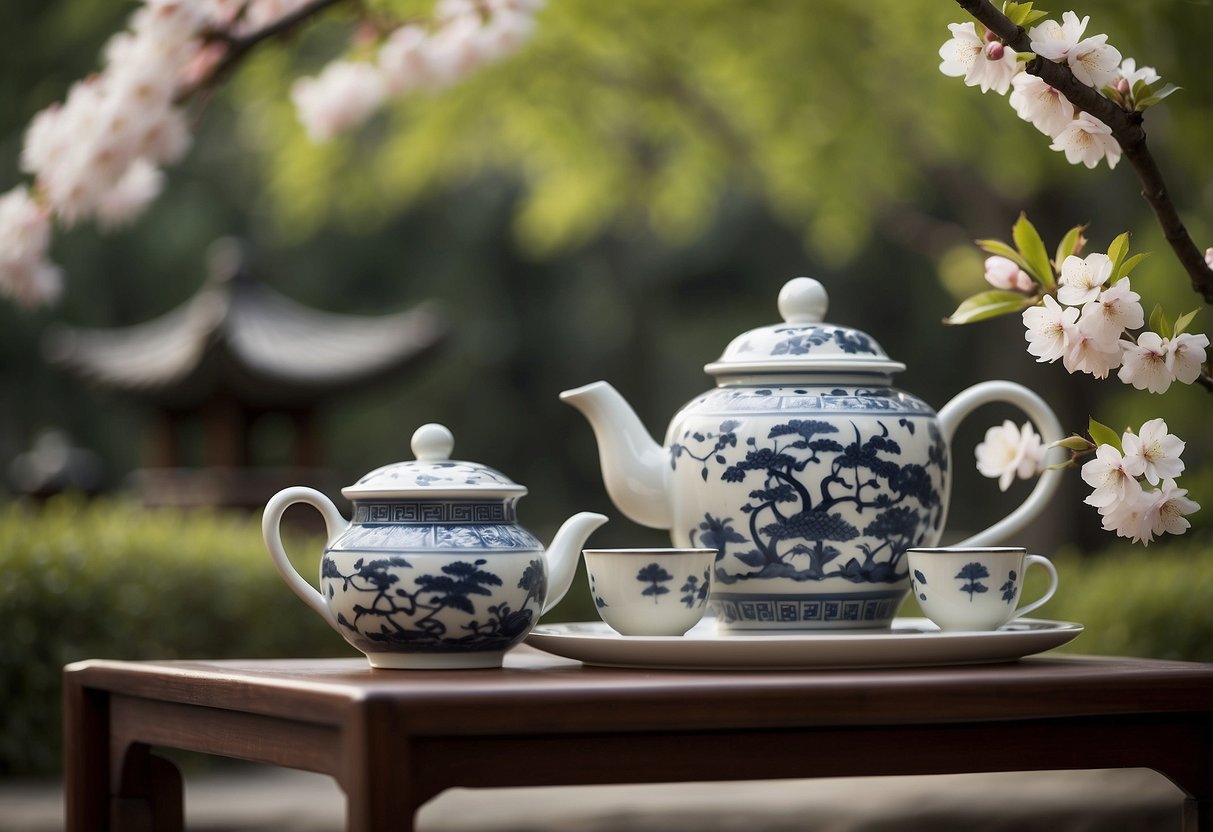
Chinese furniture has a long and rich history that dates back to the Neolithic period. Over the centuries, Chinese furniture has evolved to reflect the changing tastes and styles of different dynasties. From the simple, functional pieces of the Han dynasty to the ornate, decorative pieces of the Ming and Qing dynasties, Chinese furniture has always been appreciated for its beauty and craftsmanship.
When it comes to selecting Chinese art furniture for your home, there are a few things to keep in mind. Authenticity is key, so look for pieces that are made using traditional joinery techniques and high-quality materials. You’ll also want to consider the design elements and materials used in the piece, as well as its overall aesthetic appeal. With a little bit of research and some careful consideration, you can find the perfect piece of Chinese art furniture to complement your home decor.
Key Takeaways
- Chinese art furniture has a rich history that dates back to the Neolithic period.
- Authenticity is key when selecting Chinese art furniture for your home.
- Consider design elements, materials, and overall aesthetic appeal when selecting Chinese art furniture.
Historical Evolution of Chinese Furniture
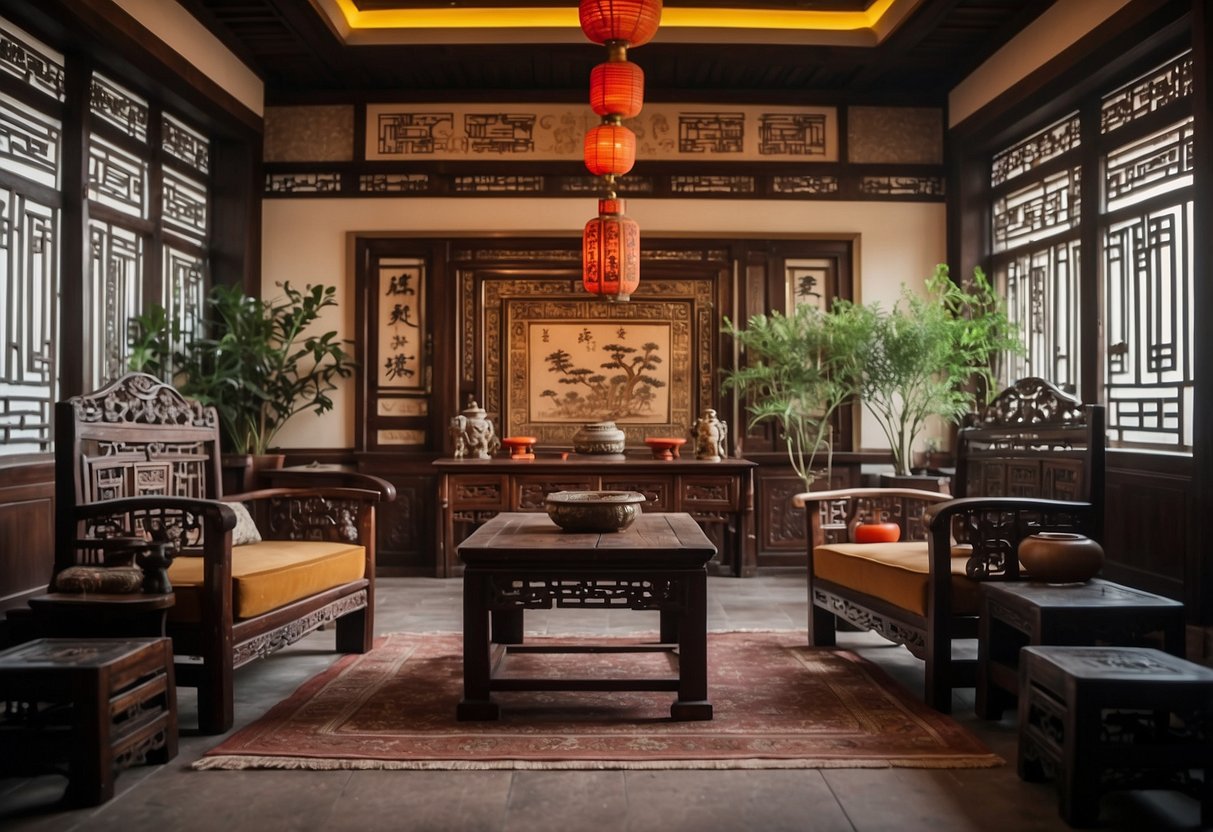
Chinese furniture has a rich history that spans thousands of years, with each dynasty leaving its unique mark on the art form. In this section, you will explore the evolution of Chinese furniture through the ages, from the ancient dynasties to the golden ages of Song, Ming, and Qing.

Yuan and Song Dynasties Influence
The Yuan and Song dynasties were significant periods in the evolution of Chinese furniture. During the Song dynasty, the focus was on simplicity and elegance, and furniture was designed to be practical and functional. The Yuan dynasty, on the other hand, saw the introduction of new materials and techniques, including lacquer and inlay work. The combination of these two dynasties’ influences resulted in the creation of furniture that was both beautiful and functional.
One of the most notable furniture pieces from the Song dynasty is the folding chair. This chair was designed to be portable and easy to store, making it perfect for travelling. During the Yuan dynasty, the use of lacquer became more prevalent, and furniture makers began to experiment with different colours and designs. The dragon was a popular motif during this period, and many furniture pieces were decorated with intricate dragon designs.
Antique Pieces and Their Significance
Antique Chinese furniture is highly prized for its beauty and historical significance. Antique pieces can range from simple chairs to elaborate cabinets, and each piece tells a story about Chinese culture and history. Antique furniture is often made from high-quality hardwoods, such as rosewood and elm, and is decorated with intricate carvings and inlay work.
One of the most significant antique furniture pieces is the Ming-style cabinet. This cabinet is known for its intricate carvings and beautiful lacquer work. The cabinet was designed to be both functional and beautiful, with many drawers and compartments for storage. Another notable antique piece is the dragon chair, which was designed for the emperor and decorated with intricate dragon designs.
In conclusion, Chinese furniture has a rich history that reflects the culture and art of China. The influence of the Yuan and Song dynasties can still be seen in modern furniture designs, and antique pieces continue to be highly prized for their beauty and historical significance.
Design Elements and Materials
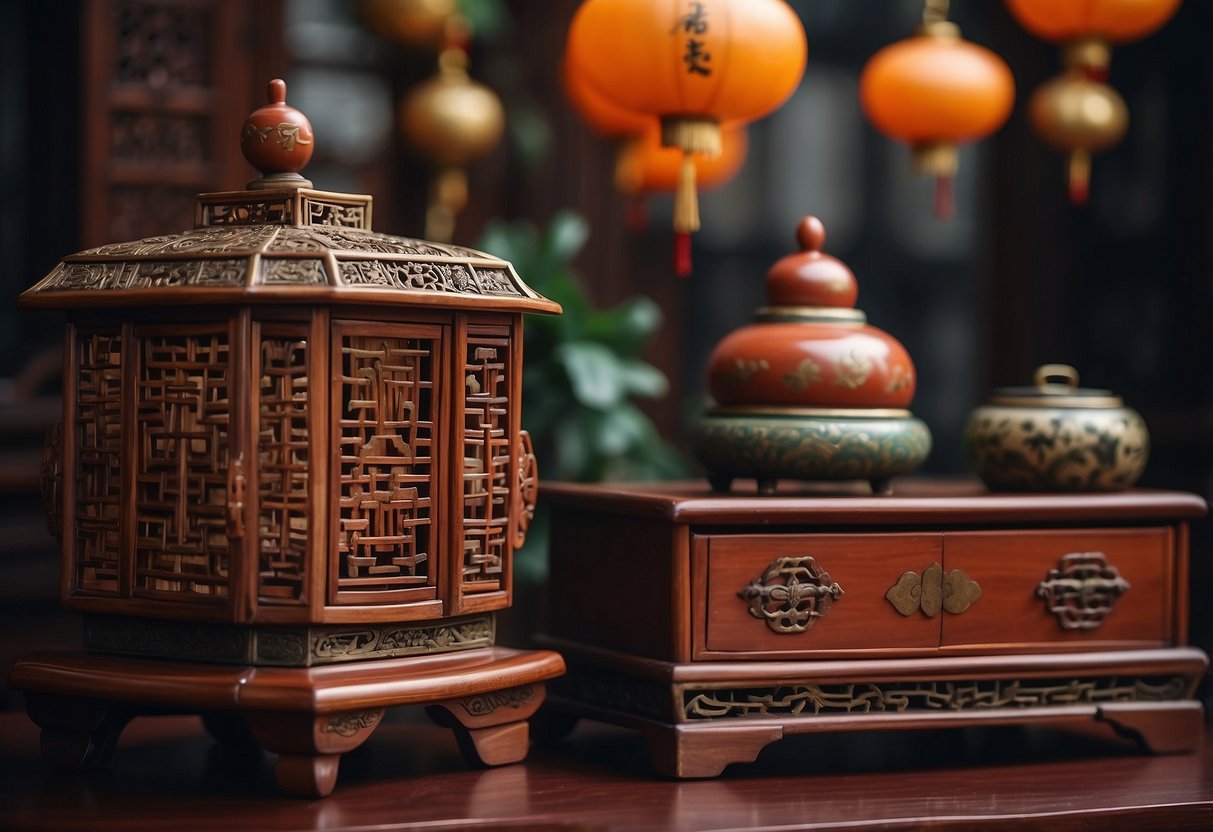
When it comes to Chinese art furniture, the design elements and materials used are key to creating a unique and elegant piece that reflects the region’s rich cultural heritage. In this section, we’ll explore some of the most common design elements and materials used in Chinese art furniture.

Rosewood and Other Traditional Materials
One of the most popular materials used in Chinese art furniture is rosewood. This type of wood is known for its durability, rich colour, and beautiful grain patterns. In addition to rosewood, other traditional materials used in Chinese furniture design include bamboo, rattan, and elm. These materials are often handcrafted by skilled artisans, resulting in unique and one-of-a-kind pieces.
Symbolism in Furniture Design
In Chinese culture, symbolism plays an important role in furniture design. For example, the colour red is often used to symbolize good luck and happiness, while gold represents wealth and prosperity. Other symbols commonly used in Chinese furniture design include dragons, phoenixes, and lotus flowers. These symbols are often intricately carved or painted onto the furniture, adding to its beauty and meaning.
Contemporary Adaptations
While traditional materials and design elements remain popular in Chinese art furniture, contemporary adaptations are also becoming more common. For example, some designers are incorporating modern materials such as metal and glass into their designs, while others are experimenting with bold colours and finishes. These adaptations allow Chinese art furniture to remain relevant and appealing to a wider audience.
In conclusion, the design elements and materials used in Chinese art furniture are what make it truly unique and elegant. Whether you prefer traditional rosewood pieces or more contemporary adaptations, Chinese art furniture is sure to add a touch of handcrafted elegance to any space.
Frequently Asked Questions
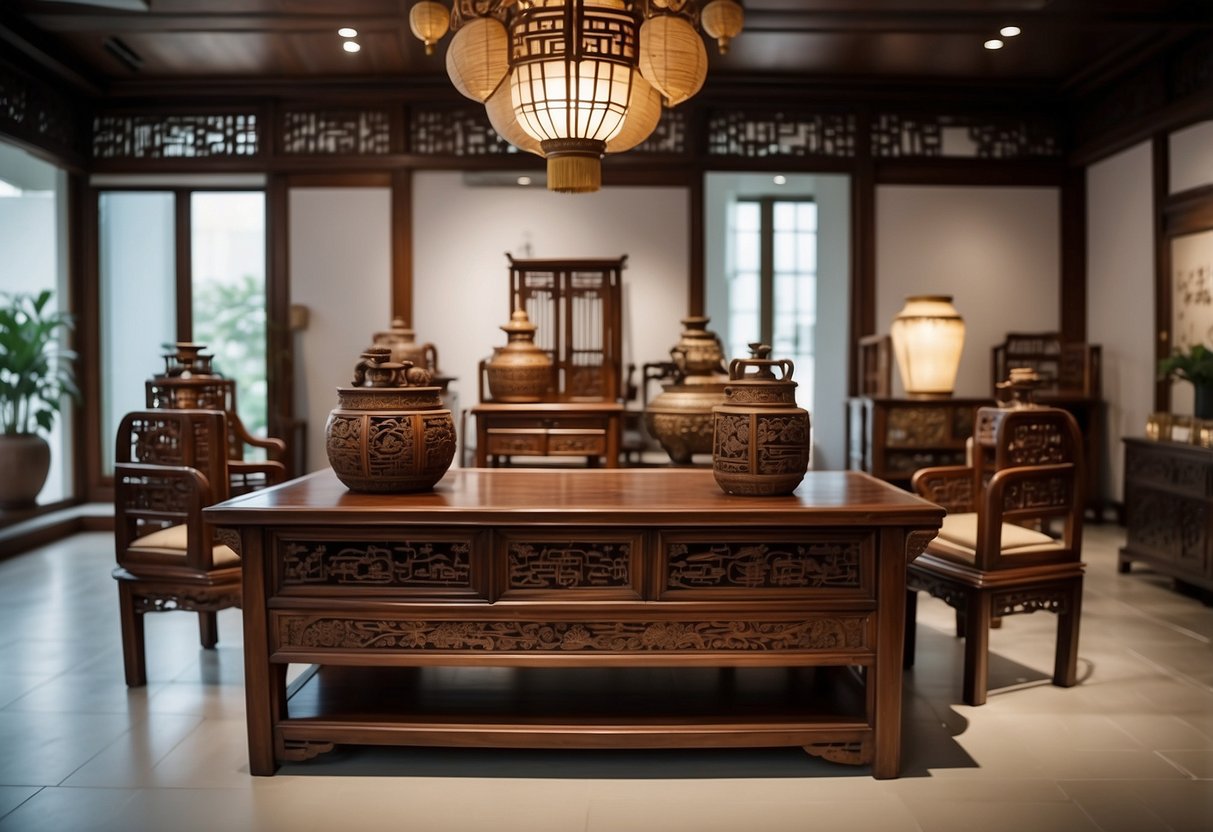
How can I determine the value of my Chinese art furniture?
Determining the value of Chinese art furniture can be a challenging task, as it depends on various factors such as age, condition, rarity, and provenance. However, some of the key factors that can help you determine the value of your Chinese art furniture include the quality of craftsmanship, the type of wood used, and the intricacy of the design. Consulting with a reputable antique dealer or appraiser who specializes in Chinese art furniture can also be helpful.
What are the key characteristics to identify antique Chinese furniture?
Antique Chinese furniture is known for its exquisite craftsmanship and unique designs. Some of the key characteristics to look for when identifying antique Chinese furniture include the use of traditional joinery techniques such as mortise and tenon joints, the presence of intricate carvings and inlays, and the use of high-quality, aged wood. It’s also important to look for signs of wear and tear, which can indicate the age and authenticity of the piece.
Why is Chinese antique furniture often highly priced?
Chinese antique furniture is often highly priced due to its rarity, historical significance, and superior craftsmanship. Many antique Chinese furniture pieces were created during the Ming and Qing dynasties, which are considered to be the golden age of Chinese furniture-making. Additionally, the scarcity of high-quality, aged wood used in antique Chinese furniture adds to its value.
What should I look for when purchasing Chinese art furniture?
When purchasing Chinese art furniture, it’s important to consider factors such as the quality of craftsmanship, the type of wood used, and the authenticity of the piece. Look for pieces that exhibit traditional joinery techniques such as mortise and tenon joints, and avoid pieces that have been heavily restored or altered. It’s also important to purchase from reputable dealers who specialize in Chinese art furniture.
Can you explain the history behind Chinese art furniture styles?
Chinese art furniture styles have a rich history that dates back thousands of years. Traditional Chinese furniture is characterized by its elegant simplicity, with designs that emphasize balance and harmony. During the Ming and Qing dynasties, Chinese furniture-making reached new heights, with the creation of intricate designs and the use of high-quality, aged wood. Today, modern Chinese furniture continues to draw inspiration from these traditional styles.
How can one distinguish Chinese zitan wood in furniture pieces?
Chinese zitan wood is a rare and highly prized wood that is known for its dark purple-brown color and fine, even grain. When examining a piece of furniture, look for the distinctive color and grain pattern of zitan wood. Additionally, zitan wood is known for its weight and density, so a piece of furniture made from zitan wood should feel heavier than a piece made from other types of wood.