Cat Scratching Furniture? Here’s What You Need to Know
If your cat has suddenly started scratching your furniture, you may be wondering why they have developed this new habit. Scratching is a natural behaviour for cats, and it is important to understand why they do it and how to redirect their behaviour. In this article, we will explore the reasons why cats scratch furniture and provide tips on how to prevent and redirect this behaviour.

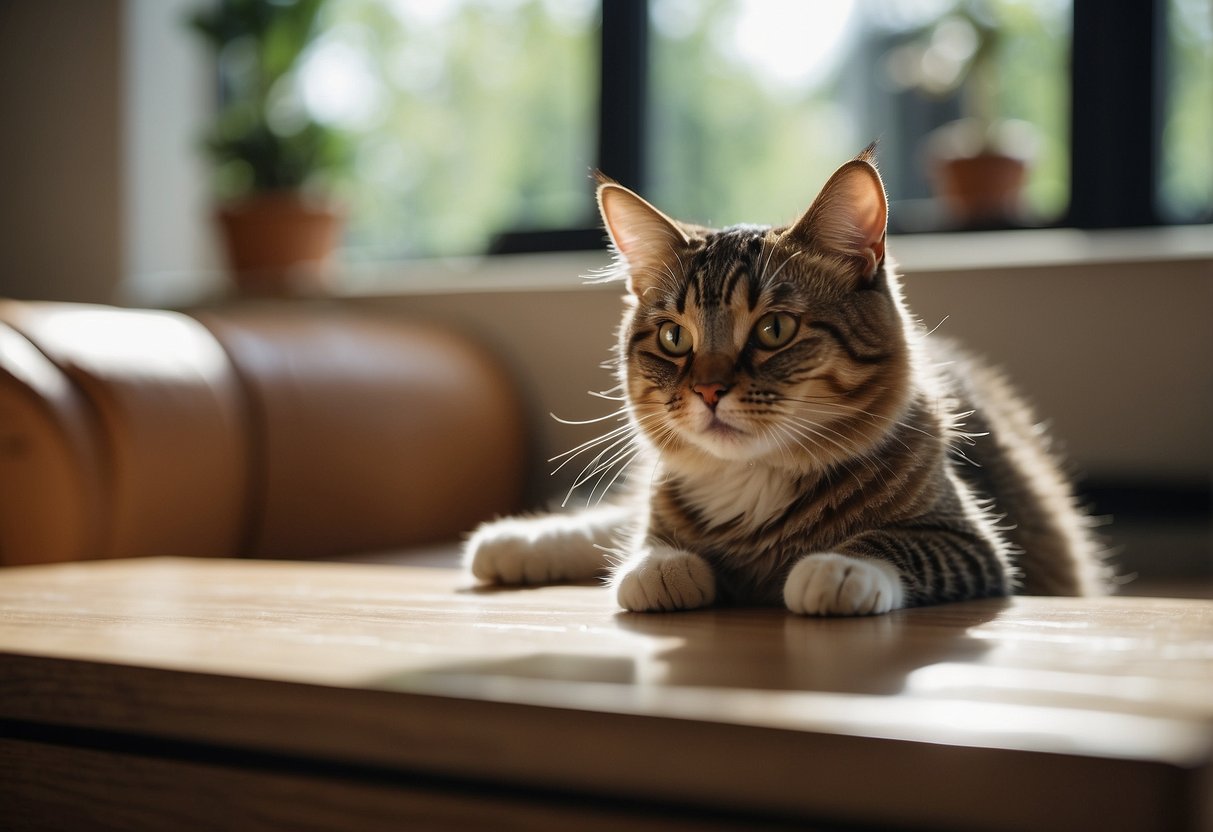
Understanding your cat’s scratching habits is key to preventing furniture damage. Scratching is a natural way for cats to stretch their muscles, mark their territory, and sharpen their claws. It is important to provide your cat with appropriate scratching surfaces and to discourage scratching on furniture. Redirecting your cat’s scratching behaviour can take time and patience, but it is worth it to protect your furniture and keep your cat happy and healthy.
In this article, we will provide tips on how to prevent and redirect furniture scratching, as well as answer some frequently asked questions about cat scratching behaviour. By understanding your cat’s needs and providing appropriate scratching surfaces, you can help prevent furniture damage and ensure your cat is happy and healthy.
Key Takeaways
- Scratching is a natural behaviour for cats, and it is important to provide appropriate scratching surfaces to prevent furniture damage.
- Redirecting your cat’s scratching behaviour can take time and patience, but it is worth it to protect your furniture and keep your cat happy and healthy.
- Understanding your cat’s needs and providing appropriate scratching surfaces is key to preventing furniture damage.
Understanding Your Cat’s Scratching Habits
As a cat owner, it’s important to understand your cat’s scratching habits. Scratching is a natural behaviour for cats, and it serves several important purposes. By understanding why your cat scratches, you can provide them with appropriate outlets and prevent damage to your furniture.

The Instinct to Scratch
Cats have a natural instinct to scratch, and it’s an important part of their behaviour. Scratching helps cats stretch their muscles and maintain their claws. It also helps them mark their territory and communicate with other cats through scent glands in their paws.
Marking Territory Through Scent Glands
Cats have scent glands in their paws that release a unique scent when they scratch. This scent helps them mark their territory and communicate with other cats. By scratching, cats are able to leave their mark and assert their dominance in their environment.
Health and Claw Maintenance
Scratching is also important for your cat’s health and claw maintenance. When cats scratch, they are able to remove the outer layer of their claws, which helps keep them sharp and healthy. Scratching also helps cats stretch their muscles and maintain their flexibility.
In summary, scratching is a natural behaviour for cats, and it serves several important purposes. By providing your cat with appropriate outlets for scratching, such as scratching posts or pads, you can promote their physical and mental well-being while ensuring your furniture remains unscathed.
Preventing and Redirecting Furniture Scratching
As a cat owner, you know that cats love to scratch. It’s a natural behaviour that helps them mark their territory, stretch their muscles, and keep their claws healthy. However, when your cat suddenly starts scratching your furniture, it can be frustrating and costly. Fortunately, there are several strategies you can use to prevent and redirect furniture scratching.
Suitable Scratching Alternatives
Cats need suitable scratching alternatives to prevent them from scratching your furniture. A scratching post is an excellent option, as it provides a vertical surface for your cat to scratch. Scratching posts come in different materials such as sisal rope, corrugated cardboard, and wood. You can also use a scratching board or a cat tree, which provides multiple scratching areas and a place for your cat to play.
When choosing a scratching post, make sure it’s sturdy and tall enough for your cat to stretch out fully. You can also try different textures to see what your cat prefers. Some cats like sisal, while others prefer a rough surface. You can also add catnip or treats to make the scratching post more enticing.
Training and Positive Reinforcement
Training your cat to use a scratching post requires patience and positive reinforcement. Start by placing the scratching post in a high-traffic area where your cat spends most of their time. You can also use a pheromone diffuser, such as Feliway, to help your cat feel more relaxed and less anxious.

Encourage your cat to use the scratching post by rewarding them with treats or praise when they scratch it. You can also use a clicker to mark the behaviour you want to reinforce. If your cat starts scratching the furniture, gently redirect them to the scratching post and reward them when they use it.
Environmental Enrichment
Providing your cat with environmental enrichment can also help prevent furniture scratching. Cats need mental and physical stimulation to keep them happy and healthy. You can provide enrichment by adding climbing structures, hiding treats, and providing toys that mimic prey.
You can also use double-sided sticky tape or aluminum foil to make the furniture undesirable for your cat to scratch. Citrus spray can also be effective, as cats don’t like the smell. Make sure to provide your cat with plenty of scratching options and place them in different locations around your home.
Regular nail trims or claw caps can also help prevent furniture scratching. If you have a multi-cat household, make sure to provide each cat with their scratching area and litter box to reduce competition and stress.
By using these strategies, you can prevent and redirect furniture scratching and provide your cat with suitable alternatives. Remember to be patient and consistent with training, and provide your cat with plenty of enrichment to keep them happy and healthy.
Frequently Asked Questions
Why has my old cat started to scratch the furniture all of a sudden?
It’s not uncommon for older cats to start scratching furniture suddenly. This could be due to a few reasons, such as changes in their environment, health issues, or anxiety. It’s important to take your cat to the vet to rule out any underlying medical conditions. If your cat is healthy, try to identify any changes in their environment that may have caused stress or anxiety.
How can I deter my cat from scratching the furniture for attention?
Cats may scratch furniture for attention, so it’s important to provide them with plenty of attention and playtime. You can also try providing them with a scratching post or mat to redirect their scratching behaviour. Make sure the scratching post is tall and sturdy enough for your cat to stretch out and scratch comfortably.
What home remedies can prevent cats from scratching furniture?
There are a few home remedies you can try to prevent cats from scratching furniture. One option is to use double-sided tape or aluminium foil on the furniture to make it less appealing to scratch. You can also try spraying the furniture with a citrus or lavender scent, as cats tend to dislike these smells. Additionally, providing your cat with a scratching post or mat can help redirect their scratching behaviour.
At what age do cats typically begin to scratch furniture?
Cats typically begin to scratch furniture around six months of age. This is when they start to develop their scratching behaviour and habits. It’s important to provide your cat with a scratching post or mat early on to encourage them to scratch appropriate surfaces.
What might be causing my indoor cat to scratch more frequently?
Indoor cats may scratch more frequently due to boredom or lack of stimulation. Make sure your cat has plenty of toys and playtime to keep them entertained. Additionally, stress or anxiety can also cause cats to scratch more frequently. Try to identify any changes in their environment that may be causing stress and address them accordingly.
How should I discipline my cat to stop it from scratching furniture?
Disciplining your cat for scratching furniture is not recommended, as it can cause fear and anxiety. Instead, try to redirect their behaviour by providing them with a scratching post or mat. You can also try using positive reinforcement by rewarding your cat when they use the scratching post instead of the furniture.