

Valvular Heart Disease: Understanding the Basics and Treatment Options
Valvular heart disease is a disorder that affects the heart’s valves. These valves ensure blood flows in the right direction through the heart. When one or more of these valves don’t work correctly, it can lead to various health problems. This condition can cause symptoms like shortness of breath, fatigue, and chest pain, making it difficult to carry out daily activities.

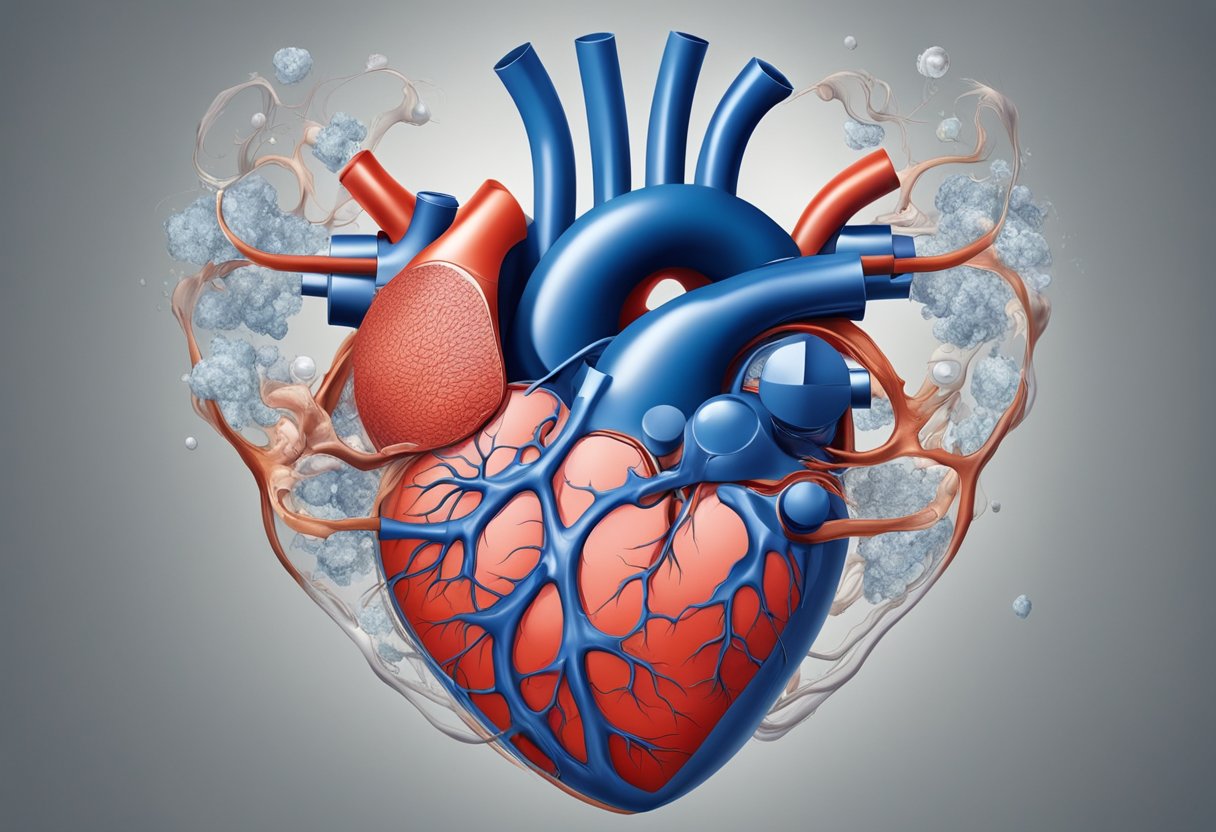
Symptoms of valvular heart disease may not show up immediately. You might start feeling very tired, or notice swelling in your ankles and feet. Understanding the root causes, which can include congenital heart defects or infections, is key to managing this disease. Early diagnosis and treatment can prevent serious complications like heart failure.
When it comes to treatment, there are several options, from medication to surgery. The type of treatment depends on the severity of the disease and your overall health. With proper medical care, many people live a normal life despite having this condition.
Key Takeaways
- Valvular heart disease affects the heart’s valve function and blood flow.
- Symptoms include shortness of breath, fatigue, and chest pain.
- Treatment options range from medication to surgery based on disease severity.
Understanding Valvular Heart Disease
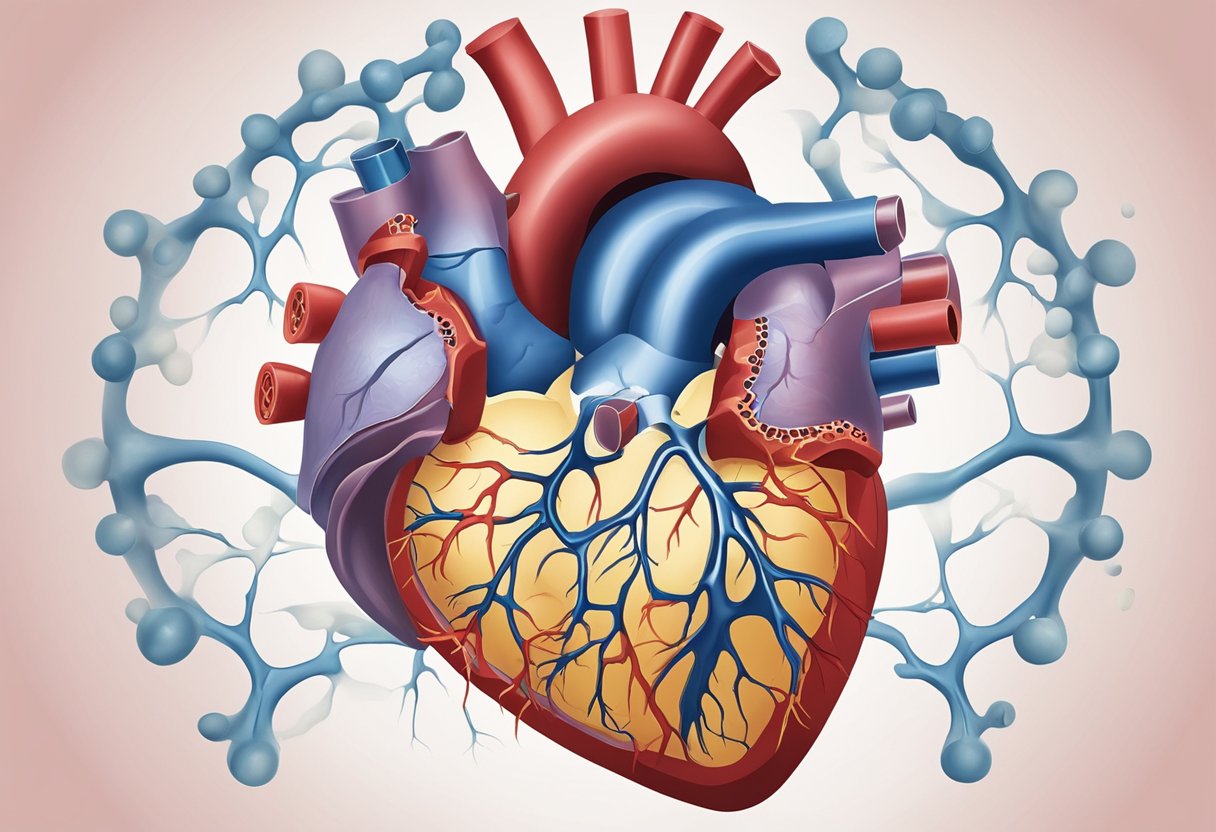
Valvular heart disease (VHD) occurs when your heart valves don’t function properly. This can lead to serious complications if not managed correctly. It is important to recognise the types, causes, and risk factors to prevent and treat VHD effectively.

Types and Pathophysiology
Your heart has four main valves: the mitral valve, aortic valve, pulmonary valve, and tricuspid valve. These valves ensure blood flows in the right direction. VHD affects these valves in two key ways: stenosis (narrowing) and regurgitation (leaking).
In stenosis, the valve flaps become thick or stiff, reducing the opening and restricting blood flow. This increases the heart’s workload and can cause heart attacks or heart failure.
Regurgitation happens when the valve does not close properly, allowing blood to flow backward. This can lead to inefficient blood circulation and increased blood pressure in the heart.
Causes and Risk Factors
Several factors contribute to VHD. Congenital heart defects, such as a bicuspid aortic valve, mean you’re born with valve problems. Others develop over time due to age, high blood pressure, diabetes, or damage from conditions like rheumatic fever.
Infections such as endocarditis can damage the heart valves. Autoimmune diseases like lupus and conditions like Marfan syndrome also pose risks.
Lifestyle factors, including smoking and atherosclerosis (hardening of the arteries), increase the likelihood of VHD. Recognising these risk factors early can help in taking preventive measures to protect your heart health.
Diagnosis, Treatment, and Management

Accurate diagnosis and effective treatment are crucial for managing valvular heart disease (VHD). Timely intervention and regular monitoring can help prevent complications and improve your quality of life.
Clinical Diagnosis
To diagnose valvular heart disease, your doctor will begin with a thorough medical history and physical examination. You may experience symptoms like shortness of breath, chest pain, fatigue, or a heart murmur. Diagnostic tests such as an echocardiogram, chest X-ray, and electrocardiogram (ECG) are commonly used. An echocardiogram is particularly useful as it provides images of the heart valves and measures blood flow. A cardiologist might also suggest a cardiac MRI or a stress test.

Treatment Options
Treatment depends on the severity of your VHD. Mild cases might only need lifestyle changes and routine check-ups. Common treatment options include:
- Medications: Diuretics reduce fluid buildup, beta-blockers control heart rate, and antibiotics prevent infections like endocarditis.
- Surgery: Valve repair or valve replacement are options for severe cases. Options include mechanical valves or biological valves made from tissue.
- Medical Devices: In cases of severe regurgitation or stenosis, catheter-based interventions might be recommended.
Your cardiologist will formulate a treatment plan tailored to your condition, considering factors like age, overall health, and risk of complications.
Living with Valvular Heart Disease
Managing VHD involves more than just medical treatments. Lifestyle changes play a critical role. You should maintain a heart-healthy diet, engage in regular exercise, and avoid smoking. Pay attention to symptoms such as fatigue, palpitations, and swelling. Regular follow-ups with your cardiologist are essential to monitor your condition and adjust treatments as needed. If you have a mechanical valve, you may need to take blood thinners to prevent blood clots. Additionally, you’ll need to inform any healthcare provider about your VHD, especially before any surgical or dental procedure, to avoid potential endocarditis.
Living with VHD requires careful management and close cooperation with your healthcare team. With the right strategies, many people with VHD lead active, fulfilling lives.
Frequently Asked Questions

Valvular heart disease affects the heart’s ability to properly regulate blood flow, leading to various symptoms and needing different treatments. Understanding its causes, diagnostic methods, and potential lifestyle changes can help you manage this condition effectively.
What treatments are available for valvular heart disease?
Treatment options vary based on the severity and type of the valve issue. Some common treatments include medication to manage symptoms, surgical repair, or replacement of the damaged valve. Minimally invasive procedures such as transcatheter aortic valve replacement (TAVR) are also available.
What symptoms might someone experience if they have valvular heart disease?
Symptoms can include shortness of breath, fatigue, chest pain, irregular heartbeat, and swelling in the legs or feet. You might also notice dizziness or fainting. These symptoms often worsen over time if the condition is left untreated.
What causes lead to the development of valvular heart disease?
Valvular heart disease can result from congenital defects, rheumatic fever, infections like endocarditis, or ageing. Other causes include high blood pressure, heart attacks, and certain connective tissue disorders. Some risk factors include a family history of the disease.
How is valvular heart disease typically diagnosed?
Diagnosis often involves a physical exam, echocardiogram, and electrocardiogram (ECG). Doctors may also recommend a transoesophageal echocardiogram (TEE) to get a closer look at the heart valves. Other imaging tests like MRI or CT scans can also be used.
Can lifestyle changes impact the management of valvular heart disease?
Yes, lifestyle changes can make a big difference. Eating a heart-healthy diet, reducing salt intake, quitting smoking, maintaining a healthy weight, and exercising regularly can help manage symptoms. It’s essential to follow your doctor’s advice on lifestyle modifications.
What are the potential complications associated with valvular heart disease?
Potential complications include heart failure, stroke, blood clots, and arrhythmias. In severe cases, complications can be life-threatening. Regular check-ups and following your treatment plan can help manage these risks.