Last updated 7 August 2026. This page was reviewed on that date. Prices, rates and opening hours change often in Singapore — confirm anything that matters directly with the business before you travel or spend.
Quick answer: You want a proper craft beer, not just another mass-market lager. LeVeL33 gives you that with a killer Marina Bay view, Druggists is the go-to for an ever-changing tap list in a heritage shophouse, and Smith Street Taps pours really good beer right in a Chinatown hawker centre. For homebodies, Quality Drops delivers cold ones to your door.
When the craving is for any good beer, not just craft, turn to our dedicated beer guide for Singapore.

A good pint is never just about the beer. It is about the hour it anchors, the sky outside, what you talk about while you are holding it. The places below land differently depending on the day: the one for a golden-hour view, the one for a quiet corner when the conversation matters, the one for planning a night in. The common thread is a tap list someone cares about and a moment that stays with you after the glass is empty.
Best Bars & Nightlife in Singapore is the parent list here, with 20 guides covering everything in this area.
LeVeL33

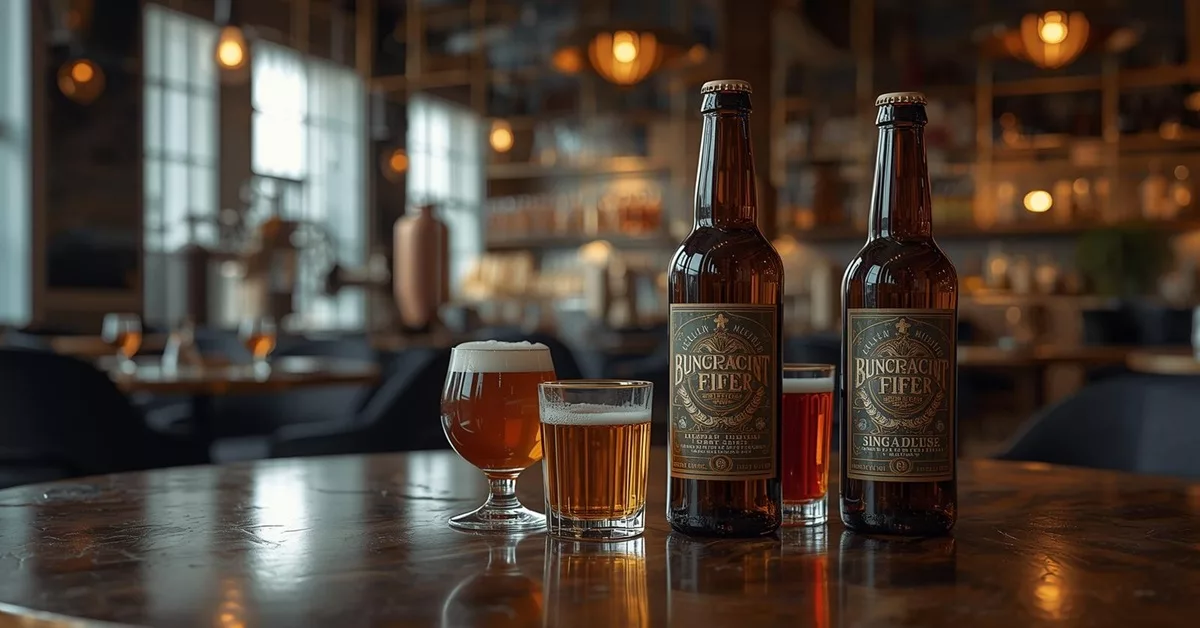
LeVeL33 sits on the 33rd floor of Marina Bay Financial Centre, making it the world’s highest urban microbrewery. They brew everything in-house, from a clean Blond Lager and a robust Stout to a properly hoppy IPA.
The real draw? That view. Floor-to-ceiling glass overlooking the bay makes a pint taste even better, especially during the golden hour. It is a place where you can bring someone you want to impress without feeling like you are trying too hard. The food backs it up too — think Wagyu beef sliders that do not feel like an afterthought.
Come late afternoon, when the sun starts to drop behind Marina Bay. The whole room changes as the light goes amber off the glass, and suddenly everyone at the table is talking more slowly. This is the spot when someone is visiting from out of town and you want them to remember why they came.
Where: 8 Marina Boulevard #33-01, Marina Bay Financial Centre Tower 1, Singapore 018981
When: Monday–Sunday, 11:30am to 12am
Price: Atas, but fair for the spot
Website: level33.com.sg
Druggists

Druggists takes over a heritage shophouse on Jalan Besar with 23 taps that rotate constantly. If you get bored easily, this is your spot. One visit might pour a hazy IPA from a tiny Scandinavian brewery; the next could be a barrel-aged stout that needs half an hour just to open up.
The bar itself feels intimate, the kind of place where you can lean in and actually talk. They pair the beers with modern Asian dishes, and the team knows their stuff — if you are not sure what to order, just tell them what you usually like and let them guide you. It works for both the newbie who only knows “beer is beer” and the guy with a spreadsheet of untappd check-ins.
Evenings here have a proper arc. Arrive with a small group, claim the corner table, and let the bar staff walk you through whatever just went on tap. It suits the kind of night where no one is checking their phone and the plan is simply to stay until the conversation runs out of steam.
Where: 69 Jalan Besar, Singapore 208679
When: Mon–Thu 4pm–12am, Fri–Sat 4pm–1am, Sun 4pm–11pm
Price: Mid-range, small-batch pricing
Website: druggists.sg
We put this list together ourselves – nobody paid to be on it. If you run something that belongs here, tell us about it.
Good Luck Beerhouse

Tucked along Haji Lane, Good Luck Beerhouse keeps it simple and does it well. Rotating taps pull in crisp lagers and bold sours from both global and local breweries, all served cold as they should be. The space has a rustic, lived-in charm that suits the neighbourhood.
It is the sort of place where you can roll in on a lazy Sunday afternoon, grab a pint, and order a Hainanese katsu curry that actually hits the spot. No fuss, no pretension. If you are exploring the Restaurants on Amoy Street area earlier in the day, this makes a natural next stop when the sun goes down.
The sweet spot is Sunday, three-ish, when Haji Lane is busy but not chaotic. Grab a seat by the window, order something cold and sour, and watch the lane do its thing. It rewards the aimless afternoon — the one where you told your kaki agak agak two hours and ended up staying four.
Where: 9 Haji Lane, Singapore 189202
When: Monday–Sunday, 12pm to 12am
Price: Easy on the wallet
Website: goodluckbeerhouse.com
Smith Street Taps

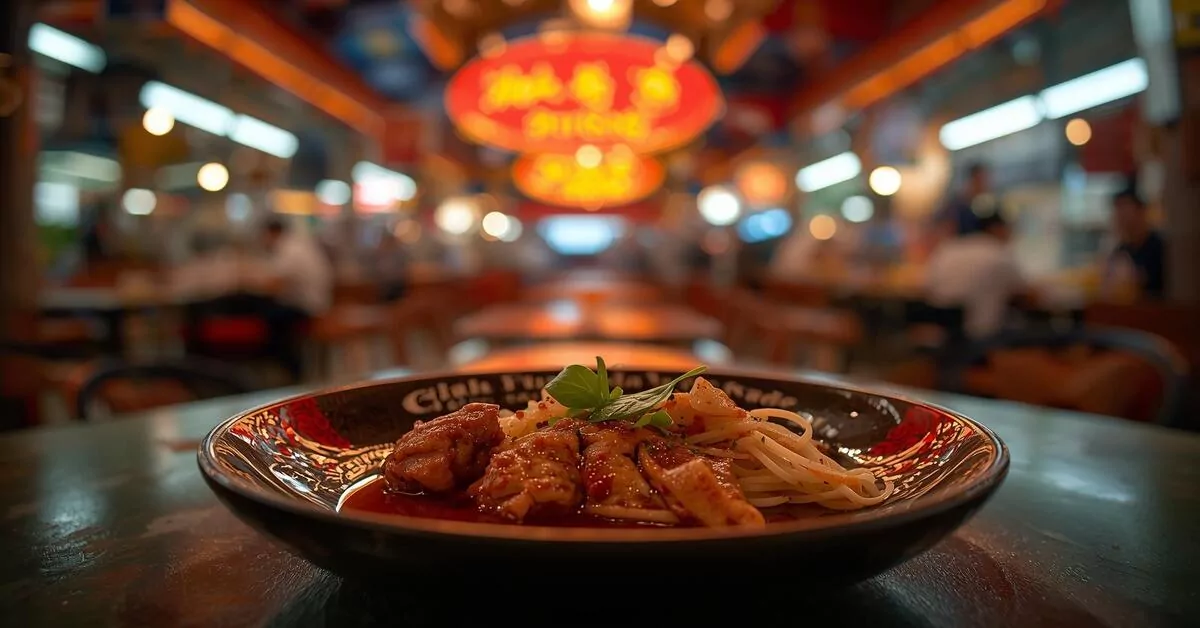
Smith Street Taps operates out of a hawker centre. Let that sink in: a legitimate craft beer stall on the second floor of Chinatown Complex, right alongside all the makan legends. They have been here since the early days of the scene and still pull a crowd.
The tap list changes often, covering hoppy IPAs, rich porters, and whatever else the team feels like pouring that week. Grab a beer flight so you can try a few, then chope a table nearby and order proper hawker food to go with it. The whole thing feels very Singapore — unpolished, real, and damn shiok. If you are the sort who likes hunting down good Zi Char Destinations in Singapore’s West for Discerning Diner, you will get the appeal here immediately.
Go early evening when the hawker centre is fully awake. Secure a table first, then divide labour: someone holds the seats, someone queues for the beer flight, someone raids the char kway teow stall. The magic is sitting there with a small IPA, surrounded by the full chaos of Chinatown Complex, thinking this is properly shiok.
Where: 335 Smith Street, #02-062, Chinatown Complex, Singapore 050335
When: Tue–Sat 5pm to 10:30pm, closed Sun–Mon
Price: Hawker-friendly
Website: facebook.com/smithstreettaps
Brewerkz

Brewerkz has been around long enough to feel like old news, but that is exactly the point — they have had years to dial in their recipes. The Golden Ale and Oatmeal Stout are staples for a reason, and seasonal releases keep things interesting for regulars.
Their Riverside Point outlet puts you right by the water, and the full kitchen means you can make a proper dinner out of it. Gourmet burgers and sharing platters complement the beer without trying to steal the show. If you are planning a group outing and one person is still on the fence about craft beer, Brewerkz is a steady bet. The Restaurants in CHIJMES have a similar vibe — polished but not stiff, good for a mixed crowd.
This one works for the group dinner where half the table does not normally drink craft beer. The menu is wide enough to find something for everyone, and sitting by the water at Riverside Point gives the evening a relaxed, almost holiday feel. Arrive hungry and make an evening of it.
Where: 30 Merchant Road, #01-05/06, Riverside Point, Singapore 058282 (more outlets available)
When: Mon–Thu 12pm–12am, Fri–Sat 12pm–1am, Sun 11am–11pm
Price: Mid-range, value for consistency
Website: brewerkz.com
Almost Famous Craft Beer Bar

Almost Famous on Kandahar Street brings a bit of style to Kampong Glam. The tap list leans into bold IPAs, crisp pilsners, and experimental sours, often pulling from names like DEYA and Track. They do not just stock beer — they seem to enjoy finding stuff you have not tried before.
Gourmet bar bites on the side, and the staff can point you toward a pairing if you ask. The room itself is modern and comfortable, good for a date or a catch-up where you actually want to hear each other. You could spend an afternoon hunting Durian Destinations in Singapore for Discerning Connoisseur and then walk over here to cool down with a sour.
Date-night energy, especially in the early part of the evening when Kampong Glam is lit up and the room feels tucked away from the street. The tap list gives you something to talk about, and the staff know their bottles. Order a sour neither of you has tried and let that be the opener.
Where: 30A Kandahar Street, Singapore 198890
When: Monday–Sunday, 4pm to 12am
Price: Mid-range
Website: almostfamous.sg
We put this list together ourselves – nobody paid to be on it. If you run something that belongs here, tell us about it.
Quality Drops Craft Beer

Quality Drops is the answer for nights you cannot be bothered to leave the house but still want something better than the supermarket shelf. It is an online-only operation that offers a handpicked range from breweries like Vault City, Polly’s, and Mash Gang, covering hazy IPAs, rich stouts, and even non-alcoholic options.
Free cold delivery kicks in for orders over S$100, which is easily hit if you are stocking up for a weekend gathering. The selection feels personal, not like someone just emptied a warehouse into a catalogue. It is for the person who likes good beer but also likes their own sofa.
This is advance planning for a night you are hosting, or a weekend when heading out feels shag. Browse the site midweek, hover around the hazy IPAs, hit the delivery threshold, and by Friday the fridge is ready. It turns a stay-home evening into the kind you jio a few close friends for.
Service: Online only, delivery across Singapore
Support hours: Mon–Fri, 9am to 6pm
Price: Free cold delivery above S$100
Website: qualitydropsbeer.com
How to choose
Start by asking what kind of evening you actually want. Bringing a client or a date? LeVeL33 gives you that skyline moment. Meeting an old friend who appreciates variety? Druggists and Almost Famous both do an ever-changing tap list, though Druggists feels more tucked-away while Almost Famous is right in the Kampong Glam buzz.
Hawker-centre-and-a-cold-beer is its own category — Smith Street Taps owns that lane. Good Luck Beerhouse is the casual afternoon candidate, especially if you are already around Haji Lane.
Brewerkz is the safe pick for a mixed group that wants a full kitchen and a riverside table. Quality Drops is for home drinkers who still care about what is in the glass. Price-wise, you will pay more for a marina-front view than a hawker-centre stool, but none of these places are unreasonable for what they offer. Expect around S$12–S$18 a pint at most sit-down spots; flights and smaller pours help if you want to sample widely.
| Venue | Vibe | Selection Style | Food? |
|---|---|---|---|
| LeVeL33 | Sky-high, polished | In-house brewery, core range | Full menu, Wagyu sliders |
| Druggists | Intimate heritage shophouse | 23 rotating taps, small-batch | Modern Asian dishes |
| Good Luck Beerhouse | Casual, rustic Haji Lane | Rotating global and local | Hearty fare, katsu curry |
| Smith Street Taps | Hawker centre, unfussy | Eclectic rotating taps | Hawker food around you |
| Brewerkz | Lively riverside | House-brewed, seasonal | Burgers and sharing platters |
| Almost Famous | Chic, modern Kampong Glam | Handpicked global, bold styles | Gourmet bar bites |
| Quality Drops | Your own home | Handpicked online, cold delivery | Your own fridge |
Summary
Singapore’s craft beer spots have grown up. You can now drink a world-class hazy IPA on the 33rd floor, in a century-old shophouse, or next to a chicken rice stall — all in the same evening if you really plan it well. Seven solid places, seven different reasons to go.
Disclaimer: Details can change after we publish — hours shift, taps rotate, kitchens close early. Always confirm directly with the business before making plans.
Read next
Frequently asked questions
Do these places serve food or just beer?
Most have proper food. LeVeL33 and Brewerkz run full kitchens. Good Luck Beerhouse does hearty dishes like katsu curry. Smith Street Taps sits inside a hawker centre, so you eat what is around you. Druggists and Almost Famous both offer food pairings. Quality Drops is pure delivery — you handle the snacks.
Which is best for a group with different beer tastes?
Brewerkz is the easiest answer. A core range of house-brewed beers plus seasonal releases means everyone finds something. The riverside location and full menu help too. Druggists is also strong if your group is adventurous — 23 rotating taps cover a lot of ground.
Do I need to book ahead?
For LeVeL33, yes — especially if you want a window table. Most other spots accept walk-ins, though a quick call on a Friday night never hurts. Smith Street Taps is truly first-come-first-served in the hawker centre.
Is there a non-alcoholic option at these places?
Quality Drops stocks non-alcoholic craft options. For the sit-down bars, check directly — selections change and not all carry them regularly.
Can I buy bottles or cans to take home?
Quality Drops is built entirely around that. Some bars like Druggists and Almost Famous occasionally sell packaged beer to go, but it varies. Confirm with the business if you are planning to stock up.
Which spot opens the earliest?
Good Luck Beerhouse opens at 12pm daily. LeVeL33 follows at 11:30am. Most other venues open at 4pm or 5pm.