Last updated 11 August 2026. This page was reviewed on that date. Prices, rates and opening hours change often in Singapore — confirm anything that matters directly with the business before you travel or spend.
Quick answer: Jumbo Seafood is the go-to for the classic East Coast chilli crab experience, Roland Restaurant lays claim to the original eggless recipe from the 1950s, and Mellben Seafood draws crowds for its claypot crab soup alongside its chilli crab. Long Beach is the one when black pepper crab matters as much as chilli, and Keng Eng Kee gives you that sweet, eggy sauce in a lively zi char setting.
If you think you know chilli crab, think again. This dish wears many masks across Singapore: a decades-old family recipe without a drop of egg, a claypot sister dish that outshines the crab itself, and a sweet-savoury velvet coating at a zi char haunt where the queues start before six. Your mission is to find the version you didn’t know existed.

If none of these quite fit, Best Seafood in Singapore has 12 lists covering the rest of the category.
Jumbo Seafood

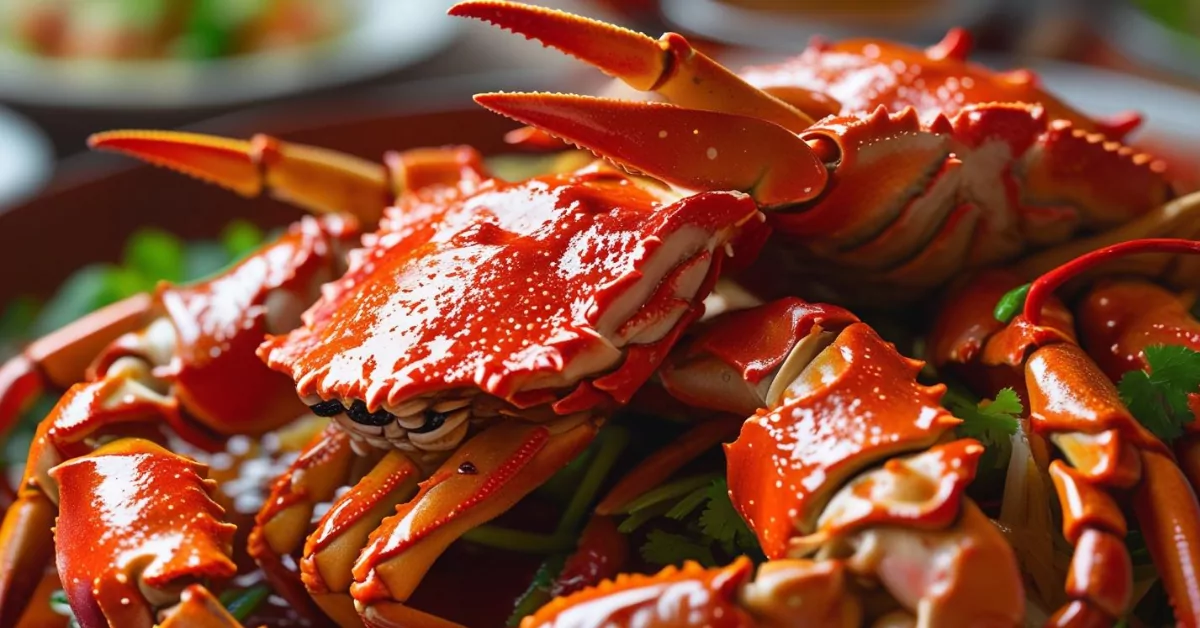
Since 1987, Jumbo Seafood at the East Coast Seafood Centre has been the name that pops into your head the moment chilli crab cravings hit. It is where you take out-of-town relatives and where birthdays feel properly marked, with the clatter of cracking claws and the sea breeze drifting in. Their signature chilli crab uses plump Sri Lankan crabs, stir-fried in a tomato-based sauce that builds its heat slowly, enriched with egg that makes the gravy lush and silken. You order a basket of golden fried mantous on the side – no one here leaves a drop of sauce behind. Black pepper crab and salted egg yolk prawns round out the table, but the chilli crab is the main event.
Worth the trip because the quality holds steady across decades, the crabs are live and weighty, and the whole production feels like a proper seafood celebration. The setting is casual but lively, with families and large groups making most of the noise.
Gatherings begin here. Pick your crab from the tanks and watch the tomato-rich sauce work its slow heat while the sea breeze drifts through the East Coast space. It suits out-of-towners and birthdays that need a little theatre – order a large crab, grab a bib, and let the cracking begin.
Location: Block 1206 East Coast Parkway, #01-07/08 East Coast Seafood Centre, Singapore 449883
Phone: +65 6442 3435 (WhatsApp +65 9819 4974)
Hours: Monday–Friday: lunch 11.30am–3pm, dinner 4.30pm–11pm; Saturday & Sunday: 11am onwards (call to confirm timing)
Website: jumboseafood.com.sg
Best for anyone who wants a proven, generous, and thoroughly satisfying crab dinner by the coast without any guesswork. It is the dependable choice when the occasion calls for a classic, crowd-pleasing feast.
If you are also mapping out Singapore’s rich Peranakan food, have a look at our Finest Nyonya Culinary Experiences in Singapore – it pairs beautifully with a seafood mindset.
Long Beach Seafood

Long Beach Seafood has been around since 1982 and originally made its name with black pepper crab. Their chilli crab, though, is a robust, spicy affair that holds its own – a deep, aromatic sauce clinging to fresh, live crabs that can be ordered in varying sizes, including air-flown special varieties when you really want to go all out. The kitchen is also known for cereal prawns and bamboo clams, so your table builds into a feast with momentum. The Robertson Quay outlet sits riverside, lighting up at dusk with a polished but relaxed air.
The big draw: you get the black pepper crab – their invention – alongside a seriously punchy chilli crab, and the menu pushes beyond the standard with premium seafood and creative plates. It is the spot where you might order something new and feel you have made a discovery.
Nothing on this page is a paid placement. If you know a place that should be here, let us know before the next update.
Come here when you want chilli crab with a proper spicy, aromatic kick. The kitchen’s black pepper origins give the sauce a depth that heat-lovers will appreciate. Ask about the air-flown specials for a real celebration, and round out the table with cereal prawns to share.
Location: 60 Robertson Quay, #01-14 The Quayside, Singapore 238252
Phone: +65 6336 3636
Email: [email protected]
Hours: Monday–Friday: lunch 11am–3pm, dinner 5pm–11.30pm; Saturday, Sunday & public holidays: 11am–11.30pm
Website: longbeachseafood.com.sg
Ideal when you want an elegant riverside dinner that is as much about the black pepper crab as the chilli, and a menu that rewards adventurous ordering with ingredients you do not see everywhere.
Red House Seafood

Red House Seafood brings a Nanyang-style elegance to chilli crab. Their sauce leans tangy and deeply spicy, wrapped around meaty Sri Lankan mud crabs, and the whole dish feels richly layered without being heavy. They are quietly serious about sustainable sourcing, so the seafood on your plate has a backstory of eco-conscious care. The Clarke Quay location adds a touch of riverside calm – tables spaced well, service attentive but not hovering.
The kitchen also does a salted egg prawn and steamed fish that complement the crab, but the thing that lingers is that sauce, egg-enriched and balanced. Worth it if you want a meal that feels thoughtful and upmarket, the kind of place where you linger a little longer over tea after the last mantou has been dipped.
A polished take on the dish, with a sauce that leans bright and tangy. The Clarke Quay location makes it the choice for a riverside date or a quiet family dinner. The eco-conscious sourcing is a quiet plus, and the calm, well-spaced tables mean you can actually hear the conversation.
Location: 3C River Valley Road #01-02/03 Singapore 179022
Phone: +65 6442 3112
Hours: Daily, including public holidays: lunch 12pm–2.30pm, dinner 5pm–10pm
Website: redhouseseafood.com
Great for a date or a small celebration where the setting matters as much as the crab, and you appreciate the understated luxury of a kitchen that takes its sourcing to heart.
If you enjoy seafood that comes with a sense of place and tradition, our Finest Halal Seafood Experiences in Singapore guide rounds up places that care just as deeply about their craft.
Mellben Seafood

Tucked in an Ang Mo Kio HDB estate, Mellben Seafood has been slinging crab since 1993 and landed in the Michelin Guide for a reason. Their chilli crab takes a milder path – less fiery heat, more slow-building depth – so the sweetness of the crab meat stays front and centre. But the dish that really pulls people through the door is the claypot crab vermicelli soup, rich and intensely savoury. You can order over 15 crab styles here, from butter crab to salted egg, so every visit can feel like a new project.
The draw is the sheer variety and the Michelin nod without any of the city-centre fussiness. The setting is functional, the service warm, and the focus is squarely on what lands on your plate. Come here when your group cannot agree on one crab style and everyone wants their own perfect pot.
The claypot crab vermicelli is the dish that pulls in the curious, with a rich, savoury broth that locals swear by. The chilli crab here takes a milder road, so the crab meat’s sweetness stays front and centre. With over 15 crab styles on the menu, come early – the Michelin nod keeps the queue steady.
Location: 232 Ang Mo Kio Avenue 3, St 22, #01-1222, Singapore 560232
Phone: +65 6285 6762
Hours: Daily, 5pm–10pm
Website: mellbensignature.sg
Perfect for crab purists, soup lovers, and anyone who wants a Michelin-recognised meal at heartland prices. If the claypot is calling you, die die must try.
For something completely different that is equally rich in comfort, you might enjoy our look at Finest Unagi Experiences in Singapore – grilled eel done right can scratch a similar umami itch.
Keng Eng Kee Seafood

Keng Eng Kee – KEK to those who eat here often – started as a humble hawker stall in the 1970s and grew into a Michelin-recognised zi char institution. Their chilli crab is eggier and sweeter than most, the sauce thick and velvety, coating every piece like a warm, spicy blanket. The atmosphere is pure zi char energy: bright lights, packed tables, the sizzle of woks never far away. Moonlight hor fun and coffee pork ribs are the other signatures that make crab night here feel like a full-blown Singaporean feast.
The value is in the heritage and the saucier, sweeter profile that many locals grew up with. It is the kind of place where the team remembers regulars and the food tastes like it was cooked by someone who has been at it for generations – because they have.
This is chilli crab for the wok hei crowd: eggy, sweet, and thick enough to coat every piece. The fluorescent-lit bustle of a true zi char joint means you come for the energy, not the quiet. Order the moonlight hor fun alongside for a meal that will shag you out in the best way – plan for a weeknight queue from 6pm.
Location: 124 Bukit Merah Lane 1, #01-136, Singapore 150124
Phone: +65 6272 1038
Email: [email protected]
Hours: Daily: lunch 11am–2pm, dinner 5pm–10pm
Website: kek.com.sg
Suits anyone who wants zi char soul with their crab, that eggy-sweet style, and a noisy, happy meal where the hor fun is just as important as the main event.
Roland Restaurant

Roland Restaurant claims something no other place can: that their family invented chilli crab back in the 1950s. Their version sticks to an eggless, non-sambal gravy – a thinner, savoury sauce that lets the natural sweetness of large, roe-filled crabs do the talking. It is a taste of history, served from a sixth-floor perch in Marine Parade Central. The black pepper crab and homemade chilli sauce on the side show that the kitchen still has plenty of tricks, but the original recipe is the reason you make the trip.
Come for the bragging rights and the clean, old-school flavour profile. The dining room is modest and family-run; the experience feels like being let in on a secret that the rest of Singapore has only half-remembered.
Taste what chilli crab might have been like before it got fancy. The gravy is thin, eggless and purely savoury, meant to let the crab’s natural roe and sweetness lead. Tucked on a sixth floor in Marine Parade, it’s a pilgrimage for those who want to eat where the story began – no wayang, just original flavour.
Location: 89 Marine Parade Central, #06-750, Singapore 440089
Phone: +65 6440 8205 (WhatsApp +65 8948 9711)
Hours: Lunch – Monday–Saturday: 11.30am–2.30pm, Sunday & public holidays: 11am–2.45pm; Dinner – daily: 6pm–10pm
Website: rolandrestaurant.com.sg
Best for history buffs and purists who want to taste the dish as it supposedly began, without egg or sambal, and for whom the story matters as much as the crab.
Uncle Leong Seafood

Uncle Leong Seafood rose from a coffee shop stall to a family-run name with a loyal following, particularly at its Punggol East outlet near the water. The classic chilli crab here keeps things straightforward – fresh crabs in a sauce that is not overly sweet, letting the natural crab flavour carry the dish. The menu also wanders into creative territory with a shimmering sand crab delight and a curry paste crab, so there is room to explore if the classic is not enough.
The warmth of a family-run operation comes through: portions are generous, the team is helpful, and the vibe is relaxed enough for big, messy meals with kids and grandparents in the mix. It is the kind of spot where the crab arrives and the table goes quiet except for the cracking.
The Punggol outlet sits by the water, giving you a casual, breezy meal away from the city crush. Their classic chilli crab is clean-tasting and unfussy, but the real draw for the curious is the shimmering sand crab delight. Pair it with a post-meal lepak by the promenade.
Location: 6 Tebing Lane, #01-03, Punggol East, Singapore 828835
Phone: +65 6441 1848
Email: [email protected]
Hours: Monday–Thursday: 4.30pm–10pm; Friday: 4.30pm–11pm; Saturday: 12.30pm–11pm; Sunday: 12.30pm–10pm
Website: uncleleongseafood.com
Solid for families in the northeast, groups who want a no-fuss celebration, and anyone curious about the curry paste crab twist. The outdoor-adjacent setting on cooler evenings is a bonus.
If a good cup of coffee after your seafood feast sounds right, we have also written about the Finest Coffee Experiences in Singapore – a few of them are not far from these crab spots.
Jumbo Seafood (Riverside)

Jumbo Seafood was established in 1987; its Riverside outlet is located along the Singapore River.
You closed the deal. Now, this riverside classic. A table by the water. The tomato-chilli sauce is sharp and sweet. Every piece of crab demands your hands. Mantou dipped in gravy—pure shiok. You don’t rush here. You sit back and let the city lights flicker. You earned this view. You earned this mess. No other dinner feels quite this victorious.
Come early. The queue snakes. But once seated, the river air settles you. Tables spill outdoors. Order the chilli crab—they know why you’re here. The sauce arrives first, a promise. Then the crab, heavy on the platter. You use your hands. You tear the claws. You dip mantou until the plate is clean. Bring someone who doesn’t mind mess. This is not a solo meal. It’s a shared victory.
Products or Services
Chili Crab in a tomato-and-chili sauce, alongside Black Pepper Crab, Steamed Fish, and other seafood and Chinese dishes.
Contact Information & Location
- Location: 30 Merchant Road, #01-01/02, Riverside Point, Singapore 058282
- Phone: +65 6532 3435
- Operating Hours: Daily 11:30am-11pm (last order 10:15pm)
- Website: Jumbo Seafood (Riverside)
For a polished evening with out-of-town guests, this is the go-to. Come early on a weekday for a breezy riverside table before the queue snakes around. The air-conditioned comfort inside means no sweating over your crab. Order extra mantou—you’ll want every bit of that tangy tomato-chilli gravy. A steady, reliable choice when you need the full Singapore photo finish.
Palm Beach Seafood

Palm Beach Seafood started as a pushcart stall in 1956 and is credited by many food historians as the restaurant that originated Singapore-style Chili Crab, now serving it at its One Fullerton location.
You appreciate roots. This recipe has them. Perched at One Fullerton, you face the bay. The sauce tastes of tradition—balanced, tangy, just sweet enough. Each bite carries a story. You’re not just eating crab; you’re tasting how Singapore claimed this dish. The setting is crisp, the legacy earned. When you want a chili crab that respects its own history, this fits the occasion.
The bay view is not an afterthought. It’s the backdrop. Arrive before sunset. Claim a seat facing Marina Bay. The staff move with a quiet efficiency. You’re here for the crab, but the setting makes you pause. The sauce is balanced—you know this. Now watch the sky change colours. This is a meal that slows you down. You linger over the last piece of mantou. No one rushes you out.
Products or Services
Chili Crab in a spicy, sweet, and tangy sauce, alongside Black Pepper Crab and Coco-Lobo, a coconut-based seafood dish.
Contact Information & Location
- Location: #01-09, One Fullerton, 1 Fullerton Road, Singapore 049213
- Phone: +65 6336 8118
- Operating Hours: Daily 12-2:30pm, 5:30-10:30pm
- Website: Palm Beach Seafood
For a meal that doubles as a food-history lesson, this is the table to book. The waterfront setting at One Fullerton feels laid-back rather than buttoned-up. The sauce has a distinct tang that’s especially good with fresh mantou. Best for a sunset dinner with a few close friends; the early evening light makes the whole experience feel extra special.
No Signboard Seafood

No Signboard Seafood started as a hawker stall in the 1970s and is known primarily for its White Pepper Crab, with Chili Crab also on the menu at its Geylang outlet.
You don’t need signage. You follow the locals. The Geylang outlet is honest, bright, a little loud. The chili crab here surprises—rich, spicy, no frills. You know its sibling, the white pepper version, steals the spotlight. But this one holds its own. You came hungry. You left satisfied. That’s the whole point. No fuss, just a plate of crab that feels like a secret well-kept.
The fluorescent lights are unflattering. The tables are packed close. You hear the wok’s breath from the kitchen. This is zi char at its core. Order the chilli crab, but don’t skip the white pepper version. Share everything. The sauce stains your shirt—you don’t care. It’s late. The kopitiam next door still pours kopi. You came for a casual makan. You got a reminder why simplicity wins.
Products or Services
Chili Crab in a rich, spicy sauce, alongside signature White Pepper Crab, Hokkien Style Steamed Fish, and Crispy Cereal Crayfish.
Contact Information & Location
- Location: 414 Geylang Road, Singapore 389402
- Phone: +65 6842 3415
- Email: [email protected]
- Operating Hours: Published sources disagree on exact hours — call ahead to confirm before visiting.
- Website: No Signboard Seafood
When the craving hits past dinner hours, this Geylang stalwart has you covered. The late-night energy here is a draw in itself—tables filled with post-supper groups and the clatter of crab shells. The chilli crab sauce is rich and full-bodied, and you can easily add a white pepper crab if your party can’t agree. Arrive after 9pm for the full experience.
Holycrab

Holycrab began as a private dining experience in 2009, opened its first shop in 2017, and now operates from Capitol Arcade with a bar-dining setting.
You want more than tradition. Holycrab offers a dozen spins. The Singapore Red Chili Crab stays classic at its core—fresh Sri Lankan crab, sauce that bites. But the setting is a sleek bar. You can pair it with a cocktail. The meal feels modern, a little playful. You earned the right to break from routine. This isn’t your kopitiam uncle’s stall. It’s crab, but elevated.
The room is dim. Music hums. You’re not sure if it’s a bar or a crab shack. It’s both. Order a cocktail first. Something citrusy. The chilli crab arrives in a cast iron pan. The sauce is bold, not shy. You use the provided bib—this is still messy. But the vibe is different. It’s a date-night crab. You talk over the cracking of shells. Leave room for the crabmeat pasta. This is not your uncle’s zi char.
Products or Services
Singapore Red Chili Crab made with fresh Sri Lankan crab, alongside a menu of over a dozen crab flavour options; won the Epicurean Star Award Singapore 2020 for Most Innovative F&B Brand (Single Outlet).
Contact Information & Location
- Location: Arcade @ The Capitol Kempinski Hotel Singapore, 13 Stamford Road, #01-85, Singapore 178905
- Phone: +65 8444 2722
- Operating Hours: Daily — Lunch 11:30am-2:30pm; Dinner 5:30-10:30pm (last order 9:30pm)
- Nearest MRT: City Hall MRT (1 min walk)
- Website: Holycrab
Holycrab transforms crab into a full evening affair at Capitol Arcade, with over a dozen flavour riffs on the Singapore Red Chilli Crab. Fresh Sri Lankan crabs shine, and the bar-dining setting suits a date night or adventurous eaters. Come with a few hungry friends to sample widely—a smarter play than sticking to one classic sauce.
Finding Your Crab Vibe
Jumbo Seafood Riverside turns dinner into a production. River views, evening lights, a table worth booking ahead. It suits guests you want to impress, or a date that calls for atmosphere. The outdoor seats get you close to the water; inside, the vibe remains buzzy. If you want the full Singapore photo album, Jumbo delivers.
Palm Beach Seafood carries a quieter weight. Many trace the dish back to their heritage kitchen. Go for the story, and a crab that tastes like a piece of local lore. It’s a place for meaningful meals with family, where history adds warmth. Long Beach Seafood operates with an unshakeable rhythm—it’s where groups pile in for crab and cold beer, no pretence. Large tables full of friends, laughter over cracked shells. Their black pepper crab is a worthy detour. Holycrab offers a more intimate, slightly playful setting, perfect for a date or a small gathering that wants something a little different. No Signboard Seafood keeps things classic and unpretentious, an easy choice for a no-fuss family dinner where the focus stays squarely on the crab. The chilli crab itself is a constant; the setting and sides are where you decide.
How to choose
Your decision really comes down to sauce style, setting, and what else you want on the table. If you want the textbook version with egg and tomato richness that most Singaporeans picture when they hear “chilli crab,” Jumbo and Long Beach deliver that reliably. Keng Eng Kee does it eggier and sweeter, while Roland goes the other way entirely – eggless, old-school, savoury. Red House and Mellben each have a tangy, spicy depth, with Mellben’s being milder and especially good if someone in your group finds heavy spice sian.
The backdrop matters too. For sea views and a breezy evening, Jumbo at East Coast hits the mark. For riverside dining in town, Long Beach at Robertson Quay is steady and polished. Red House’s Clarke Quay spot offers a refined calm. Mellben and KEK give you heartland, zi char energy – come in shorts, leave with a full belly. Roland’s sixth-floor location is a quiet throwback, and Uncle Leong lets you eat near the water up at Punggol. Think about the mood you are after: loud and messy, or quiet and celebratory.
Also think about the supporting dishes. Long Beach is known for black pepper crab; Mellben for claypot crab vermicelli soup; KEK for moonlight hor fun and coffee pork ribs. Most places price crab by weight, so ask about the market rate when you order – it is normal for a large Sri Lankan or mud crab to run from moderate to high, and a feast for four with mantous and sides can easily climb. Call ahead to check the live crab stock, especially on weekends, and do not be shy about asking the staff what size crab suits your party best. A good tip: if you are going in a big group, book in advance and let the restaurant know you are coming for crab so they can reserve a table and the freshest catch.
| Restaurant | Chilli Crab Sauce Character | Other Must-Try Dish | Location |
|---|---|---|---|
| Jumbo Seafood | Egg-enriched, tomato-based, balanced heat | Black pepper crab | East Coast Seafood Centre |
| Long Beach Seafood | Bold, spicy, aromatic | Black pepper crab (originator) | Robertson Quay |
| Red House Seafood | Tangy, spicy, Nanyang-style | Salted egg prawns | Clarke Quay |
| Mellben Seafood | Milder, deeply savoury | Claypot crab vermicelli soup | Ang Mo Kio |
| Keng Eng Kee Seafood | Eggier, sweeter, velvety | Moonlight hor fun | Bukit Merah Lane 1 |
| Roland Restaurant | Eggless, thinner, savoury | Homemade chilli sauce | Marine Parade Central |
| Uncle Leong Seafood | Not overly sweet, classic | Shimmering sand crab delight | Punggol East |
Summary
Every one of these kitchens knows its crabs. Jumbo remains the reliable crowd-pleaser, Roland holds the original recipe, and Mellben brings Michelin recognition and crab soup worth crossing the island for. Long Beach gives you the black pepper origin story alongside a strong chilli crab, KEK pours on the eggy sweetness in a zi char atmosphere, Red House leans Nanyang and sustainable, and Uncle Leong keeps it family-style in the northeast. Your plate, your people, and the sauce you remember the next day – that is the real measure.
Nothing on this page is a paid placement. If you know a place that should be here, let us know before the next update.
Disclaimer: All information provided here has been compiled from publicly available sources. While we have made every effort to ensure accuracy, we do not guarantee that the information is complete or error-free. We disclaim any liability for inaccuracies or omissions. If you find any errors or have concerns about the content, please let us know so we can address them promptly.
Finding Your Crab Vibe
Jumbo Seafood Riverside turns dinner into a production. River views, evening lights, a table worth booking ahead. It suits guests you want to impress, or a date that calls for atmosphere. The outdoor seats get you close to the water; inside, the vibe remains buzzy. If you want the full Singapore photo album, Jumbo delivers.
Palm Beach Seafood carries a quieter weight. Many trace the dish back to their heritage kitchen. Go for the story, and a crab that tastes like a piece of local lore. It’s a place for meaningful meals with family, where history adds warmth. Long Beach Seafood operates with an unshakeable rhythm—it’s where groups pile in for crab and cold beer, no pretence. Large tables full of friends, laughter over cracked shells. Their black pepper crab is a worthy detour. Holycrab offers a more intimate, slightly playful setting, perfect for a date or a small gathering that wants something a little different. No Signboard Seafood keeps things classic and unpretentious, an easy choice for a no-fuss family dinner where the focus stays squarely on the crab. The chilli crab itself is a constant; the setting and sides are where you decide.
Read next
Frequently asked questions
Which place has the most traditional, old-school chilli crab recipe?
Roland Restaurant serves an eggless chilli crab with a spiced gravy that traces back to the 1950s – what they say is the original Singapore formula. It is thinner and savoury, letting the crab’s sweetness stand out.
I want the classic East Coast chilli crab experience. Where do I go?
Jumbo Seafood at the East Coast Seafood Centre is the textbook choice: Sri Lankan crabs, egg-enriched tomato sauce, golden mantous, and lively seaside atmosphere. It has been the reference point for decades.
Which chilli crab spot is best for families with young children?
Uncle Leong Seafood in Punggol East and Keng Eng Kee in Bukit Merah both have a relaxed, no-fuss vibe. Uncle Leong’s outdoor-adjacent setting and KEK’s zi char energy work well for big, messy family meals.
Are there Michelin-recognised places for chilli crab in Singapore?
Mellben Seafood has been in the Michelin Guide since 2019, and Keng Eng Kee has been featured from 2016 to 2025. Both are heartland locations that focus squarely on the food.
Which restaurant also does a very good black pepper crab?
Long Beach Seafood is the originator of black pepper crab and makes it a star alongside their chilli crab. Jumbo Seafood also has a strong black pepper crab that regulars order without hesitation.
Can I order different crab styles at one restaurant?
Mellben Seafood offers over 15 crab variations – from butter crab to claypot soup – so a group can try several in one sitting. Uncle Leong and Long Beach also have creative crab dishes beyond the classic chilli version.