

Heart Rate: Understanding and Improving Your Cardiovascular Health
Have you ever wondered why your heart beats faster when you’re excited or slows down when you’re resting? Understanding your heart rate is crucial for monitoring your health and fitness. A normal heart rate varies depending on age, activity, and overall health. Knowing what affects your heart rate can help you manage stress and improve your physical well-being.
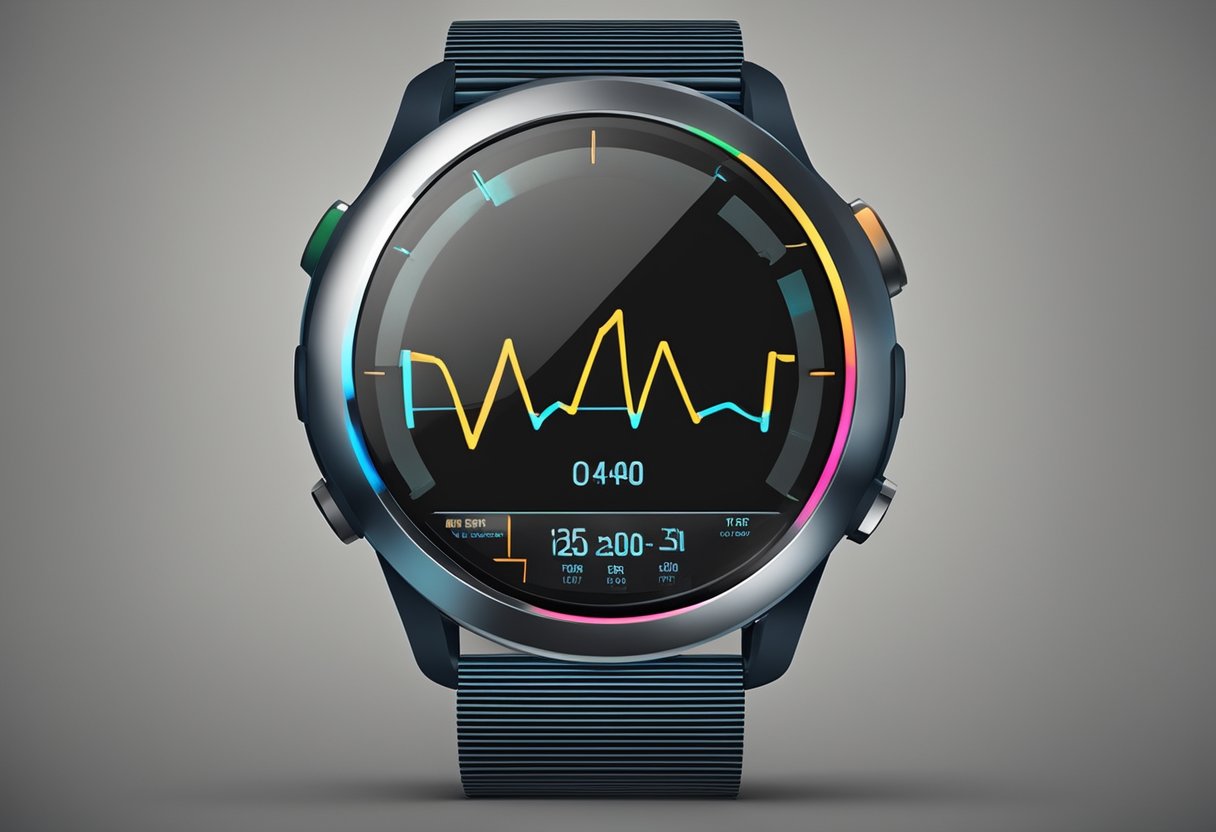
Your resting heart rate gives you a good indicator of your heart’s health. Factors like age, fitness level, and even medication can influence your heart rate. When exercising, paying attention to your heart rate ensures you’re working out in a safe and effective range. Measuring your pulse helps you understand if your heart rate is within the normal range and if there might be potential health issues.
From measuring your heart rate to understanding its implications for your lifestyle, keeping track of these beats per minute is key to staying on top of your health. Whether you are a fitness enthusiast or simply want to maintain a healthy lifestyle, knowing your target heart rates can greatly benefit you.

Key Takeaways
- Understanding your heart rate helps monitor health and fitness.
- Normal heart rates vary by age, activity, and health.
- Checking your pulse can indicate health issues and exercise effectiveness.
Understanding Heart Rate
This section covers important aspects of heart rate, including how it’s linked to your health, how you can measure it, and the factors that can influence it.

Basics of Heart Rate and Health
Heart rate, also known as pulse, is the number of times your heart beats per minute (bpm). Your heart rate provides insight into your cardiovascular and overall health. A normal resting heart rate for adults ranges from 60 to 100 bpm. When you exercise, your heart rate increases to supply more oxygen-rich blood to your muscles.
Understanding your heart rate can help monitor your fitness levels and indicate potential health problems. For instance, a consistently high resting heart rate may signal cardiovascular disease or high cholesterol issues.
Measuring Your Heart Rate
You can measure your heart rate by checking your pulse. The most common places to find your pulse are on your wrist (radial artery) and neck (carotid artery).
To measure it, place two fingers lightly over the artery and count the number of beats in 15 seconds, then multiply by four. This simple method can help you monitor your resting heart rate, target heart rate, and maximum heart rate during different activities.
Using digital tools like fitness trackers or smartwatches can also help you measure and track your heart rate accurately over time.
Factors Affecting Heart Rate
Many factors can affect your heart rate. These include physical activity, emotional state, age, air temperature, body position, and medications. Stress and anxiety often increase heart rate. Hormones like adrenaline boost your heart rate, while medications like beta-blockers can lower it.
Your fitness level plays a key role too. Regular cardio exercise strengthens your heart muscle, making it work more efficiently and often lowers your resting heart rate. Monitoring these factors can provide insights into your heart health.
Heart Rate Ranges by Age
Your age affects what is considered a normal heart rate. For example, a baby may have a resting heart rate of 120 bpm, while a teenager’s heart rate ranges from 70-100 bpm. For adults, a typical resting heart rate ranges from 60-100 bpm.
Your maximum heart rate is roughly calculated by subtracting your age from 220. For a 30-year-old: Maximum heart rate = 220 – 30 = 190 bpm. Achieving 50 to 85 percent of this maximum rate during exercise can help improve cardiovascular health.
Monitoring heart rate across different ages helps maintain health and tailor exercise routines effectively.
Heart Rate in Relation to Lifestyle and Activities

The way you live and the activities you perform can greatly affect your heart rate. From exercise to stress and other lifestyle factors, many things can change how fast or slow your heart beats.
Exercise and Physical Activity
When you exercise, your heart rate increases to pump more oxygen-rich blood to your muscles. Moderate-intensity activities, like brisk walking, usually raise your heart rate to 50-70% of your maximum. Vigorous activities like running can push it to 70-85%.
If you are an athlete, your resting heart rate might be lower because your heart is more efficient. For example, a well-trained athlete might have a resting heart rate (RHR) as low as 40 bpm. Regular workouts can help reduce RHR and improve physical fitness. Make sure you monitor your heart rate to stay in your target heart rate zone and avoid overexerting yourself, which can lead to tachycardia or other complications.
Effects of Stress and Emotions
Stress and strong emotions can cause your heart rate to spike. When you’re stressed or anxious, your body releases adrenaline, making your heart beat faster. Even emotions like excitement or fear can have a similar effect.
Chronic stress can lead to a higher resting heart rate and increase the risk of heart problems. It’s important to find ways to relax, like deep breathing or meditation, to keep your heart rate in check. If you often feel stressed, talking to a healthcare provider can help you manage your symptoms better.
Impact of Lifestyle Factors
Your overall lifestyle has a big impact on your heart rate. Smoking, for instance, can raise your heart rate and lead to long-term heart disease. Medications like beta blockers can lower your heart rate and are often prescribed for high blood pressure or chronic diseases.
Body size also plays a role. Larger people might have a higher resting heart rate. Lack of sleep can lead to a higher heart rate, while regular, quality sleep helps maintain a healthy rate. Weight gain can increase your heart rate, whereas losing weight through healthy eating and exercise can lower it.
Using a wearable activity tracker can help you keep an eye on your heart rate throughout the day. Regular check-ups with your healthcare provider are important to ensure your heart rate remains in a healthy range and to address any abnormal findings promptly.
Frequently Asked Questions
Understanding your heart rate can help you manage your health. Here are some common questions and answers about heart rate.
What constitutes a normal resting heart rate for different age groups?
For adults, a normal resting heart rate ranges from 60 to 100 beats per minute (bpm). Children typically have higher resting heart rates than adults. Newborns, for example, might have a resting heart rate from 120 to 160 bpm. As you age, expect a slight decrease in your resting heart rate.
At what point does a heart rate become unsafe or cause for concern?
A heart rate below 40 bpm or above 100 bpm at rest can be risky for adults. These limits can vary depending on individual health conditions. If your heart rate is consistently outside this range, consult a healthcare professional.
How does resting heart rate differ between men and women?
Generally, men tend to have a slightly lower resting heart rate than women. Women’s resting heart rates are often around 7-10 bpm higher than men’s, possibly due to differences in heart size, hormonal levels, and other physiological factors.
How can one interpret a resting heart rate chart?
Resting heart rate charts categorise normal ranges based on age and fitness level. These charts can help you determine if your heart rate falls within a healthy range. It’s important to take note of patterns over time rather than a single reading.
What factors might contribute to an unhealthy heart rate?
Various factors can affect heart rate, including stress, lack of physical activity, poor diet, smoking, and chronic illnesses like diabetes or hypertension. Being aware of these can help you take steps to maintain a healthy heart rate.
Is there a distinction between pulse rate and heart rate?
Pulse rate and heart rate are terms often used interchangeably. Both measure the number of beats per minute. The main difference is that pulse rate can be felt at various points on your body, like the wrist, whereas heart rate is typically measured through more direct means like an electrocardiogram (ECG).