Last updated 7 August 2026. This page was reviewed on that date. Prices, rates and opening hours change often in Singapore — confirm anything that matters directly with the business before you travel or spend.
Quick answer: The best food stalls in Lau Pa Sat right now are Feng Xiang Bak Kut Teh for comforting herbal soup, Thunder Tea Rice for a clean, wholesome bowl, LiXin Teochew Fishball Noodles for bouncy handmade fishballs, Nasi Lemak Ayam Taliwang for a spicy Lombok kick, Rokus A.G.B for Korean-style burgers late at night, Kallang Airport Wanton Noodle for old-school char siew noodles, and Qiu Lian Ban Mian for hearty handmade noodles. Each one holds its own in this CBD icon.
If you were hoping to enjoy these hawker favourites without leaving your desk, the full list is in our Lau Pa Sat delivery guide.

Lau Pa Sat can feel like a choose-your-own-adventure where half the pages are just average. For the office crowd around Raffles Quay, lunch is a tactical decision – you want a stall that rewards the queue time with a proper meal, not a tourist snapshot. These seven deliver exactly that, whether you’re nursing a rainy-day craving or hunting a late-night bite after the bars close.
If none of these quite fit, Best Food in Central Singapore & the City has 70 lists covering the rest of the category.
Feng Xiang Bak Kut Teh

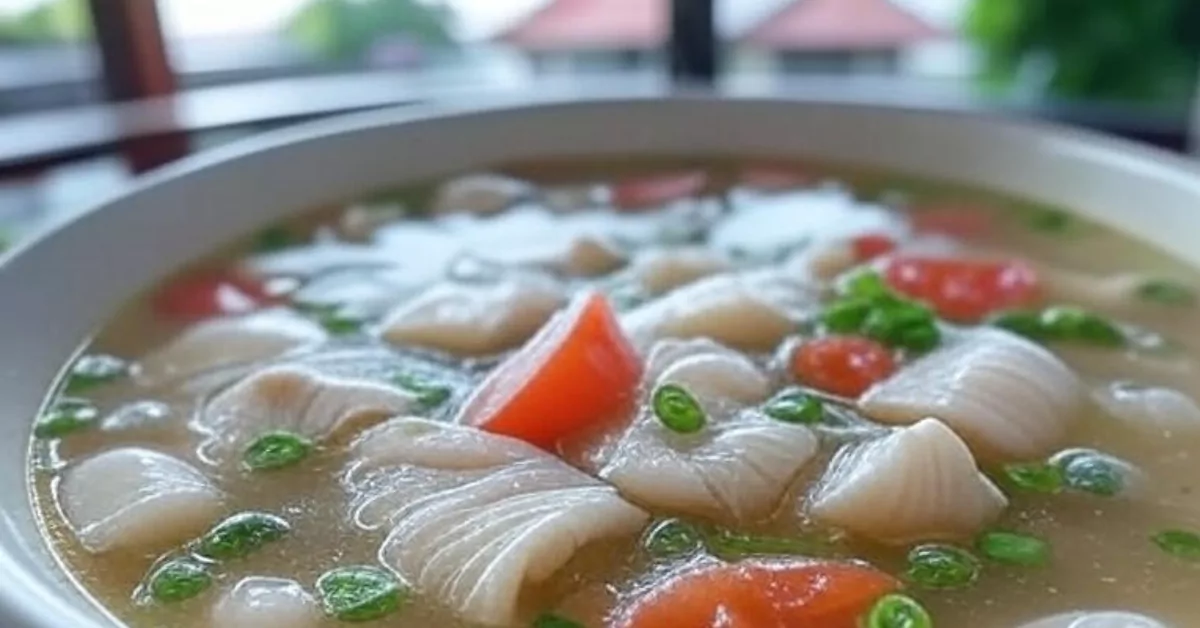
On a rainy lunch break in Raffles Quay, you want something that warms you from the inside. Feng Xiang does exactly that with its Cantonese-style herbal bak kut teh. The soup is the star here – deep, fragrant, and full of tender pork ribs that slide off the bone. They also do a mixed pig organ fried porridge that’s creamy and surprisingly comforting, even when the humidity hits. It is the kind of stall you return to when you need a proper reset meal.
Stall 27 at Lau Pa Sat, 18 Raffles Quay. Open roughly 11am–10pm daily. Check their website for exact hours because the market timetable can shift.
If you are the sort who thinks a good meal should feel like it is taking care of you, this is your spot. The herbal broth is the main event – it is not heavy, just clean and thorough. Visit Feng Xiang Bak Kut Teh
None of these are sponsored placements. If you belong on this list, tell us what you do.
Related: Best Restaurants on Club Street Singapore — for dinner in the CBD after work.
Go for the herbal bak kut teh; skip the fried porridge if offal isn’t your thing. The soup arrives hot enough to fog your glasses, and the ribs don’t put up a fight. Office workers in the know come at 11.30am, before the noon crush turns the queue into a 15-minute wait.
Thunder Tea Rice

Some days you just want to eat clean and walk away feeling light. Thunder Tea Rice, tucked at stall 12, serves a Hakka bowl that piles on vegetables, nuts, and a green tea paste you stir in yourself. Add fish fillet or prawn rolls if you need more heft. The tea is fresh, almost grassy, and the whole thing comes together in a way that makes you wonder why you do not eat like this more often. Vegetarians have a proper option here, which is not always a given in a hawker centre.
Lau Pa Sat, 18 Raffles Quay, Stall 12. Open 7am–11pm daily. Phone: 8887 0859. A bowl runs under $7; add-ons push it a little higher.
This stall really shines for the health-conscious office crowd and anyone who wants a break from fried hawker food without sacrificing flavour. Come early if you want the full spread – some toppings sell out by late afternoon. Visit Thunder Tea Rice
After you work through this list, you might enjoy our Culinary Gems at Lau Pa Sat That Define Singapore’s Sophisticated Palate for another angle on the same market.
The kind of meal that makes your body say thank you – go easy on the fish add-ons if you’re after the full vegetarian reset. The tea paste has an earthy edge that grows on you. It’s a quiet, methodical eat, best tackled when you have a proper lunch break, not a rushed 20 minutes.
Once you start wondering which stalls truly earn the lunchtime queue, you will want our Lau Pa Sat queuing guide.
LiXin Teochew Fishball Noodles

LiXin has been at this long enough to earn a Michelin Bib Gourmand, and you can taste why with one bite of their fishballs. Made from yellowtail fish with no filler, each one has a clean bounce that feels deliberate, not accidental. The noodles come in a clear broth or tossed dry with minced meat and a slick of sauce – the dry version with chilli is the one the regulars order without even looking at the board. Stall 32, Lau Pa Sat, 18 Raffles Quay. Usually 10am–10pm. Budget about $5 to $7.
Good for anyone who appreciates hawker food that has been refined over years, not weeks. It is simple, but the kind of simple that takes skill. Visit LiXin Teochew Fishball Noodles
None of these are sponsored placements. If you belong on this list, tell us what you do.
The fishballs have a bounce that tells you there’s no filler – it’s a texture worth chasing. Order the dry version with extra chilli and don’t overthink it. The queue snakes but moves fast; a lunch buddy to chope a table while you wait is a smart move.
Nasi Lemak Ayam Taliwang

The Michelin Guide noticed this stall for good reason – the ayam taliwang is a Lombok-style grilled chicken that lands crisp and smoky, then gets drenched in a fiery sambal that wakes up your whole head. Coconut rice anchors the heat, and the set includes the usual nasi lemak trimmings. They also do a chicken fillet curry rice that is gentler, but honestly, you come here for the taliwang. Stall 71, Lau Pa Sat. A full set runs around $7 to $9. They open till midnight, which makes this a solid supper pick when you are near Boat Quay late.
If you like spice with depth and not just raw heat, this is your stall. It suits the after-work crowd who want something bold before heading home. Visit Nasi Lemak Ayam Taliwang
For a broader look at the market, our Must-Try Food Stalls at Lau Pa Sat rounds up other worth-your-time options.
The sambal here doesn’t play nice – it’s a proper Lombok-style burn that lingers. The coconut rice tempers it just enough. Come for the taliwang set and skip the gentler curry rice; that’s not what you queue for. Best attacked with a cold drink in hand.
Rokus A.G.B

Rokus A.G.B does not cook like a typical hawker stall, and that is the whole point. Korean flavours run through a Western burger format – the tteokbokki burger stacks chewy rice cakes onto a beef patty, and that gochujang sauce seeps into everything. It sounds like a gimmick until you try it and realise it works. Stall 24, Lau Pa Sat. Open late, especially on weekends until 4am, so it catches the post-drinking crowd and night-shift folks who need something substantial. Call 8448 0707 to check hours if you are heading over past midnight.
This is the stall for the friend in your group who always wants to try the weirdest thing on the menu – but in a good way. Fusion that has actual thought behind it. Visit Rokus A.G.B
At 1am, when a normal burger won’t do, this stall is the one. The tteokbokki adds a chewy, spicy layer that makes the patty feel almost secondary. It’s not a traditional Lau Pa Sat experience, and that’s precisely the point – save it for a late-night craving.
Kallang Airport Wanton Noodle

There is a generation of Singaporeans who grew up with Kallang Airport wanton mee, and this stall at Lau Pa Sat keeps that recipe intact. The noodles are springy, the char siew is sweet and lightly charred, and the wantons are fried crisp. A plate with all the works plus a side of fried chicken is the kind of lunch that makes you immediately want a nap – shiok, but maybe not the best for a 2pm meeting. Stall 57, open roughly 10am–9pm.
This is for people chasing a taste memory. If you remember the old Kallang Airport hawker centre, or just want a reliably good wanton mee without any modern fuss, come here. Visit Kallang Airport Wanton Noodle
A plate of old-school wanton mee that tastes like a Saturday morning in the 90s. The char siew has a proper sweet char, and the fried wantons add crunch. Get the full works with fried chicken only if you’ve got a slow afternoon ahead – it’s a glorious, nap-inducing move.
Qiu Lian Ban Mian

Qiu Lian Ban Mian is the stall that feeds people who just want a proper bowl of handmade noodles, no gimmicks. The ban mian is silky, the soup is full-bodied, and you can top it with fish fillet or braised meat. They also do a tom yum version if you need a tangy jolt. Inside Lau Pa Sat, the stall is a bit of a quiet steady presence – not screaming for attention, but always with a queue. Open 10am–9pm daily. Phone 6220 7397. Expect to spend $5 to $7 for a filling meal.
Suitable for the solo diner who wants something hearty and no-nonsense, or families grabbing a quick dinner before heading home. The consistency across bowls is what keeps people coming back. Visit Qiu Lian Ban Mian
If you are exploring other food corners across the island, our Savor Elite piece captures hidden spots in Tampines worth the trip.
How to choose
Think about what kind of meal you are actually in the mood for. Comfort in a bowl? Head for the bak kut teh or ban mian. Something fresh and light? Thunder Tea Rice is the obvious call. If it is a weekend supper and you crave heat, Nasi Lemak Ayam Taliwang or the Rokus burger will hit the spot. For a straight-up classic, the wanton mee and fishball noodles are about as dependable as it gets.
Budget-wise, all these stalls fall in the $5–$9 range, so price is not really a decider. It is more about timing: some open early (Thunder Tea Rice at 7am), others run late (Rokus till 4am on weekends, Nasi Lemak till midnight). Check the exact stall hours if you are planning a visit outside standard lunch or dinner windows.
There is no one “best” stall, only the best one for your craving right now. And that is the beauty of Lau Pa Sat – you can try a different favourite each time.
| Stall | What to order | Price signal | Opening hours |
|---|---|---|---|
| Feng Xiang Bak Kut Teh | Herbal bak kut teh, mixed pig organ porridge | $5–$8 | ~11am–10pm |
| Thunder Tea Rice | Thunder tea rice with fish fillet or prawn rolls | $5–$7 | 7am–11pm |
| LiXin Teochew Fishball Noodles | Dry fishball noodles with minced meat, chilli | $5–$7 | 10am–10pm |
| Nasi Lemak Ayam Taliwang | Nasi lemak with ayam taliwang | $7–$9 | Till midnight; check opening time with the business |
| Rokus A.G.B | Tteokbokki burger | Check with the business | Late, especially weekends till 4am; check with the business |
| Kallang Airport Wanton Noodle | Wanton mee with char siew, fried wantons | $5–$6 | 10am–9pm |
| Qiu Lian Ban Mian | Ban mian with fish fillet or braised meat | $5–$7 | 10am–9pm |
None of these are sponsored placements. If you belong on this list, tell us what you do.
Summary
Lau Pa Sat packs a lot of good eating under one cast-iron roof. Whether you need a restorative soup, a spicy plate for supper, or a bowl of noodles that feels like home, the stalls above have you covered. Pick based on your craving and the time of day – the rest will take care of itself.
Disclaimer: All details listed here come from publicly available sources and the businesses themselves. Opening hours and prices can shift, so it is always a good idea to confirm directly with the stall before heading down.
Read next
Frequently asked questions
The ban mian here is the kind of bowl you crave when you’re tired of decisions. The noodles are handmade and the soup has real depth. The queue is a steady, quiet line of regulars who know exactly what they want. Stick to the original – the tom yum is fine, but the classic broth is the reason.
What is the best bak kut teh stall in Lau Pa Sat?
Feng Xiang Bak Kut Teh (stall 27) serves a Cantonese-style herbal bak kut teh with tender pork ribs and a rich, aromatic broth. They also do a mixed pig organ fried porridge.
Which stall in Lau Pa Sat is suitable for vegetarians?
Thunder Tea Rice (stall 12) offers a vegetarian-friendly bowl with mixed vegetables, nuts, and a green tea paste. You can add fish fillet or prawn rolls, but the base dish is plant-based.
Does LiXin Teochew Fishball Noodles have a Michelin award?
Yes, it has received a Michelin Bib Gourmand. Their fishballs are made from yellowtail fish with no filler, served in a clear broth or dry with minced meat and chilli.
Where can I find late-night food in Lau Pa Sat?
Nasi Lemak Ayam Taliwang (stall 71) opens until midnight, and Rokus A.G.B (stall 24) stays open very late on weekends, often until 4am. Both are good supper options.
What is the signature dish at Nasi Lemak Ayam Taliwang?
The nasi lemak set with ayam taliwang – grilled Lombok-style chicken served with coconut rice, traditional nasi lemak sides, and a spicy chili paste. It has been featured in the Michelin Guide.
How much does a meal cost at these Lau Pa Sat stalls?
Most dishes range between $5 and $9. Fusion burgers at Rokus A.G.B may cost slightly more. Prices are typical for a hawker centre in the CBD.