

Heart Arrhythmia Symptoms: What to Watch For
Heart arrhythmia is an irregular heartbeat that can sometimes be harmless but may also pose a serious risk to health. You might feel a fast or slow heartbeat, or even a fluttering sensation in your chest. Some people experience dizziness, shortness of breath, or fainting when an arrhythmia occurs. Recognising these signs early can be crucial for your health.
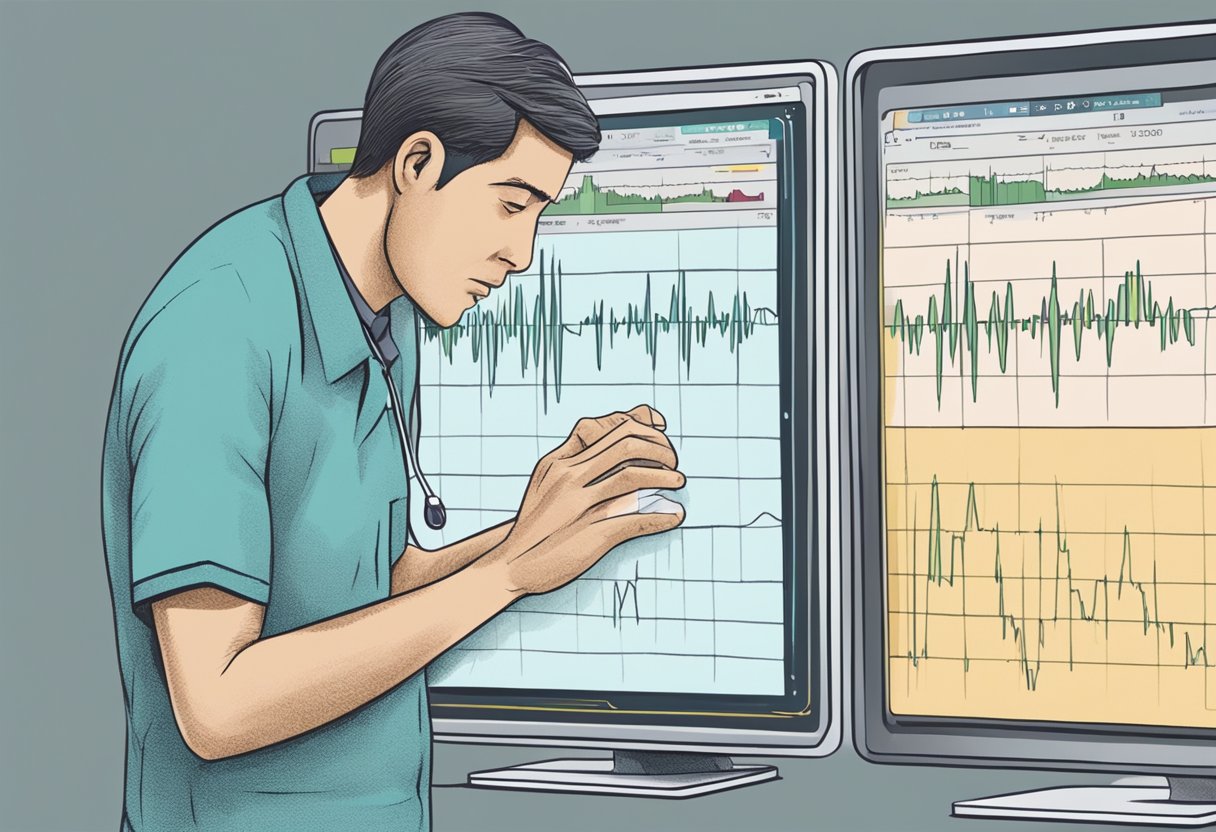
There are different types of arrhythmias, such as atrial fibrillation, ventricular fibrillation, ventricular tachycardia, and supraventricular tachycardia. Each type affects the heart’s rhythm differently and can cause various symptoms. Knowing these symptoms can help you better understand what you might be experiencing and when it’s important to seek medical attention.
It’s also useful to know that several factors can cause arrhythmias. These include heart disease, high blood pressure, and even certain medications. Understanding these causes and the associated risks can help you take preventive measures and consult your doctor with any concerns about your heart health.

Key Takeaways
- Heart arrhythmia symptoms can include irregular heartbeats, dizziness, and shortness of breath.
- Types of arrhythmias include atrial fibrillation and ventricular tachycardia.
- Recognising symptoms early and knowing risk factors is crucial.
Recognising Heart Arrhythmia Symptoms

Knowing the signs of heart arrhythmias is crucial for seeking timely medical advice. Whether you experience a fast or slow heartbeat, recognising these symptoms can be life-saving.

Common Symptoms
Palpitations: Feeling like your heart is racing or fluttering is a common sign. This can be alarming, especially if it happens suddenly.
Shortness of Breath: If you feel breathless even when not active, it might be related to an irregular heartbeat.
Chest Pain: Pain or a heavy feeling in your chest can be a symptom of a heart arrhythmia.
Dizziness or Light-headedness: Feeling faint or dizzy is another indicator. It can occur if your heart isn’t pumping blood efficiently.
Fatigue and Weakness: These can be due to your heart not functioning properly. You might feel unusually tired or weak even with minimal exertion.
Specific Arrhythmia Types and Their Symptoms
Atrial Fibrillation: This causes a rapid, irregular heartbeat. You might feel heart palpitations, shortness of breath, or weakness.
Ventricular Tachycardia: This leads to a fast heart rate starting in the heart’s lower chambers. It can cause chest pain, dizziness, or fainting.
Supraventricular Tachycardia: This is an abnormally fast heartbeat starting above the ventricles. Symptoms include heart palpitations and fatigue.
Atrial Flutter: Similar to atrial fibrillation but usually more organised. Symptoms include palpitations, shortness of breath, and chest discomfort.
Ventricular Fibrillation: This is very serious and can cause sudden cardiac arrest. Symptoms include immediate collapse and loss of consciousness.
Bradycardia: This is a slow heart rate. You might experience fatigue, dizziness, or fainting.
Tachycardia: A fast heart rate generally over 100 beats per minute. You might feel palpitations, chest pain, or shortness of breath.
Causes and Risk Factors of Heart Arrhythmias

Heart arrhythmias can arise from various factors, including lifestyle choices and existing medical conditions. Identifying these causes and risk factors is crucial in managing and preventing heart arrhythmias.
Lifestyle and Environmental Triggers
Certain lifestyle factors can significantly affect your heart rhythm. Smoking is one of the top risk factors, as it damages your blood vessels and increases blood pressure. Excessive alcohol consumption and caffeine intake can also disrupt the electrical signals in your heart, leading to irregular heartbeats.
Stress is another major trigger, often causing your heart to beat faster. Maintaining a healthy weight through regular exercise and balanced diet is essential. Poor diet and lack of physical activity can lead to high cholesterol and high blood pressure, increasing the risk of heart arrhythmias. Making positive lifestyle changes such as quitting smoking, reducing alcohol and caffeine intake, and managing stress can help you keep your heart rhythm steady.
Medical Conditions and Other Causes
Several medical conditions can contribute to heart arrhythmias. Heart disease, including coronary artery disease, can restrict blood flow and damage heart muscles, affecting the heart’s electrical system. Previous incidents like a heart attack or heart failure increase your risk as well.
High blood pressure can enlarge and weaken your heart, leading to abnormal rhythms. Other factors include genetic disorders, imbalances in electrolytes, and thyroid problems. Certain medications and underlying metabolic disorderscan also cause arrhythmias. Being aware of these risks and managing underlying conditions with the help of your healthcare provider is vital for maintaining a healthy heart rhythm.
Frequently Asked Questions

Heart arrhythmias can vary widely in terms of causes, symptoms, and severity. Understanding these aspects can help you recognise when to seek medical help and how to manage your condition effectively.
What are the potential causes of heart arrhythmias?
Heart arrhythmias can be caused by many factors. These include heart disease, high blood pressure, diabetes, smoking, excessive alcohol or caffeine intake, stress, or certain medications. Sometimes, genetic factors can also play a role.
Can symptoms of a serious arrhythmia be fatal?
Yes, serious arrhythmias can sometimes be life-threatening. They can lead to complications such as stroke or heart failure. If you experience severe symptoms like chest pain, difficulty breathing, or fainting, you should seek medical attention immediately.
At what point should someone be concerned about an irregular heartbeat?
You should be concerned if you notice frequent or persistent irregular heartbeats, especially if accompanied by dizziness, chest pain, or shortness of breath. It’s best to consult a doctor if you experience these symptoms.
What are the main categories of heart arrhythmias?
There are several main categories of heart arrhythmias. These include tachycardia (fast heartbeat), bradycardia (slow heartbeat), atrial fibrillation (irregular heartbeat), and ventricular arrhythmias. Each type has different implications for your health and may require different treatments.
Is it possible for heart arrhythmias to resolve on their own?
Some arrhythmias, especially those caused by lifestyle factors or temporary conditions, can resolve on their own. However, others may require medical intervention or long-term management. Always seek advice from a healthcare professional.
How can one manage their life with a heart arrhythmia?
Managing heart arrhythmias often involves lifestyle changes such as a healthy diet, regular exercise, and avoiding triggers like caffeine and alcohol. Medications or medical procedures may also be necessary. Regular check-ups with your doctor are important to monitor and manage your condition effectively.