

Beeswax Furniture Polish: The Natural Solution for Your Wooden Furniture
If you’re looking for an eco-friendly and natural way to keep your wooden furniture looking beautiful, beeswax furniture polish might be just what you need. Beeswax furniture polish is a natural alternative to traditional furniture polish, which often contains harsh chemicals that can be harmful to both you and the environment. Beeswax furniture polish is made from a combination of beeswax and natural oils, making it an eco-friendly and sustainable choice for your home.
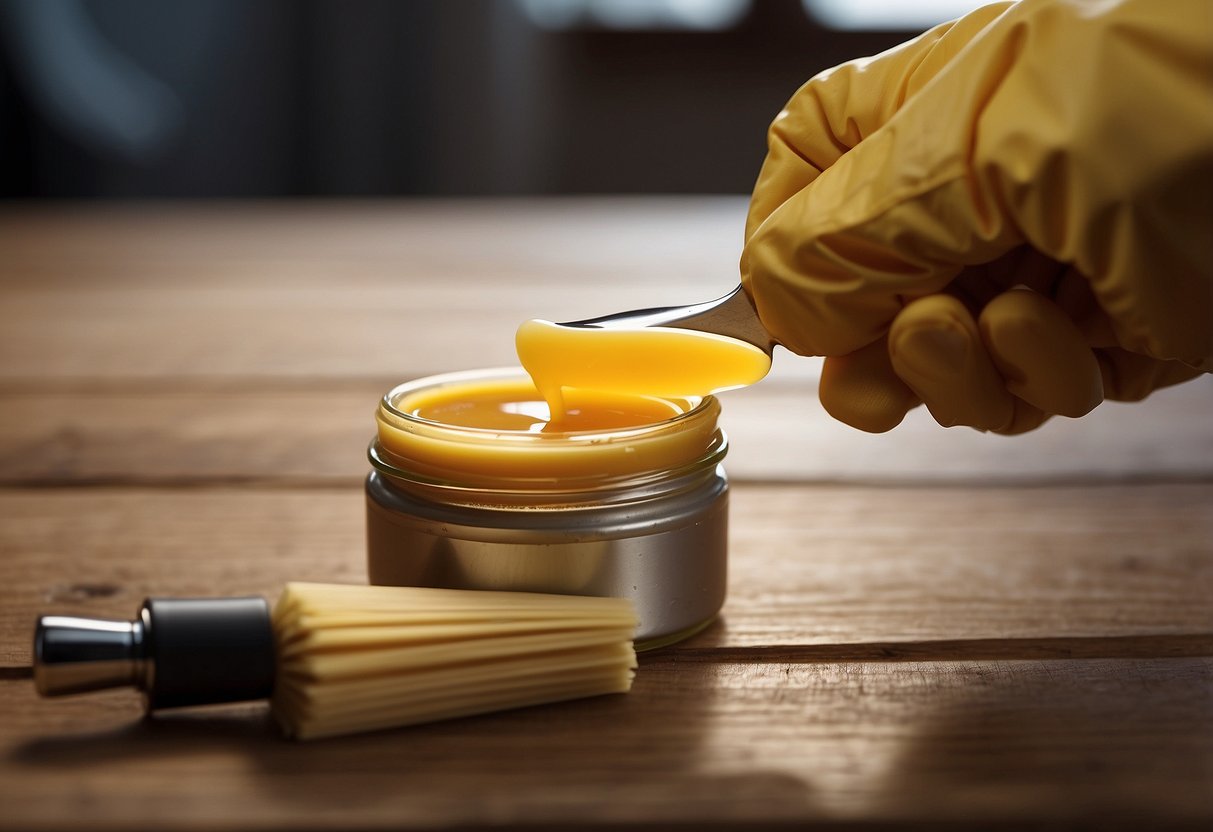
Creating your own beeswax furniture polish is easy and affordable. All you need is beeswax pellets and a natural oil, such as olive oil or coconut oil. Once you’ve melted the beeswax and oil together, you can add essential oils to give your furniture polish a pleasant scent. Beeswax furniture polish is safe to use on all types of wooden furniture, including antiques and delicate pieces, as it won’t damage the wood or leave any residue.
Applying beeswax furniture polish is simple. Just use a soft cloth to apply the polish in a circular motion, making sure to cover the entire surface of the furniture. Once the polish has been applied, use a clean cloth to buff the furniture to a shine. Beeswax furniture polish not only makes your furniture look beautiful, but it also helps to protect the wood from damage and wear.

Key Takeaways
- Beeswax furniture polish is an eco-friendly and natural alternative to traditional furniture polish.
- Creating your own beeswax furniture polish is easy and affordable.
- Applying beeswax furniture polish is simple and helps to protect your wooden furniture from damage.
Creating Your Beeswax Furniture Polish
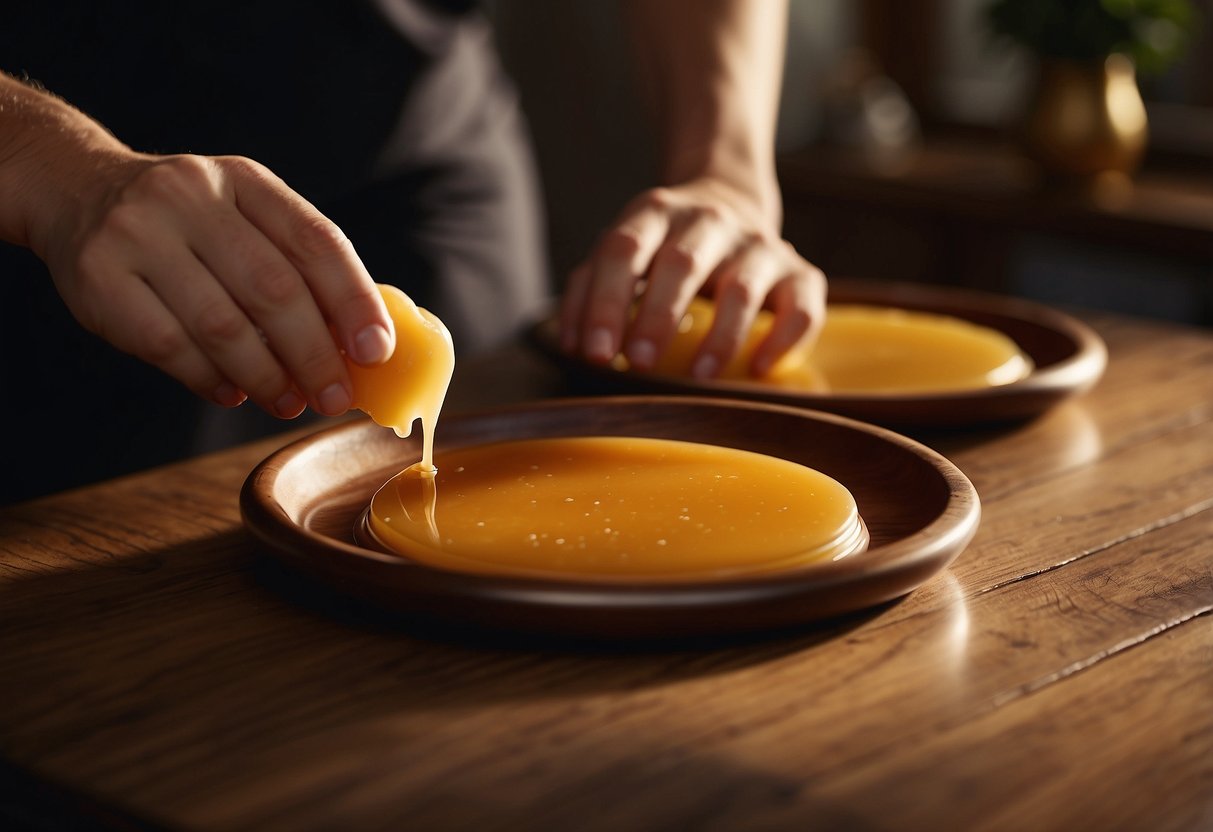
If you want to create your own beeswax furniture polish, you’ll need to follow a few simple steps. In this section, we’ll walk you through the process, from gathering the ingredients to finishing touches.

Gathering the Ingredients
Before you begin, make sure you have all the necessary ingredients and equipment on hand. You’ll need:
- Beeswax pellets
- Mineral oil
- Essential oils (optional)
- Double boiler
- Stirring utensil
- Pouring container
- Airtight container for storage
You may also want to consider using additional oils, such as olive oil, coconut oil, or jojoba oil, to customize your polish.
The Process: Melting and Mixing
To start, melt the beeswax pellets in a double boiler. Once the beeswax has melted, add the mineral oil and any additional oils you’ve chosen. If you want to add a scent to your polish, now is the time to add a few drops of essential oil.
Stir the mixture until everything is fully combined. Be sure to keep an eye on the temperature to avoid overheating the mixture.
Finishing Touches: Cooling and Storing
Once the mixture is fully combined, it’s time to pour it into your chosen container. Allow the mixture to cool and solidify to your desired consistency.
Once your beeswax furniture polish has solidified, transfer it to an airtight container for storage. Be sure to label the container with the date you made the polish, as well as the type of oils you used.
Your homemade beeswax furniture polish should have a shelf life of several months if stored properly. Use it to give your wooden furniture a natural shine and protection.
Applying Beeswax Furniture Polish
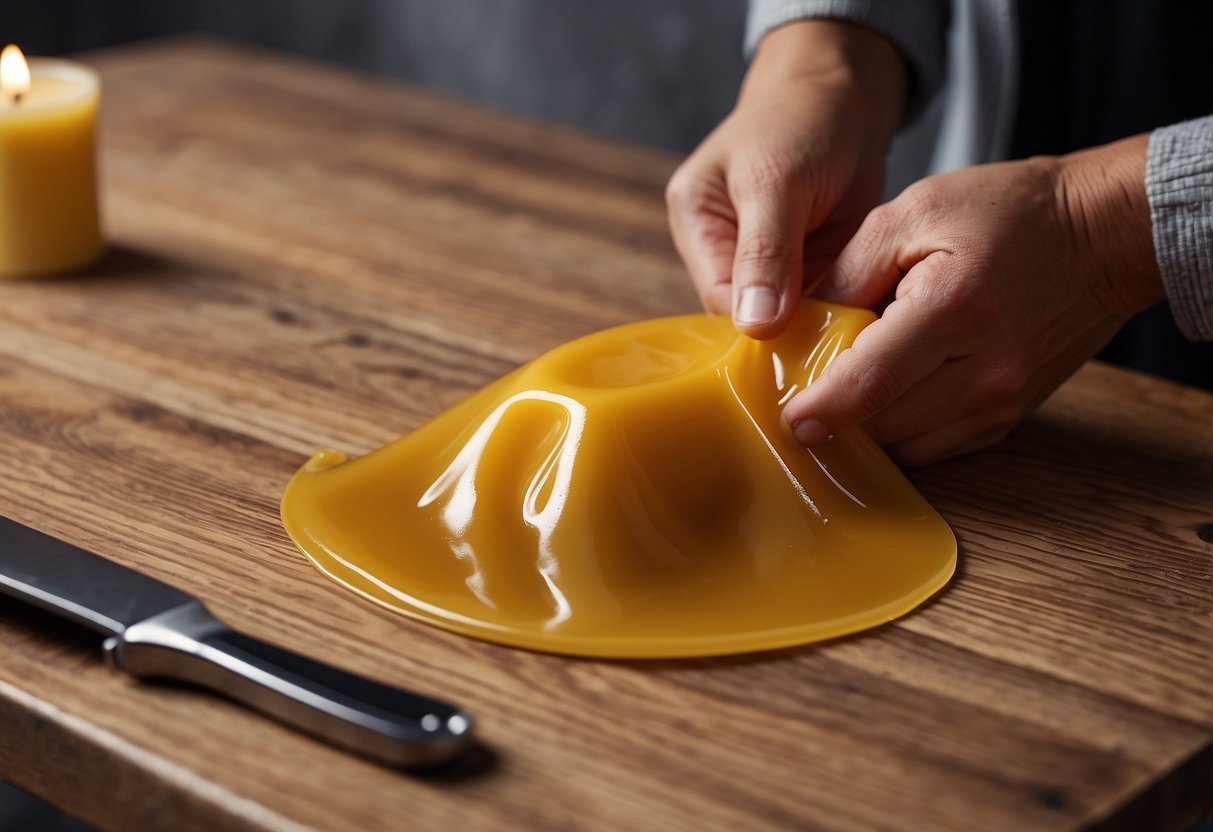
If you want to achieve a natural and eco-friendly shine on your wooden furniture, beeswax furniture polish is an excellent choice. Applying beeswax polish is a simple process that can save you money and provide a protective layer for your furniture. Here are some tips for success:
Preparing the Furniture
Before applying beeswax furniture polish, you should clean your furniture thoroughly. Use a clean cloth to remove any dust, dirt or debris from the surface. If there are any stains or marks, you can use a gentle cleaner or a mixture of water and vinegar to remove them. Once the furniture is clean and dry, you can proceed with the application process.
The Application Process
To apply beeswax furniture polish, you will need a clean cloth, such as a microfiber or cotton cloth. You can also use a natural brush or a soft cloth to apply the polish. Start by testing the polish on a small area of the furniture to ensure that it does not damage the wood. Apply the polish in a circular motion, making sure to cover the entire surface of the furniture.
Once you have applied the polish, let it sit for a few minutes to allow it to penetrate the wood. Then, use a clean cloth to buff the surface of the furniture in a circular motion. This will help to remove any excess polish and create a natural shine. If you want a deeper shine, you can repeat the process and apply another coat of polish.
Aftercare and Maintenance
After applying beeswax furniture polish, you should maintain your furniture regularly to keep it looking its best. Use a clean cloth to dust the furniture regularly and wipe up any spills or stains immediately. You can also apply a leather conditioner or food grade mineral oil to wooden cutting boards to protect them from moisture and bacteria.
In conclusion, applying beeswax furniture polish is a simple and effective way to protect and enhance the natural beauty of your wooden furniture. With a few simple steps, you can achieve a natural shine that will last for years to come.
Frequently Asked Questions
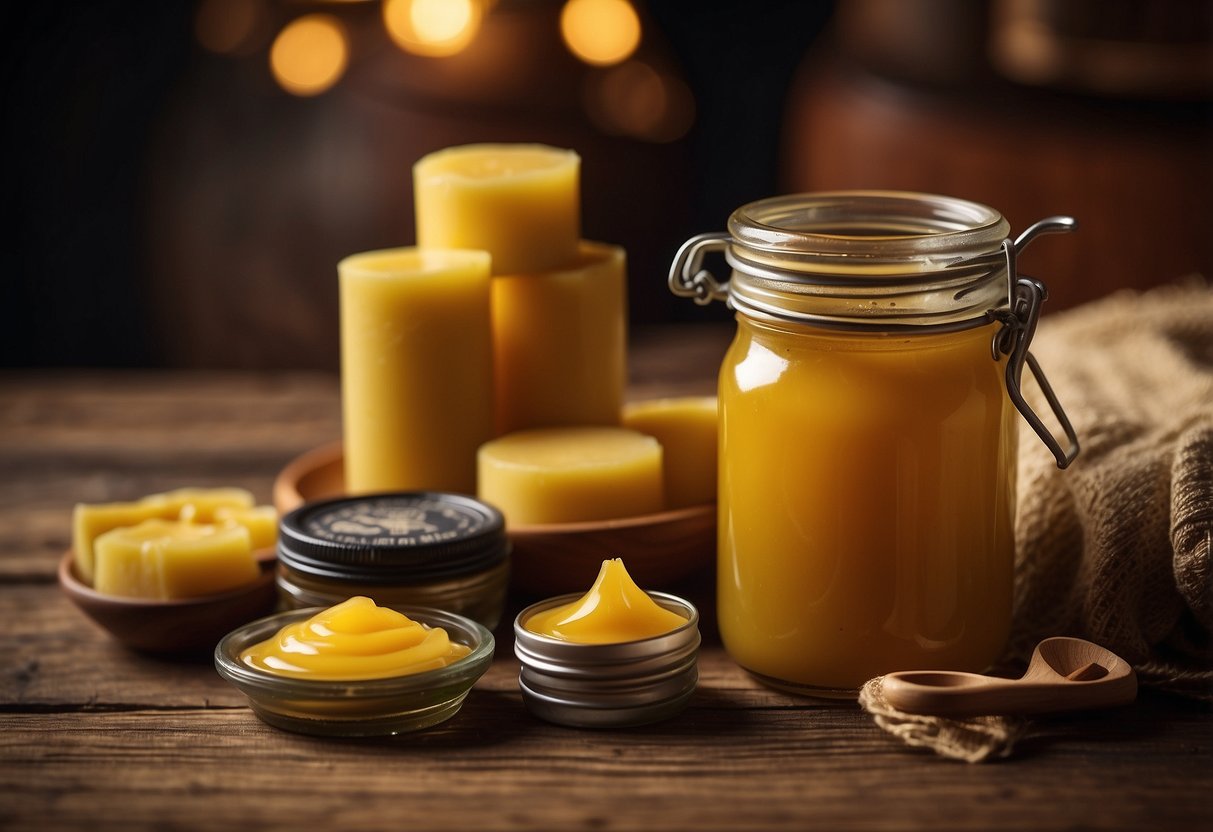
How can I apply beeswax polish to my furniture?
Applying beeswax polish to your furniture is a simple process. Start by cleaning the surface of your furniture with a soft cloth to remove any dust or debris. Then, using a clean cloth or brush, apply a thin layer of beeswax polish to the surface of the furniture. Allow the polish to dry for a few minutes and then buff the surface with a clean, dry cloth to achieve a beautiful shine.
What are the benefits of using beeswax polish on wooden surfaces?
Beeswax polish is a natural and effective way to protect and nourish wooden surfaces. It creates a protective layer that helps to repel moisture, dust, and other contaminants, which can cause damage to wooden furniture over time. Additionally, beeswax polish helps to enhance the natural beauty of wood, giving it a warm and lustrous shine.
Can I create my own beeswax polish at home, and if so, how?
Yes, you can easily create your own beeswax polish at home. All you need is some beeswax, a carrier oil such as olive oil, and some essential oils for fragrance (optional). Melt the beeswax and oil together in a double boiler, add any essential oils if desired, and pour the mixture into a container to cool and solidify. You now have your own homemade beeswax polish!
How often should I reapply beeswax polish to maintain my furniture?
The frequency of reapplication depends on the amount of use your furniture gets and the environmental conditions it is exposed to. In general, it is recommended to reapply beeswax polish every 6-12 months to maintain the protective layer and keep your furniture looking its best.
Are there any particular types of wood that should not be treated with beeswax polish?
Beeswax polish is safe for use on most types of wood, but it is not recommended for use on unfinished or raw wood. Additionally, certain types of wood, such as teak and rosewood, may require a specific type of polish or treatment. Always check the manufacturer’s instructions or consult with a professional before using beeswax polish on any type of wood.
What should I consider when choosing a beeswax polish for my antique furniture?
When choosing a beeswax polish for antique furniture, it is important to consider the age and condition of the piece. For older or more delicate pieces, a softer, more gentle polish may be appropriate. Additionally, it is important to choose a polish that is free from harsh chemicals or additives that could damage the wood or alter its appearance. Always test any new polish on a small, inconspicuous area before applying it to the entire piece.