

Baroque vs Rococo Furniture: Understanding the Differences
If you’re looking to add some character and charm to your home decor, you might be considering Baroque or Rococo furniture. These two styles, while similar in some ways, have distinct differences that set them apart. In this article, we’ll explore the characteristics of each style and help you decide which one might be right for your space.

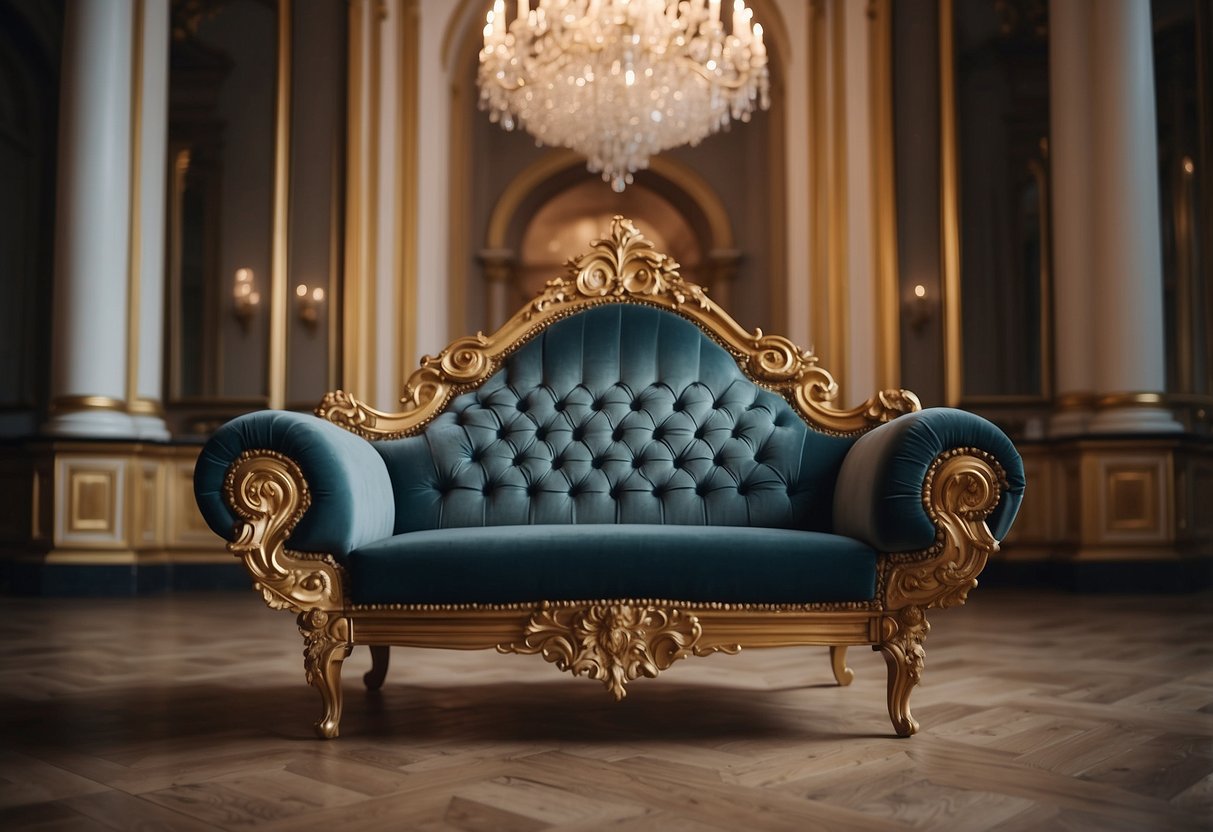
Baroque furniture originated in Italy in the late 16th century and is known for its grandeur and opulence. It features ornate carvings, intricate details, and bold, dramatic shapes. Rococo furniture, on the other hand, emerged in France in the early 18th century and is characterized by its lightness and playfulness. It features delicate curves, asymmetrical shapes, and elaborate decoration.
While both styles are associated with luxury and sophistication, they have different aesthetics that appeal to different tastes. Some people prefer the grandeur and drama of Baroque furniture, while others appreciate the whimsical and elegant nature of Rococo pieces. In the next section, we’ll take a closer look at the historical context and evolution of these two styles to better understand their unique characteristics.
Key Takeaways
- Baroque furniture is known for its grandeur and opulence, while Rococo furniture is characterized by its lightness and playfulness.
- Baroque furniture features bold, dramatic shapes and intricate details, while Rococo furniture has delicate curves and asymmetrical shapes.
- The choice between Baroque and Rococo furniture ultimately comes down to personal taste and the desired aesthetic of your space.
Historical Context and Evolution
The Baroque Era
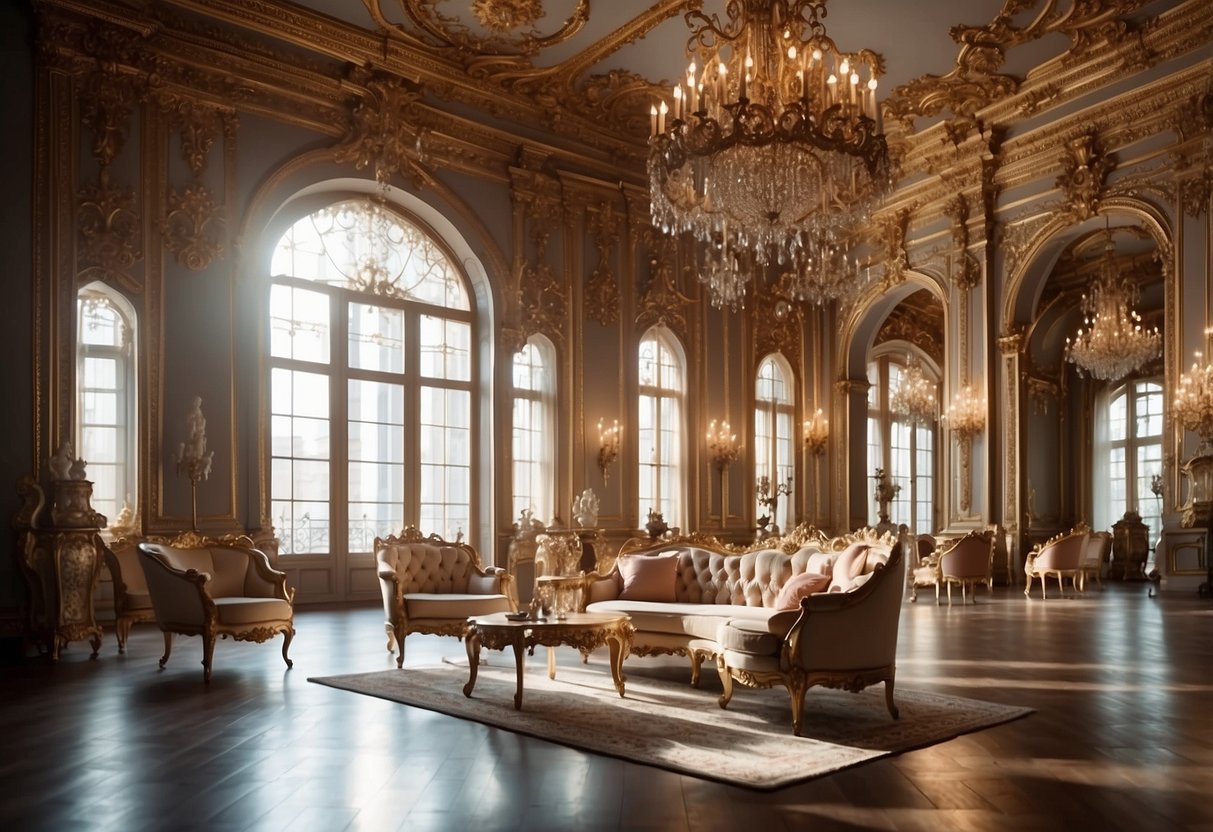
During the 17th century, the Baroque era emerged in Europe as a movement in art and architecture. This period was characterized by drama, grandeur, and chiaroscuro, which refers to the use of strong contrasts between light and dark. The Baroque style was particularly popular in Italy and France, where it was used to create impressive works of art and architecture for the Catholic Church and the royal courts.

Baroque art often featured religious themes, and the style was used to create awe-inspiring churches and cathedrals. Baroque architecture was characterized by its elaborate ornamentation, use of curves and dramatic lighting, and grandeur. The Baroque era was a time of great artistic and cultural achievement, and it left a lasting mark on the art and architecture of Europe.
The Rococo Movement
The Rococo movement emerged in France during the early 18th century as a rebellion against the grandeur and seriousness of the Baroque era. Rococo art and architecture were characterized by their frivolous and playful nature, with a focus on pleasure and enjoyment. The style was particularly popular during the reign of Louis XV, who was known for his love of luxury and extravagance.
Rococo art was often characterized by its use of delicate, curving lines and intricate details, such as the rocaille (shell-like) motifs that gave the style its name. Rococo architecture was characterized by its lightness and grace, with a focus on decoration and ornamentation rather than grandeur.
The Rococo movement was also influenced by the Enlightenment, which emphasized reason and rationality over the superstition and dogma of the past. As a result, Rococo art and architecture often featured themes of nature and the natural world, as well as a sense of freedom and rebellion against the constraints of the past.
Overall, the Baroque and Rococo eras represent two very different styles in art and architecture. While the Baroque era was characterized by drama, grandeur, and a focus on the Catholic Church and royal courts, the Rococo movement was characterized by its focus on pleasure, frivolity, and rebellion against tradition.
Comparing Baroque and Rococo Furniture

When it comes to furniture styles, Baroque and Rococo are two of the most extravagant and ornate styles out there. Both of these styles are known for their intricate designs and embellishments, but there are some key differences between them.

Design and Aesthetics
Baroque furniture is known for its grand and religious designs, with a focus on symmetry and massing. It is characterized by its use of domes, gilded foliage and flowers, and marquetry. Rococo, on the other hand, is more whimsical and playful in its design, with a focus on shell motifs, curved lines, and asymmetry.
Materials and Craftsmanship
Both Baroque and Rococo furniture were crafted using high-quality materials and expert craftsmanship. Baroque furniture often used walnut, while Rococo furniture favored quality wood such as ivory and leather. Both styles used upholstery, with Baroque furniture often upholstered in silk and velvet, while Rococo furniture used lighter fabrics such as cotton.
Functionality and Comfort
While both Baroque and Rococo furniture were designed to be luxurious and ornate, they also prioritized functionality and comfort. Baroque furniture was often designed for use in large palaces and estates, with a focus on privacy and warmth. Rococo furniture, on the other hand, was designed for smaller, more intimate spaces, with a focus on comfort and relaxation.
Overall, Baroque and Rococo furniture styles are both beautiful and in-demand, but they have distinct differences in their design, materials, and functionality. Whether you prefer the grandeur of Baroque or the whimsy of Rococo, both styles offer a unique and elegant aesthetic that can add a touch of luxury to any modern interior.
Frequently Asked Questions
What distinguishes Baroque furniture from Rococo in terms of design elements?
Baroque furniture is characterized by its grandeur, complexity, and ornate design elements. It often features bold curves, dramatic shapes, and intricate details such as gilding, carving, and inlay work. In contrast, Rococo furniture is more delicate and graceful, with a focus on asymmetry, lightness, and fluid lines. Rococo pieces are often adorned with playful motifs such as shells, flowers, and scrolls.
Can you highlight the main characteristics of Rococo furniture style?
Rococo furniture is known for its elegance, charm, and whimsy. It is typically lighter in appearance than Baroque furniture, with a focus on comfort and intimacy. Rococo pieces often feature ornate curves, asymmetrical shapes, and intricate details such as marquetry, porcelain plaques, and painted scenes. They are also characterized by their use of pastel colours and soft, luxurious fabrics such as silk and velvet.
How can one tell if a piece of furniture is Baroque or Rococo?
One way to distinguish between Baroque and Rococo furniture is to look at the overall style and design elements. Baroque pieces tend to be more grand and imposing, with a focus on symmetry and dramatic shapes. Rococo pieces, on the other hand, are more delicate and playful, with a focus on asymmetry and fluid lines. Additionally, Baroque furniture often features heavy ornamentation and gilding, while Rococo pieces are more likely to have painted or inlaid details.
What are some notable examples of Baroque and Rococo architecture?
Some notable examples of Baroque architecture include the Palace of Versailles in France, St. Peter’s Basilica in Rome, and the Winter Palace in St. Petersburg. Rococo architecture is perhaps best represented by the Palace of Sanssouci in Potsdam, Germany, and the Catherine Palace in St. Petersburg.
In what ways did Baroque and Rococo styles influence interior design?
Baroque and Rococo styles had a significant impact on interior design, particularly in the 17th and 18th centuries. They both emphasized luxury, opulence, and extravagance, with a focus on rich materials, bold colours, and elaborate decorations. Baroque interiors often featured grandiose frescoes, ornate plasterwork, and heavy draperies, while Rococo interiors were characterized by their lightness, fluidity, and delicate details such as chinoiserie, porcelain, and mirrors.
What are the key differences between Baroque and Rococo art frames?
Baroque art frames are typically more imposing and ornate than Rococo frames, with a focus on symmetry and grandeur. They often feature heavy gilding, intricate carvings, and dramatic shapes such as scrolls, volutes, and cartouches. Rococo frames, on the other hand, are more delicate and playful, with a focus on asymmetry and whimsical motifs such as shells, flowers, and rocailles. They are often painted in soft pastel colours and adorned with small, intricate details such as flowers or leaves.