Art Deco Furniture Style: A Guide to the Iconic Design Movement
If you’re looking to add a touch of elegance and luxury to your home, Art Deco furniture style may be just what you need. Originating in Paris, France in the 1920s, Art Deco is a design movement that is characterized by its bold geometric shapes, intricate detailing, and use of luxurious materials such as exotic woods, lacquer, and leather.

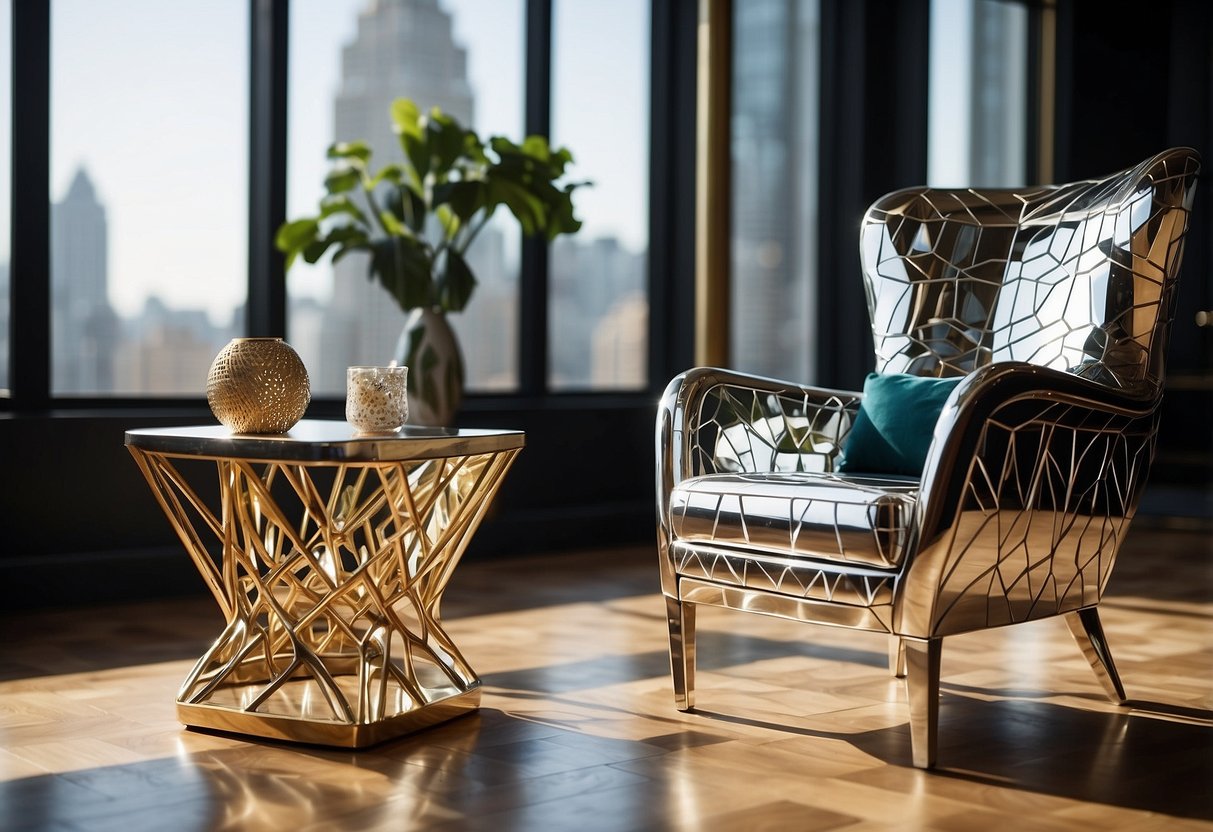
Art Deco furniture style was heavily influenced by the Arts Décoratifs movement and the architecture of the time. It was a response to the ornate and elaborate styles that came before it, such as Art Nouveau, and instead embraced simplicity and modernity. The movement quickly spread throughout Europe and the United States, and its influence can still be seen in furniture design today.
In this article, we’ll take a closer look at Art Deco furniture style, its historical context and design influences, and the defining features that make it so distinctive. We’ll also answer some frequently asked questions about Art Deco furniture style and provide some tips on how to incorporate it into your home décor.
Key Takeaways
- Art Deco furniture style is characterized by bold geometric shapes, intricate detailing, and the use of luxurious materials.
- The movement was heavily influenced by the Arts Décoratifs movement and the architecture of the time, and embraced simplicity and modernity.
- Art Deco furniture style is still popular today and can be incorporated into your home décor for a touch of elegance and luxury.
Historical Context and Design Influences
Origins in French Artistic Movements
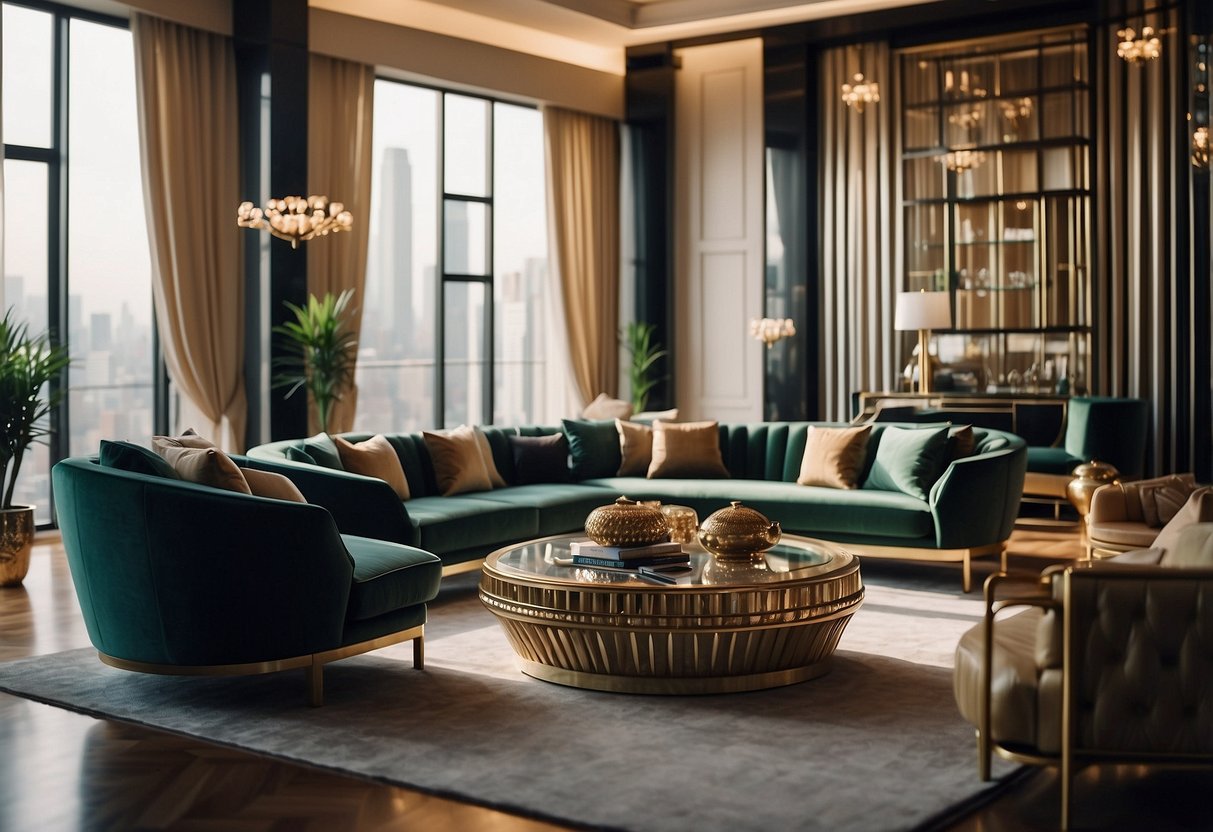
Art Deco emerged in the early 20th century as a response to the ornate and elaborate designs of the Art Nouveau movement. It originated in France, where designers sought to create a new aesthetic that reflected the modern, industrial age. The Exposition Internationale des Arts Décoratifs et Industriels Modernes, held in Paris in 1925, was a key event in the development of the Art Deco style. It showcased the work of designers who were experimenting with new materials and forms, and it helped to popularise the movement around the world.

Art Deco’s Impact on Global Architecture
Art Deco quickly spread beyond France and became a global phenomenon. It had a significant impact on architecture, particularly in the United States, where it was embraced by developers of skyscrapers. The Chrysler Building and the Empire State Building, both completed in the 1930s, are iconic examples of Art Deco architecture. The style’s emphasis on clean lines, geometric shapes, and bold colours made it a popular choice for buildings that represented modernity and optimism.
The Great Depression and Art Deco
The Great Depression of the 1930s had a profound impact on the Art Deco movement. As the economy declined, designers began to incorporate more affordable materials into their work, such as chrome, Bakelite, and plastic. This led to a shift towards a more streamlined and minimalist aesthetic, known as Streamline Moderne. Despite this, Art Deco continued to be popular throughout the 1930s, and its influence can still be seen in design today.
Overall, Art Deco was a response to the rapid changes brought about by the modern age. It reflected a desire for simplicity, functionality, and beauty in everyday objects. The movement was embraced by designers, architects, and artists around the world, and it remains a significant influence on design today.
Defining Features of Art Deco Furniture
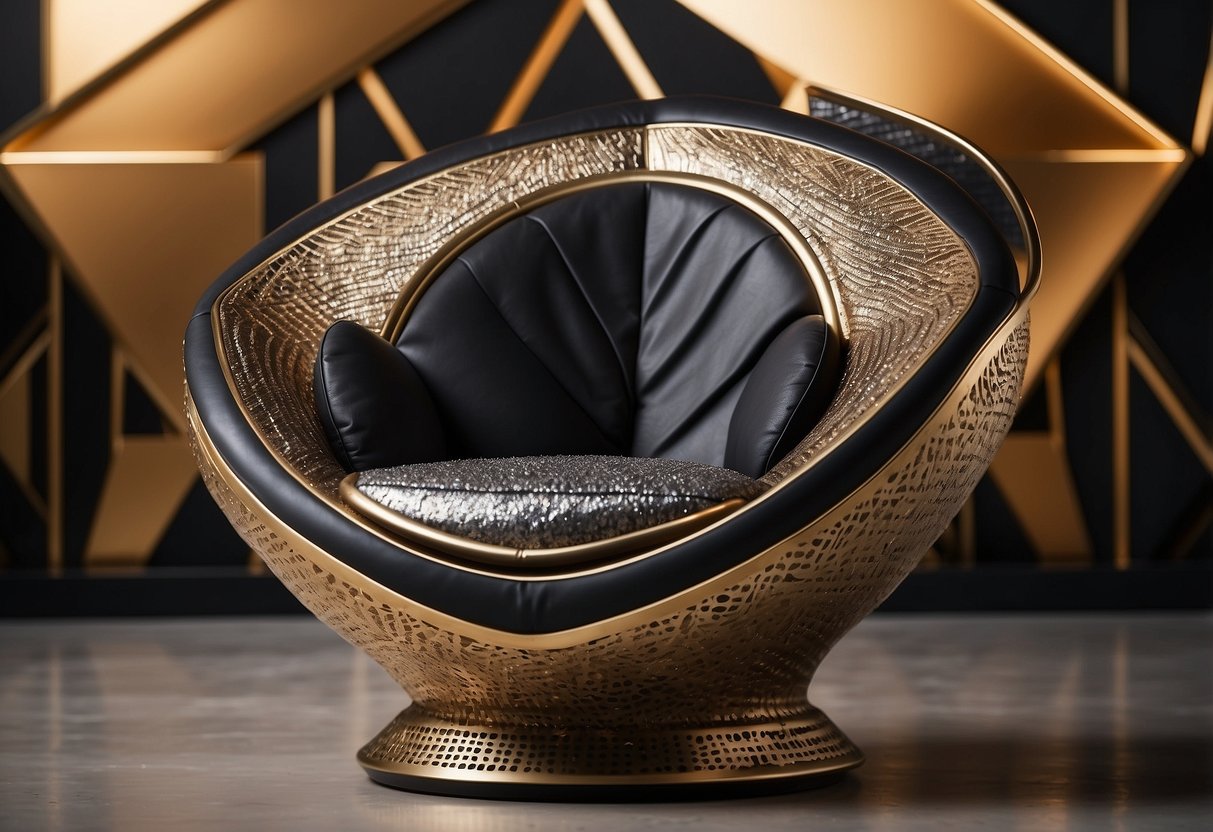
Art Deco furniture style is characterized by a combination of luxury, glamour, and craftsmanship. The style emerged in the 1920s and 1930s and is known for its timeless appeal and balance between form and function.
Materials and Textures
Art Deco furniture is often made from luxurious materials such as ebony, exotic woods like zebrawood and mahogany, glass, lacquer, velvet, leather, steel, chrome, brass, and stainless steel. The use of these materials creates a sense of opulence and elegance. The furniture often features geometric patterns, bold colours, and sinuous outlines that enhance the luxurious feel.
Colour Palette and Patterns
Art Deco furniture is characterized by a bold and rich colour palette, often featuring jewel tones such as emerald, red, green, and blue. The furniture often features geometric patterns and chevrons, which are a recurring motif in Art Deco design. The use of these bold colours and patterns creates a striking visual impact and adds to the overall glamour of the furniture.

Signature Shapes and Motifs
Art Deco furniture embraces clean lines and geometric shapes, such as rectangles, circles, and triangles. The emphasis is on simplicity and symmetry, resulting in a sleek and streamlined aesthetic. The furniture often features motifs such as sunbursts, zigzags, and stepped patterns, which are a nod to the machine age and the industrial revolution.
Art Deco furniture is a perfect addition to any interior design scheme. It can be used to create a focal point in a living room or bedroom, or to add a touch of glamour to a bathroom. Art Deco seating, tables, coffee tables, sofas, beds, and accessories are all available in this style and can be combined to create a cohesive look. Sconces and mirrors are also popular Art Deco accessories.
In conclusion, Art Deco furniture is a luxurious and timeless style that combines glamour, luxury, and craftsmanship. The use of bold colours, geometric patterns, and signature shapes and motifs creates a striking visual impact that is sure to impress.
Frequently Asked Questions
What are the defining characteristics of Art Deco furniture?
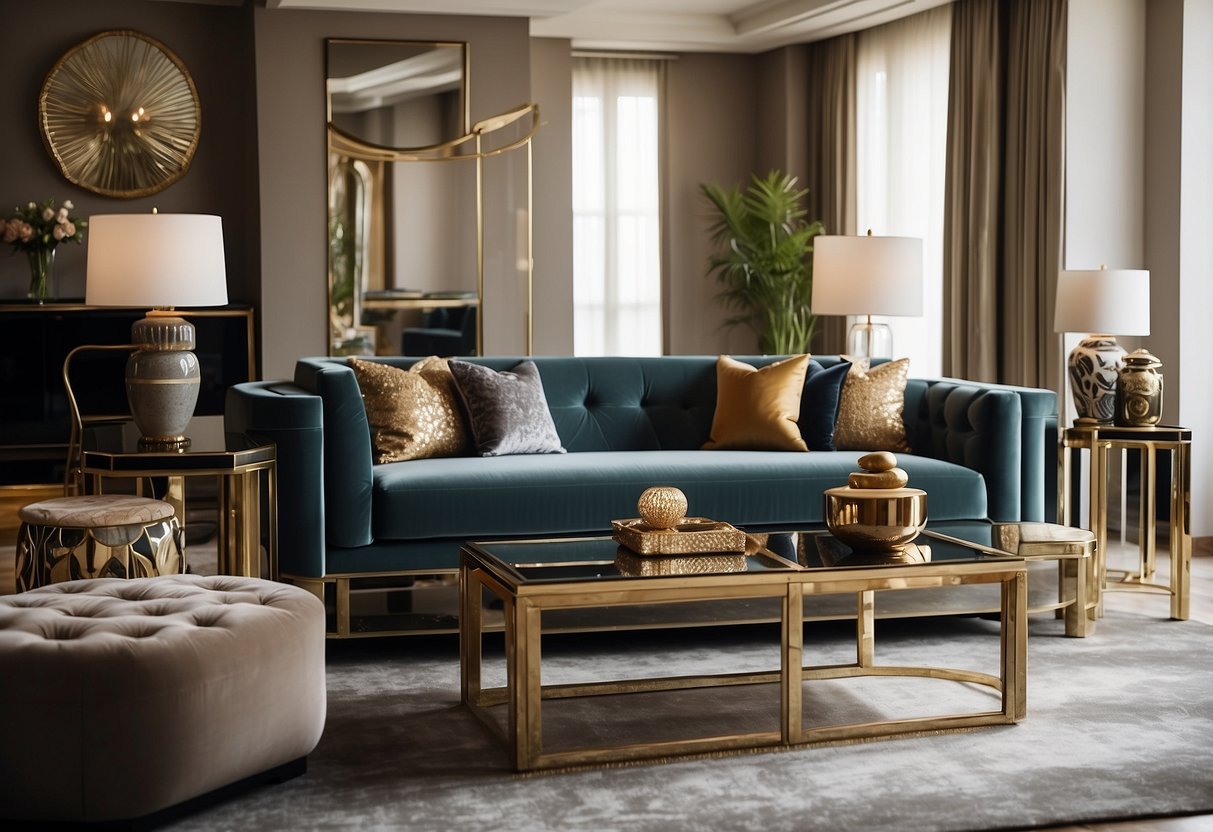
Art Deco furniture is known for its sleek, geometric shapes and bold, contrasting colours. It often features materials such as chrome, glass, and exotic woods, and incorporates luxurious touches such as velvet or leather upholstery. The style is defined by a sense of glamour and luxury, and is often associated with the 1920s and 1930s.
Can you name some prominent designers of Art Deco furniture?
Some of the most well-known designers of Art Deco furniture include Jacques-Emile Ruhlmann, Émile-Jacques Ruhlmann, and Jean-Michel Frank. These designers were known for their innovative use of materials and their ability to create furniture that was both functional and beautiful.
What materials are commonly used in Art Deco furniture pieces?
Art Deco furniture often incorporates materials such as chrome, glass, and exotic woods like ebony and rosewood. Upholstery materials can include velvet, leather, and other luxurious fabrics. The use of these materials was meant to convey a sense of luxury and glamour, and to create furniture that was both beautiful and functional.
How can I incorporate Art Deco style into my living room decor?
To incorporate Art Deco style into your living room decor, consider adding furniture pieces with sleek, geometric shapes and bold, contrasting colours. Look for materials like chrome, glass, and exotic woods, and consider incorporating luxurious touches like velvet or leather upholstery. You can also add Art Deco-inspired accessories like mirrored accents or geometric-patterned rugs.
What distinguishes 1920s Art Deco furniture from other periods?
1920s Art Deco furniture is known for its sleek, geometric shapes and bold, contrasting colours. It often incorporates materials like chrome, glass, and exotic woods, and features luxurious touches like velvet or leather upholstery. This style was popular during the 1920s and 1930s, and is often associated with the glamour and luxury of that era.
How can I create an Art Deco-inspired bedroom?
To create an Art Deco-inspired bedroom, consider adding furniture pieces with sleek, geometric shapes and bold, contrasting colours. Look for materials like chrome, glass, and exotic woods, and consider incorporating luxurious touches like velvet or leather upholstery. You can also add Art Deco-inspired accessories like mirrored accents or geometric-patterned bedding. Consider incorporating a statement piece like an Art Deco-inspired headboard or dresser to really make the room pop.