

Antique Furniture Values: How to Determine the Worth of Your Vintage Pieces
Antique furniture holds a special place in many people’s hearts. Whether it’s a family heirloom or a unique piece picked up at an antique shop, there’s something about these items that exudes history and character. But how do you determine the value of antique furniture? This is where the process of valuation comes in.
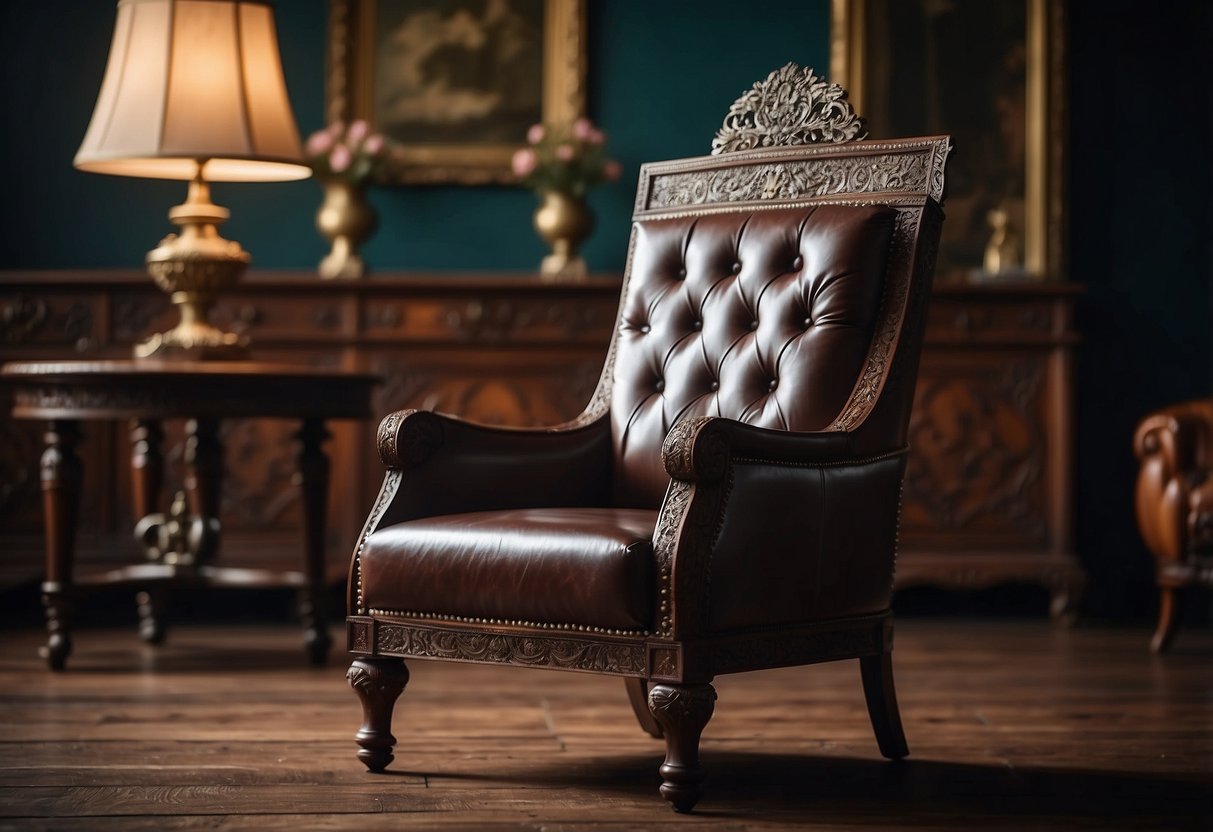
Understanding antique furniture values can be a complex and nuanced process. Factors such as age, condition, rarity, and provenance all play a role in determining the market value of a piece. However, with the right knowledge and resources, you can accurately appraise your antique furniture and maximize its value.
In this article, we’ll guide you through the process of valuing antique furniture. We’ll cover everything from identifying authenticity and provenance to evaluating market value and avoiding forgeries. Whether you’re a seasoned collector or just starting out, this guide will provide you with the tools you need to determine the worth of your antique furniture.

Key Takeaways
- Understanding the factors that affect antique furniture values is key to accurately appraising your collection.
- The process of valuation involves assessing authenticity, provenance, and market value.
- With the right knowledge and resources, you can maximize the value of your antique furniture.
Understanding Antique Furniture Values
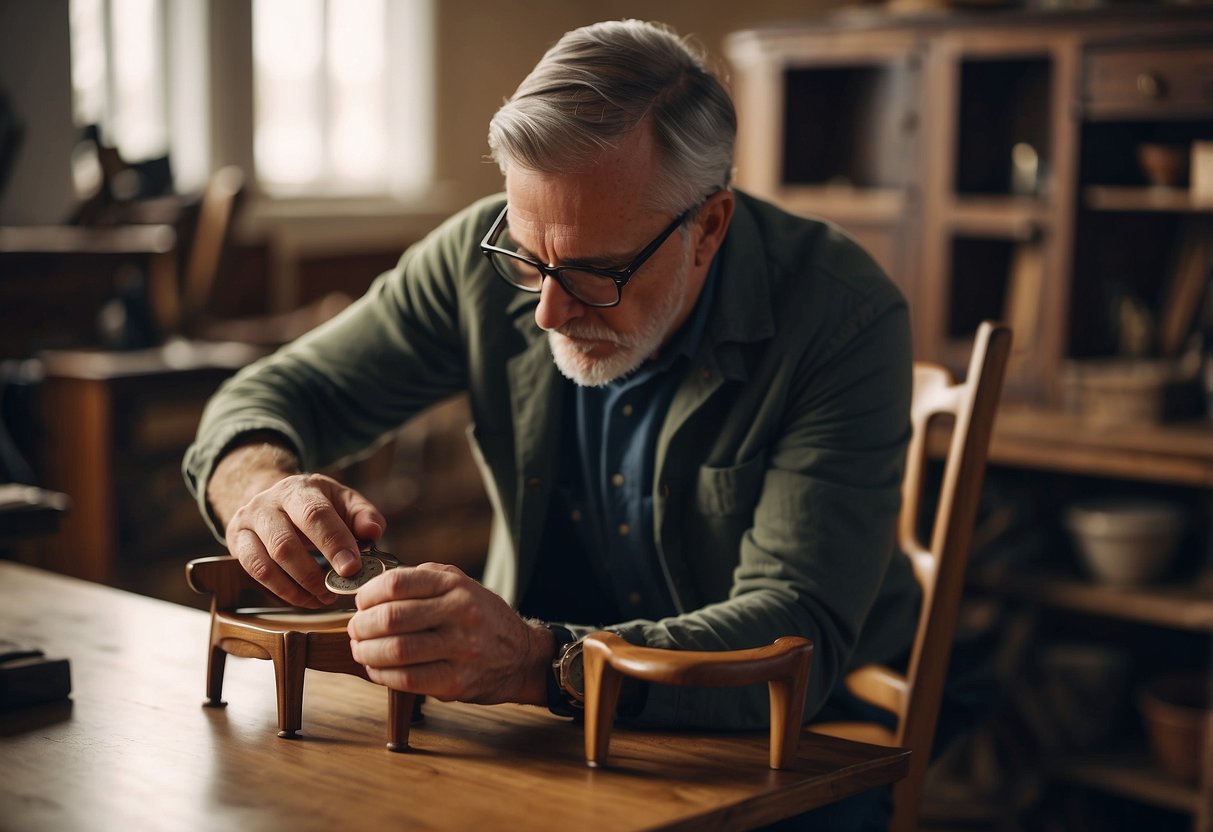
Antique furniture can be a valuable and cherished possession, but determining its worth can be a complex process. Understanding antique furniture values involves considering a variety of factors, including age, authenticity, style, materials, condition, and preservation. In this section, we will explore these factors in more detail to help you better understand the value of your antique furniture.

Determining Age and Authenticity
One of the most important factors in determining the value of antique furniture is its age and authenticity. Furniture that is over 100 years old is generally considered to be an antique, but age alone does not guarantee value. Authenticity is also important, as many reproductions and fakes exist that can be difficult to distinguish from genuine antique pieces.
To determine the age and authenticity of your antique furniture, look for labels, markings, or maker’s marks that can provide clues to its origin. Research the period and style of the piece to determine if it is consistent with the time period it is supposed to be from. You may also want to consult with a professional appraiser or antique dealer to get a more accurate assessment.
Styles and Materials
Antique furniture comes in a wide range of styles and materials, each with its own unique characteristics and value. Some popular antique furniture styles include Chippendale, Victorian, and Art Deco. The type of wood used in the piece can also affect its value, with oak, mahogany, and walnut being some of the most popular choices.
Craftsmanship is also an important consideration when it comes to antique furniture values. Pieces that are well-made and exhibit exceptional craftsmanship are generally more valuable than those that are poorly made or mass-produced.
Condition and Preservation
The condition of your antique furniture can also have a significant impact on its value. Pieces that are in excellent condition and have been well-preserved are generally more valuable than those that are damaged or have undergone significant alterations or restorations.
To preserve the value of your antique furniture, it is important to take care when cleaning and maintaining it. Avoid using harsh chemicals or abrasive materials that can damage the finish or patina of the piece. If repairs or restorations are necessary, seek the advice of a professional to ensure that they are done correctly and do not detract from the value of the piece.
By considering these factors and taking steps to preserve the condition and authenticity of your antique furniture, you can better understand its value and ensure that it remains a cherished possession for years to come.
The Process of Valuation

When it comes to assessing the value of your antique furniture, there are several methods that you can use. In this section, we will cover the appraisal methods, researching and comparing, and selling and buying.
Appraisal Methods
One of the most accurate ways to determine the monetary worth of your antique furniture is to hire a professional appraiser. Professional appraisers have the expertise to evaluate the potential value of your furniture based on its historical significance, condition, rarity, and other factors.
Another option is to use online resources, such as Kovels, eBay, Ruby Lane, and furniture listings. These resources can provide you with a general idea of the fair market value of your antique furniture. However, keep in mind that these values are not always accurate and may vary depending on the demand in the market.
Researching and Comparing
Researching and comparing your antique furniture to similar pieces can also help you determine its value. You can use books, online resources, and price guides to get an idea of the value of your furniture. Additionally, you can compare your furniture to similar pieces sold at auction houses or consignment stores to get an idea of its auction value or retail value.
Selling and Buying
If you’re looking to sell your antique furniture, it’s important to consider the market demand. The value of your furniture may vary depending on the current demand for the style of furniture you have. You can sell your furniture to an antique dealer, collectors, or through consignment stores.
When buying antique furniture, it’s important to consider the fair market value, wholesale value, and retail value. You can use the same resources mentioned above to get an idea of the value of the furniture you’re interested in purchasing.
Overall, determining the value of your antique furniture requires research, comparisons, and potentially the help of experts. By following the methods outlined in this section, you can confidently assess the value of your antique furniture and make informed decisions about buying, selling, or keeping your cherished heirlooms.
Frequently Asked Questions
How can I identify my antique furniture?
Identifying antique furniture can be a challenging task, but there are a few things you can look for to help you determine its age and value. First, examine the piece closely for any markings or labels that may indicate the manufacturer or origin. Look for signs of wear and tear, such as scratches or dents, which can give clues about its age. You can also consult online resources or antique furniture books to help you identify your piece.
What might my 1950s furniture be worth today?
The value of your 1950s furniture will depend on a number of factors, including its condition, rarity, and demand. Mid-century modern furniture is currently very popular and can command high prices, especially if it is in excellent condition. However, the value of your furniture can vary widely depending on the specific piece, so it’s best to consult an expert appraiser for an accurate valuation.
Where can I find a furniture valuation service near me?
There are several ways to find a furniture valuation service near you. You can start by searching online for local antique dealers or appraisers. You can also check with your local auction houses or antique shops to see if they offer valuation services. Additionally, there are several online appraisal services that can provide you with a valuation based on photographs and descriptions of your furniture.
How can I get my antique furniture valued for free?
While it may be difficult to find a free antique furniture valuation service, there are a few options available. Some antique dealers and appraisers offer free valuations as part of their services, so it’s worth checking with local professionals to see if they offer this option. You can also try contacting local museums or historical societies to see if they offer free valuations or can recommend a reputable appraiser.
What are the signs that my antique furniture is valuable?
There are several signs that your antique furniture may be valuable, including its age, rarity, and condition. Look for pieces that are well-preserved and in excellent condition, with no major damage or repairs. Pieces that are signed or marked by a well-known manufacturer or designer can also be valuable. Additionally, furniture that is part of a limited edition or is considered a rare find can command high prices.
What is the best way to calculate the value of old furniture?
The best way to calculate the value of old furniture is to consult with an expert appraiser. Appraisers can take into account a variety of factors, including the piece’s age, condition, rarity, and provenance, to provide an accurate valuation. You can find appraisers online or through local antique dealers or auction houses. It’s important to choose an appraiser with a good reputation and experience in valuing antique furniture.