Ancient Egypt Furniture History: A Fascinating Look into the Past
Welcome to the fascinating world of ancient Egyptian furniture! The furniture of ancient Egypt is a reflection of the rich culture and beliefs of the people of that time. The ancient Egyptians were known for their exquisite craftsmanship and attention to detail, which is evident in the furniture they created. From beds to chairs, tables to chests, the furniture of ancient Egypt was not only functional but also beautiful.

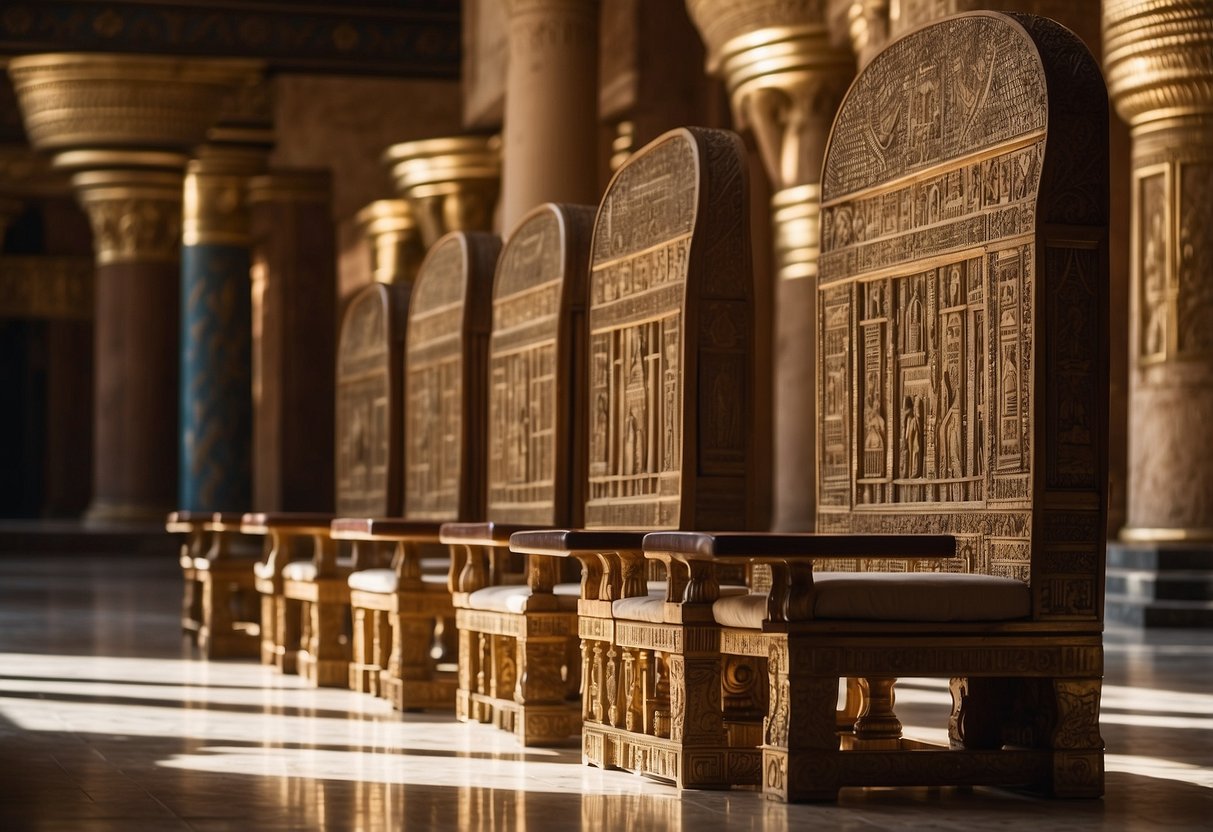
The evolution of Egyptian furniture spans thousands of years, from the pre-dynastic period to the Roman era. The furniture was made using a variety of materials such as wood, reeds, stone, metals, and ivory. The furniture was also decorated in many different ways, including carving, painting, and inlay work. Some of the most famous examples of ancient Egyptian furniture include the Throne of Tutankhamun, the bed of Queen Hetepheres, and the chair of Prince Rahotep.
Key Takeaways
- Ancient Egyptian furniture is a reflection of the rich culture and beliefs of the people of that time.
- The furniture was made using a variety of materials and decorated in many different ways.
- Some of the most famous examples of ancient Egyptian furniture include the Throne of Tutankhamun, the bed of Queen Hetepheres, and the chair of Prince Rahotep.
Evolution of Egyptian Furniture
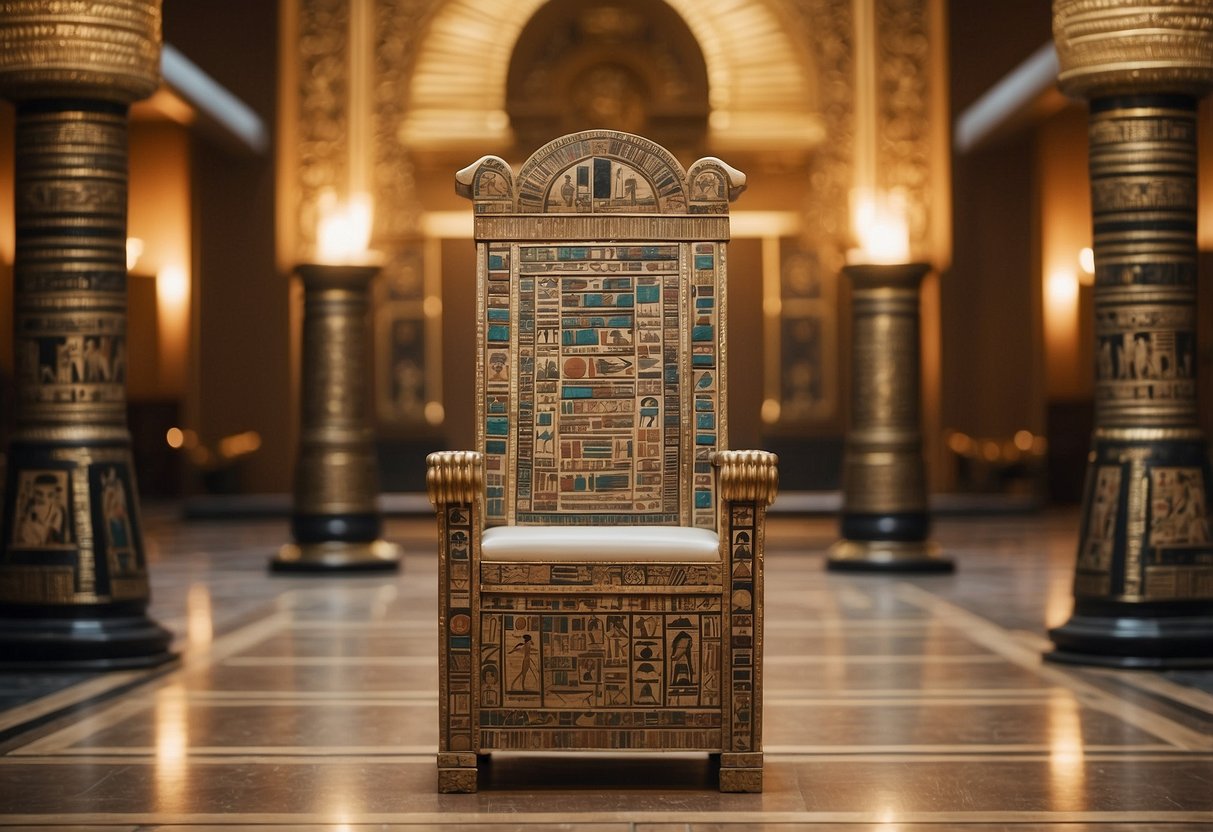
Egyptian furniture has a long and fascinating history, with many different styles and designs emerging over the centuries. In this section, we will explore the evolution of Egyptian furniture, from the Pre-Dynastic and Early Dynastic Periods through to the Old Kingdom and New Kingdom, and finally to the First Intermediate Period Technology.
Pre-Dynastic and Early Dynastic Periods
During the Pre-Dynastic and Early Dynastic Periods, furniture was relatively simple and functional. Mats and baskets were commonly used for seating and storage, while wooden stools and tables were also produced. These early pieces were typically made from local materials such as reeds and rushes, and were designed to be portable and easy to move around.

Old Kingdom to New Kingdom
As Egypt became more prosperous during the Old Kingdom and New Kingdom periods, furniture began to reflect the increasing wealth and status of the pharaohs and other wealthy individuals. Elaborate thrones and chairs were produced, often adorned with gold, silver, and precious stones. Beds and chests were also common, as were small tables and stools.
Craftsmanship and construction techniques also improved during this time, with furniture makers using more sophisticated tools and techniques to create intricate designs and patterns. Timber was the primary material used for furniture, with imported woods such as cedar and ebony becoming increasingly popular.
First Intermediate Period Technology
During the First Intermediate Period, furniture makers continued to refine their craft and develop new techniques. Woodworking became more complex, with intricate joints and carvings becoming more common. Carpentry tools also became more sophisticated, allowing craftsmen to create more intricate designs and patterns.
Despite these advances, however, furniture during this period was generally more functional than decorative. Simple stools and tables were still common, although they were often made from higher quality materials and constructed with greater precision.
Overall, the evolution of Egyptian furniture reflects the changing needs and priorities of Egyptian society over the centuries. From simple and functional designs to elaborate and ornate pieces, Egyptian furniture has played an important role in the country’s history and culture.
Materials and Craftsmanship
Wood and Imported Timbers
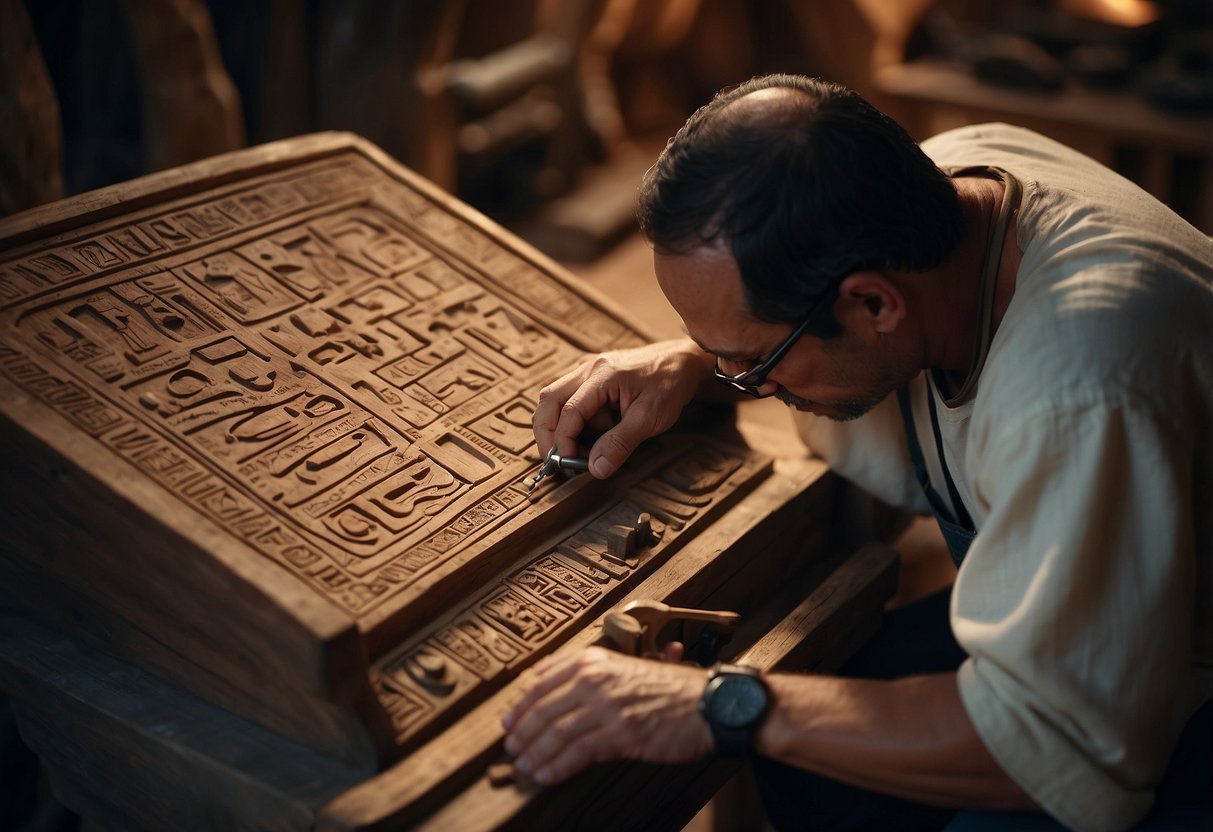
Egyptian carpenters and artisans were renowned for their mastery of woodworking, crafting exquisite pieces of furniture that showcased both functionality and artistic sophistication. Most ancient Egyptian furniture was made of wood, and the most commonly used woods were ebony, cedar, and imported woods from Sudan and Lebanon.
Joinery was an essential part of furniture design, and the Egyptians used a variety of techniques such as mortise and tenon joints, dovetail joints, and pegged joints to create strong and durable furniture. The use of wood in furniture design also had symbolic significance, with different types of wood representing different concepts such as strength, durability, and beauty.

Metalwork and Ornamentation
Metalwork and ornamentation were also crucial elements of ancient Egyptian furniture design. Gold and other precious metals were used to create intricate inlays and decorations on furniture, while copper was used to create hinges, locks, and other functional components.
Paint was also used to decorate furniture, with bright colours and intricate patterns adorning many pieces. Metalwork and ornamentation were not just decorative, but also served as a means of displaying the wealth and status of the owner.
Textiles and Organic Materials
In addition to wood and metal, ancient Egyptian furniture also incorporated textiles and organic materials such as reeds, rushes, leather, and wicker. Textiles were used to create cushions and covers for furniture, while reeds and rushes were used to create baskets and other woven items.
Leather and wicker were used to create chairs and other seating furniture, while date palm leaves were used to create mats and other floor coverings. The use of organic materials in furniture design added texture and warmth to the pieces, while also providing practical benefits such as comfort and insulation.
Overall, the craftsmanship and materials used in ancient Egyptian furniture design were a testament to the skill and creativity of the artisans of the time. From the intricate metalwork to the symbolic use of different types of wood, each piece of furniture was a work of art that reflected the values and culture of ancient Egypt.
Frequently Asked Questions
What are the defining characteristics of furniture from Ancient Egypt?
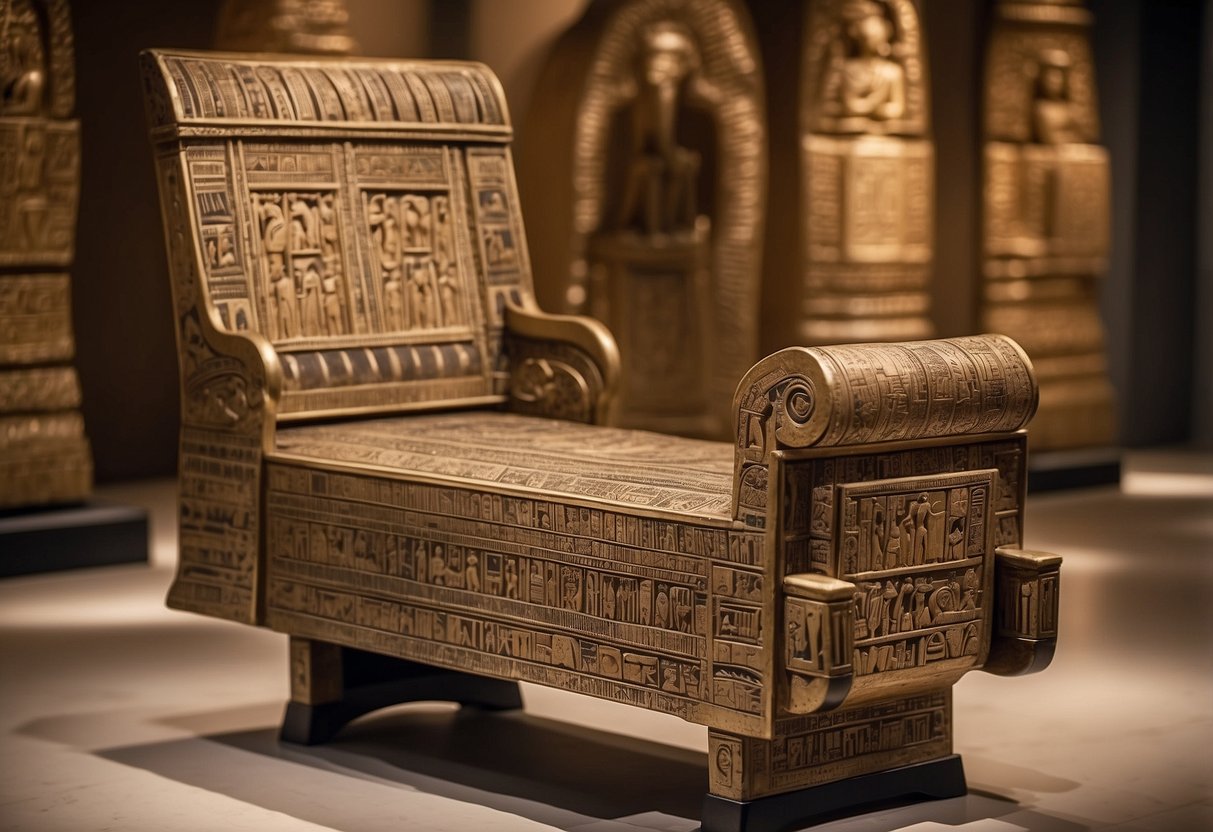
Furniture from Ancient Egypt was known for its intricate designs and exquisite craftsmanship. It was often made from wood, such as ebony and cedar, and was decorated with gold, silver, and precious stones. The furniture was not only functional but also symbolic, reflecting the social status of the owner.
How did furniture design evolve throughout Ancient Egyptian history?
Furniture design in Ancient Egypt evolved over time, with new styles and techniques emerging with each dynasty. During the Old Kingdom, furniture was simple and functional, while in the New Kingdom, furniture became more elaborate and ornate. The use of inlay and carving became more common, and furniture was often covered with gold and precious stones.
What role did furniture play in the daily life of Ancient Egyptians?
Furniture played an important role in the daily life of Ancient Egyptians. It was used for seating, sleeping, and storage, and was often an indication of the owner’s social status. Furniture was also used in religious ceremonies and was often buried with the deceased.
Can you describe some of the most common types of furniture used in Ancient Egyptian homes?
Some of the most common types of furniture used in Ancient Egyptian homes include chairs, stools, beds, chests, and tables. Chairs and stools were often made from wood and had woven seats, while beds were often made from wood and covered with linen. Chests were used for storage and were often decorated with intricate designs.
How has Ancient Egyptian furniture influenced modern interior design?
Ancient Egyptian furniture has had a significant influence on modern interior design. The use of intricate designs, precious materials, and ornate carving can be seen in many modern furniture pieces. The use of gold and precious stones in furniture design has also become more common.
What are some notable facts about the craftsmanship of Ancient Egyptian furniture?
Craftsmanship was highly valued in Ancient Egypt, and furniture makers were considered skilled artisans. They used a variety of tools, including chisels, saws, and drills, to create intricate designs and carvings. Many pieces of furniture were also painted and decorated with gold leaf.