

Adjustable Furniture Levelers: The Key to a Stable Home
If you’ve ever struggled with uneven furniture, you know how frustrating it can be. Not only is it unsightly, but it can also be dangerous. Luckily, there’s a simple solution: adjustable furniture levelers. These handy little devices allow you to adjust the height of your furniture legs to ensure that everything is level and stable.
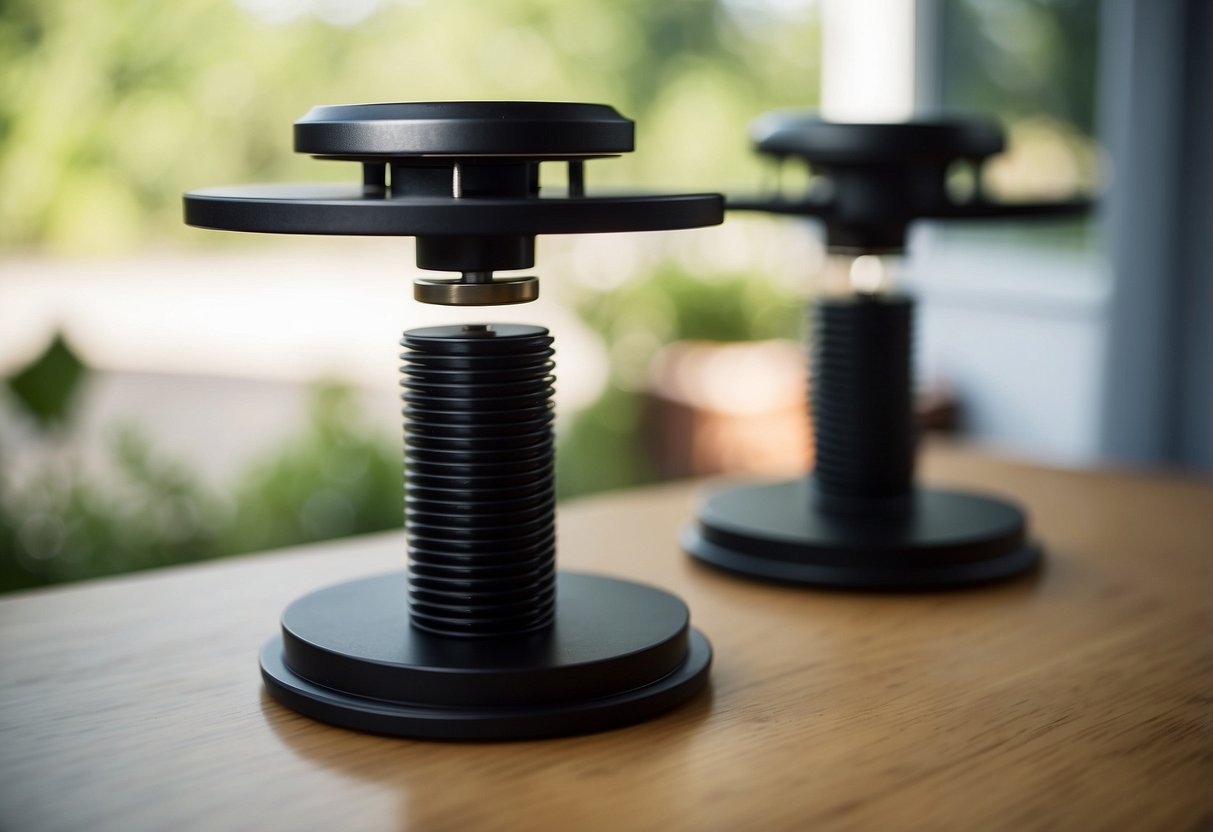
Adjustable furniture levelers come in a variety of styles and sizes to fit your specific needs. Some are designed for heavy-duty use, while others are perfect for smaller pieces of furniture. No matter what type of furniture you have, there’s an adjustable leveler out there that can help.
In this article, we’ll take a closer look at adjustable furniture levelers, including how they work, how to install and adjust them, and some frequently asked questions. By the end of this article, you’ll have all the information you need to get your furniture looking and feeling great.

Understanding Adjustable Furniture Levelers
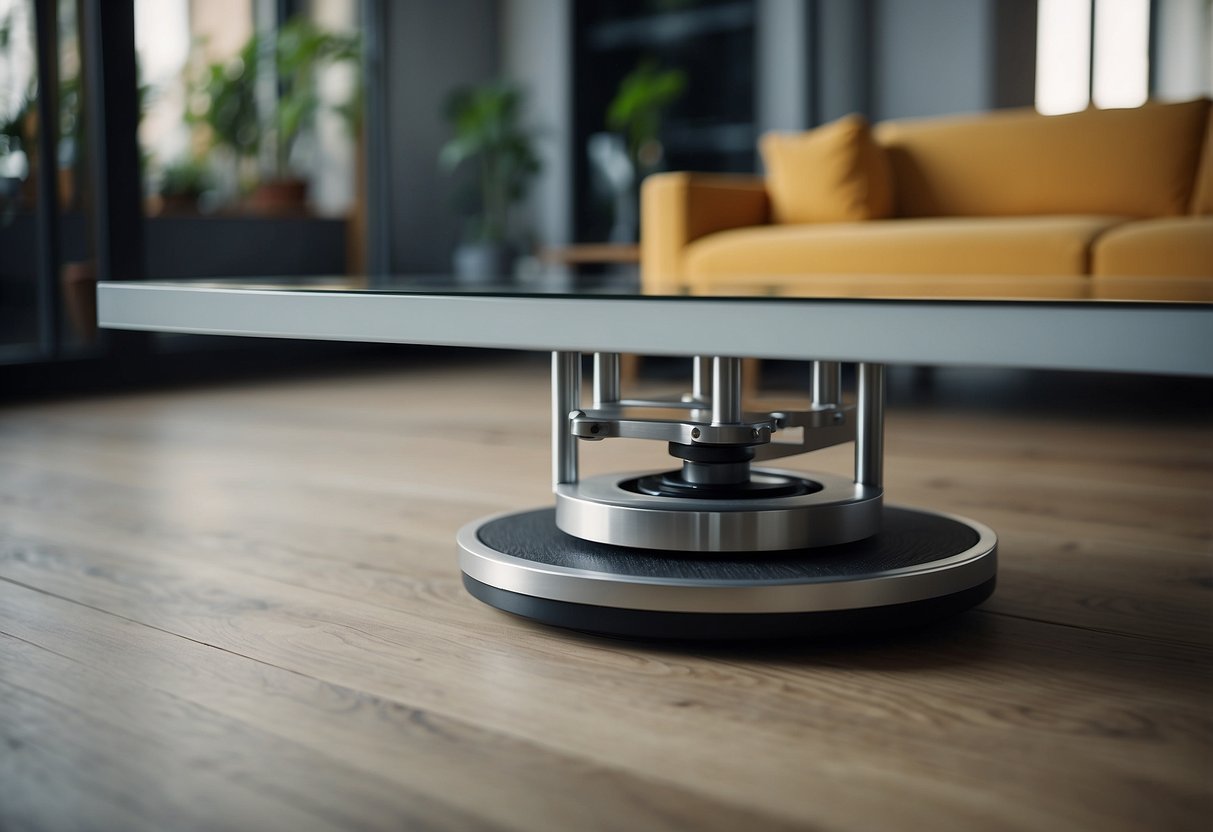
If you have ever struggled with wobbly furniture or uneven floors, adjustable furniture levelers may be the solution you have been looking for. These handy devices can help you level out your furniture and provide a stable base for your chairs, tables, and cabinets. In this section, we will explore the types and uses of adjustable furniture levelers, as well as their key features.

Types and Uses
Adjustable furniture levelers come in a variety of shapes and sizes, but they all work to achieve the same goal: to level out your furniture. Some of the most common types of adjustable furniture levelers include screw-in feet, T-nuts, and interlocking shims.
Screw-in feet are one of the most popular types of adjustable furniture levelers. They are easy to install and can be screwed into the bottom of your furniture legs. T-nuts are another popular option, which can be inserted into the bottom of your furniture legs to provide a sturdy base. Interlocking shims are a third option, which can be stacked to provide the necessary height and stability for your furniture.
Adjustable furniture levelers can be used for a variety of furniture types, including chairs, tables, cabinets, and more. They are particularly useful for furniture that is placed on uneven floors, as they can help to level out the furniture and prevent wobbling.
Key Features
When selecting adjustable furniture levelers, there are a few key features to consider. One important factor is the load capacity of the levelers. Make sure to choose levelers that can support the weight of your furniture.
Another important feature is the size of the levelers. Look for levelers with a large base, which will provide a stable foundation for your furniture. Some levelers also come with a raiser or height adjuster, which can help you achieve the perfect height for your furniture.
Anti-slip features are also important to consider, particularly if you have hardwood or tile floors. Look for levelers with hexagon nuts or lock nuts, which can help to keep your furniture legs in place. Stainless steel levelers are also a good option, as they are durable and resistant to rust.
In conclusion, adjustable furniture levelers are a useful tool for anyone looking to level out their furniture and create a stable base. With a variety of types and features to choose from, you can find the perfect levelers to suit your needs and keep your furniture steady.
Installation and Adjustment
Step-by-Step Guide
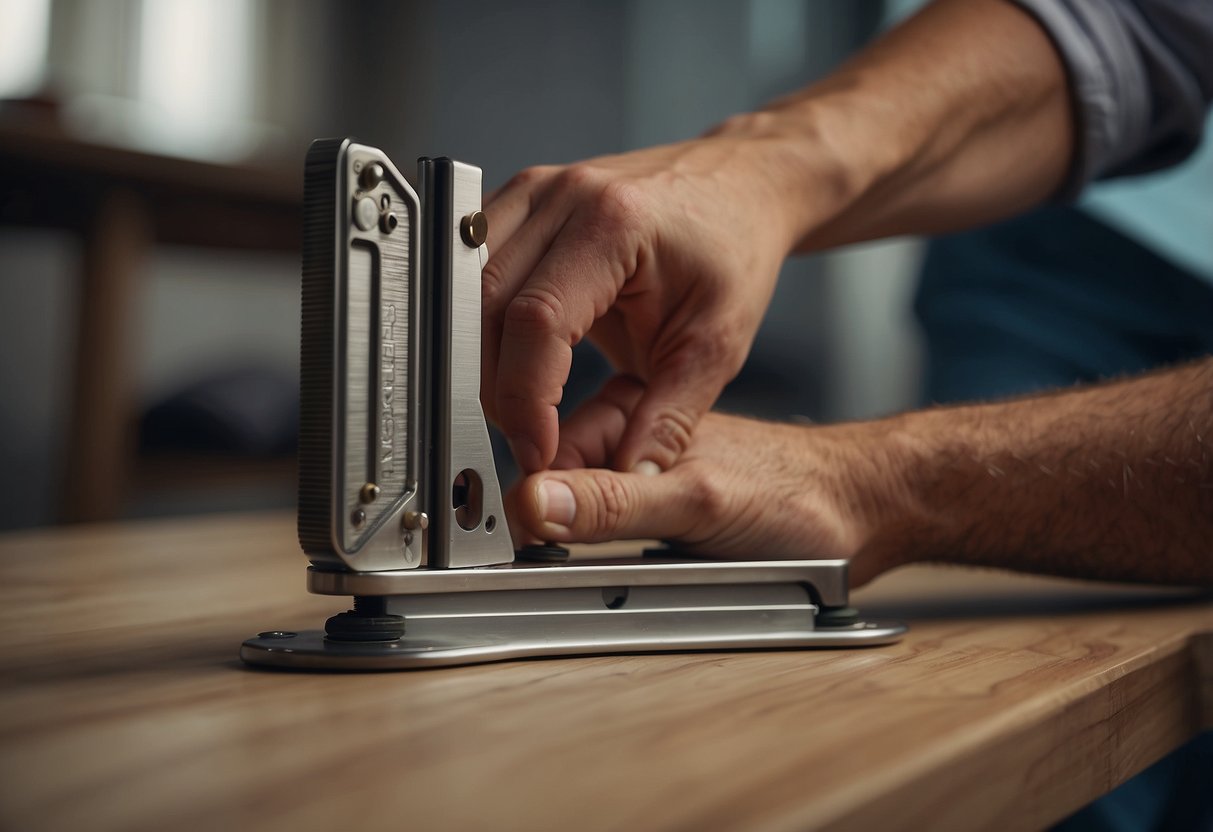
Adjustable furniture levelers are designed to provide stability and balance to your furniture. They are easy to install and adjust, and can be used on a variety of furniture pieces such as tables, chairs, cabinets, shelving units, and workbenches. Follow these simple steps to install and adjust your furniture levelers:
- Determine the correct size of the leveler needed for your furniture. Check the thread size of your furniture leg and choose a leveler with a matching thread size.
- If your furniture leg already has a thread, simply screw the leveler into the leg to adjust the height. If your furniture leg does not have a thread, drill a 1/2 inch hole and insert the T-nut for universal installation. Screw in the leveler and adjust to the desired height.
- Adjust the leveler to ensure that your furniture is level and stable. Use a spirit level to check the balance of your furniture and adjust the leveler as needed.
- If your furniture is on an uneven floor, adjust each leveler to compensate for the slope. This will help to prevent wobbling and ensure that your furniture remains stable.
Troubleshooting Common Issues
Even with proper installation and adjustment, you may encounter some common issues with your furniture levelers. Here are some tips to help you troubleshoot these issues:
- If your furniture is still wobbly after adjusting the levelers, check to see if the leveler is securely attached to the furniture leg. Tighten the leveler as needed to ensure that it is firmly in place.
- If your furniture is sliding on a smooth surface, consider adding rubber pads to the bottom of the furniture feet. This will help to prevent slipping and provide additional stability.
- If your furniture levelers are not adjusting to the correct height, check to see if the T-nut is securely in place. If the T-nut is loose, remove the leveler and reinsert the T-nut before trying again.
- If your furniture levelers are slipping or sliding on the floor, consider using anti-slip pads or felt pads to provide additional grip and prevent damage to your flooring.
By following these simple installation and adjustment steps, you can ensure that your furniture is stable and balanced. With adjustable furniture levelers, you can enjoy your furniture without worrying about wobbling or instability.
Frequently Asked Questions
What are the best options for levelling uneven chairs and tables?
If you have uneven furniture, you can use adjustable furniture levelers to level them. The best option for levelling uneven chairs and tables is to use self-levelling furniture levelers. They automatically adjust to the surface and level the furniture. Alternatively, you can use manual furniture levelers, which require you to adjust them manually until the furniture is level.
Can you guide me on how to install leveling feet on a bookshelf?
Installing leveling feet on a bookshelf is easy. First, measure the height of the bookshelf legs and choose the appropriate size of the leveling feet. Then, remove the existing feet or glides and attach the new leveling feet. Adjust the height of the leveling feet until the bookshelf is level.
What should I consider when choosing the right size of levelling feet for my furniture?
When choosing the right size of levelling feet for your furniture, you should consider the weight and size of the furniture, the type of flooring, and the height of the legs. Levelling feet come in different sizes, so choose the size that can support the weight of your furniture and fit the size of the legs. Also, consider the type of flooring, as some levelling feet are better suited for carpeted floors, while others are better for hard floors.
How often should I check and adjust the levelers on my furniture?
You should check and adjust the levelers on your furniture every few months, especially if you move the furniture around or if you notice that it’s not level. If you have self-levelling furniture levelers, they will automatically adjust to the surface, so you don’t need to check them as often.
Are there any tips for ensuring stability when using furniture levelers on soft floors?
If you have soft floors, such as carpet or vinyl, you can still use furniture levelers by using a wide base or a larger size of the leveling feet. This will help distribute the weight of the furniture and prevent it from sinking into the soft floor. You can also use furniture glides or casters, which are designed for use on soft floors.
Could you explain the difference between self-levelling and manual furniture levelers?
Self-levelling furniture levelers automatically adjust to the surface and level the furniture, while manual furniture levelers require you to adjust them manually until the furniture is level. Self-levelling levelers are more convenient and easier to use, but they are usually more expensive than manual levelers. Manual levelers are more affordable and can be adjusted to your specific needs.