Acoustic Furniture: Enhancing Sound Quality in Your Home or Office
If you’ve ever worked in an open-plan office or shared living space, you know how difficult it can be to concentrate with all the noise. That’s where acoustic furniture comes in. Acoustic furniture is designed to absorb sound and reduce noise levels, making your work or living space more comfortable and productive.

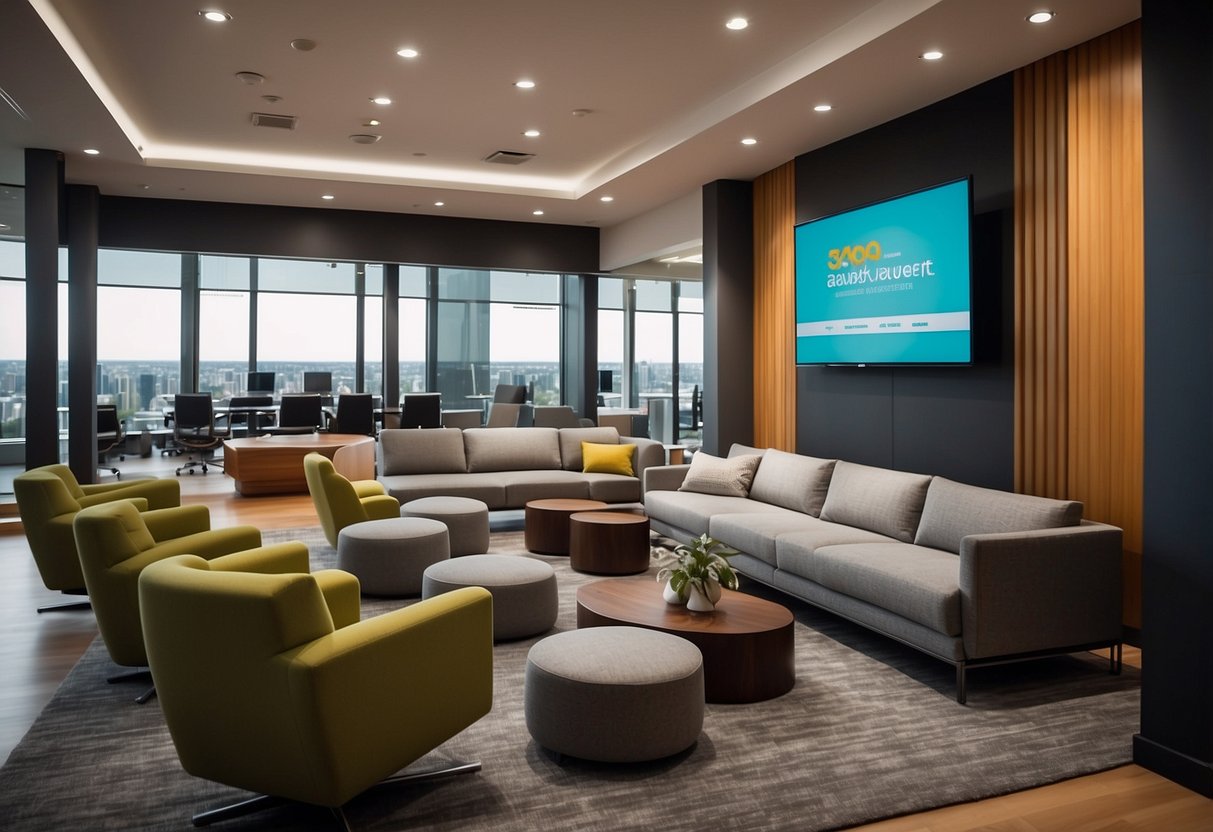
Acoustic furniture comes in many forms, from screens and panels to seating and tables. These pieces of furniture are often made from materials that absorb sound, such as foam, felt, or fabric. They can be used to create private workspaces, reduce noise levels in shared areas, or simply add a touch of style to your home or office.
Whether you’re working from home or in a bustling office, acoustic furniture can help you stay focused and productive. Understanding the benefits of acoustic furniture and how to implement it in your space can make a big difference in your overall wellbeing and productivity.
Understanding Acoustic Furniture
When it comes to designing a productive and healthy workspace, acoustics play a crucial role. Excessive noise can cause distractions, reduce focus and productivity, and even lead to health problems. Acoustic furniture is an essential element of modern office design that helps to mitigate these issues.

The Science of Sound in Design
To understand acoustic furniture, it’s essential to understand the science of sound. Sound is a type of energy that travels in waves through different materials, including air, water, and solids. When sound waves encounter a surface, they reflect, absorb, or transmit through it.
In interior design, sound waves can reflect off hard surfaces like walls, floors, and ceilings, creating echoes and reverberations. This can cause noise to build up and become louder, leading to distractions and discomfort. Acoustic furniture helps to absorb sound waves and reduce noise levels, creating a more comfortable and productive environment.
Materials and Technologies
Acoustic furniture is made from materials that help to absorb sound waves. These materials include foam, felt, wool, and other fabrics. They are designed to trap sound waves and prevent them from bouncing back into the room.
In addition to materials, acoustic furniture also uses advanced technologies to improve sound absorption. For example, some chairs and sofas have built-in acoustic absorbers that help to reduce noise levels. Other furniture pieces use sound-dampening materials to create a more comfortable and productive environment.
Benefits for Well-Being and Productivity
Acoustic furniture offers several benefits for well-being and productivity. By reducing noise levels, it helps to create a more comfortable and peaceful environment. This can help to reduce stress levels and improve mental health.
In addition to mental health benefits, acoustic furniture can also improve productivity. By reducing distractions and creating a more focused environment, it can help employees to work more efficiently and effectively.
Overall, acoustic furniture is an essential element of modern office design. By using advanced materials and technologies, it helps to create a more comfortable and productive environment. So, if you want to improve the acoustics of your workspace, consider investing in acoustic furniture today.

Implementing Acoustic Solutions in Spaces
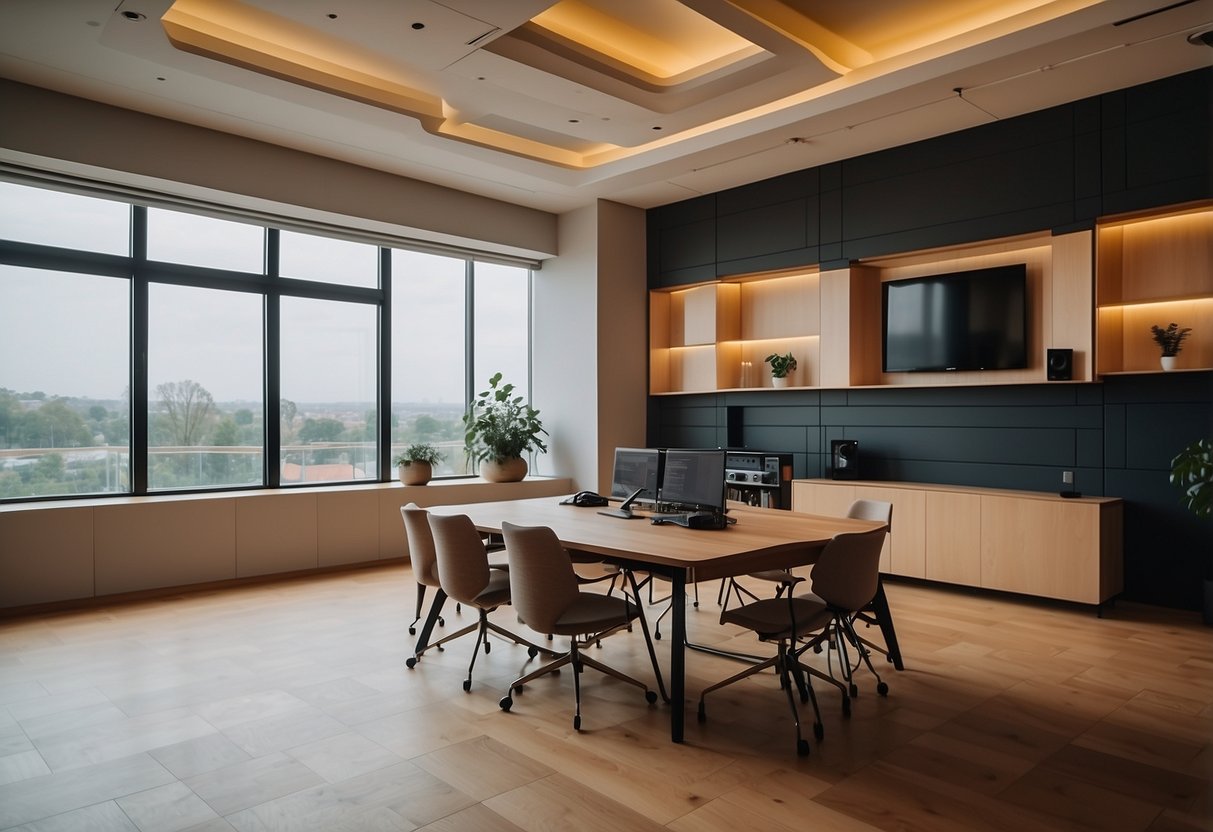
When it comes to creating a functional and aesthetically pleasing space, managing noise levels is crucial. With the right acoustic solutions, you can design a space that balances collaboration and privacy while reducing noise levels to create a more pleasant environment.
Acoustic Furniture in the Workplace
Acoustic furniture is an effective way to absorb sound and reduce noise levels in the workplace. These innovative furniture pieces typically have built-in sound-absorbing features, offering both practicality and style. Modular ranges, acoustic pods, and lounge furniture are all great options for creating a functional workspace that also reduces noise levels.
Designing for the Home Environment
Acoustic solutions are not just limited to the workplace. When designing for the home environment, acoustic furniture and accessories can be used to block out unwanted noise and create a more peaceful atmosphere. Felt panels, printed acoustic panels, and lighting solutions are all effective ways to absorb sound and reduce noise levels in the home.
Collaboration and Privacy Balance
When designing a workspace, it’s important to balance collaboration and privacy. Acoustic screens and dividers can be used to enclose workspaces and reduce noise levels, while still promoting collaboration. Additionally, acoustic products can be used to create a more functional and personality-driven workspace.
To create an environment that promotes happiness and productivity, managing noise levels is crucial. By implementing the right acoustic solutions, you can create a functional and aesthetically pleasing space that also reduces noise levels. When selecting acoustic solutions, it’s important to consider the nature of the space, the projects being worked on, and the needs of the individuals using the space. With the right acoustic solutions, you can create a space that is both functional and comfortable.
Frequently Asked Questions
How can furniture be designed to enhance sound absorption?
Acoustic furniture is designed to absorb sound waves and reduce noise levels in a room. This can be achieved through the use of materials that are specifically chosen for their sound-dampening properties. Furniture can be designed with acoustic panels on the back, sides, and bottom to absorb sound waves and reduce noise levels. The shape of the furniture can also be altered to improve sound absorption.
What types of materials are typically used in creating sound-dampening seating solutions?
A variety of materials can be used to create sound-dampening seating solutions. Some common materials include foam, felt, and wool. These materials are chosen for their ability to absorb sound waves and reduce noise levels. The density and thickness of the materials can also impact their sound-dampening capabilities.
Are there specific designs of privacy seating that are more effective for noise reduction?
Privacy seating can be designed in a variety of ways to reduce noise levels. Some designs include high backs and sides to create a barrier between the user and the surrounding noise. Other designs may include built-in acoustic panels to absorb sound waves. The effectiveness of the design will depend on the specific needs of the user and the environment in which the seating will be used.
In what ways can the placement of furniture influence the acoustic dynamics of a room?
The placement of furniture can have a significant impact on the acoustic dynamics of a room. Furniture can be strategically placed to absorb sound waves and reduce noise levels. For example, placing a sofa against a wall can help to absorb sound waves that would otherwise reflect off the wall and create an echo. The placement of furniture can also impact the flow of sound waves throughout the room.
How do acoustic panels integrate with existing furniture for improved sound quality?
Acoustic panels can be integrated with existing furniture in a variety of ways. Panels can be attached to the back, sides, or bottom of furniture to absorb sound waves and reduce noise levels. Panels can also be hung on walls to improve sound quality in a room. The integration of acoustic panels with existing furniture can be a cost-effective way to improve sound quality without the need to purchase new furniture.
What are the benefits of incorporating acoustic furniture into a workspace or home environment?
The benefits of incorporating acoustic furniture into a workspace or home environment are numerous. Acoustic furniture can help to reduce noise levels and improve sound quality, creating a more comfortable and productive environment. Acoustic furniture can also be aesthetically pleasing, adding a touch of style to any space. Overall, acoustic furniture can help to create a more enjoyable and functional environment for work or relaxation.