1930 Furniture Style Photos: A Nostalgic Look at Vintage Interiors
If you’re looking for inspiration for your home decor, why not consider the timeless style of 1930s furniture? Characterised by sleek lines, bold patterns, and vivid colours, this era’s furniture has stood the test of time and continues to be popular today.

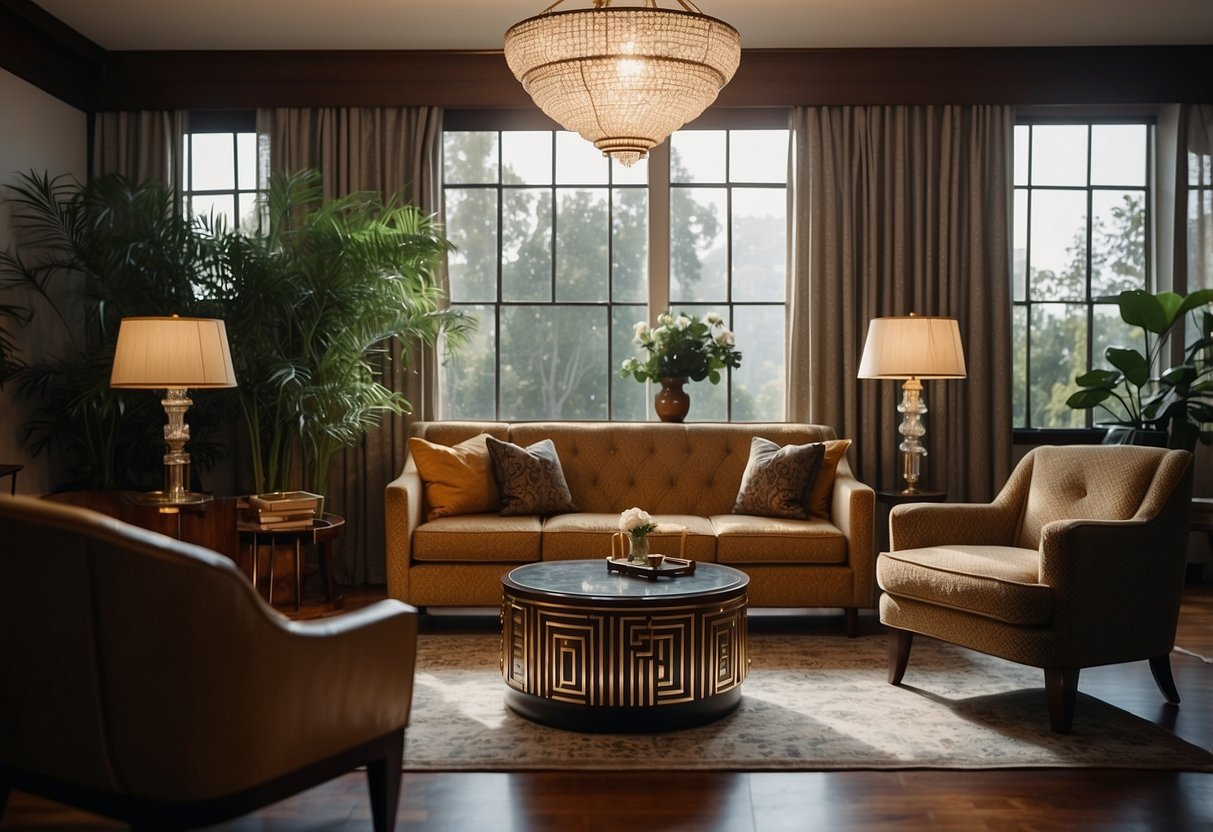
One of the key characteristics of 1930s furniture style is its use of geometric shapes and symmetry. Furniture from this era often features angular lines and repeating patterns, which create a sense of order and balance in a room. Additionally, 1930s furniture is known for its use of bold colours, such as deep blues, greens, and reds, which add a sense of drama and sophistication to any space.
If you’re interested in incorporating 1930s furniture into your home, there are a few different ways to do so. You could opt for authentic vintage pieces, which can be found at antique shops and online marketplaces. Alternatively, you could look for contemporary furniture that has been inspired by 1930s design, such as pieces with sleek lines and bold colours. Whatever your preference, 1930s furniture is a timeless choice that will add sophistication and style to any space.
Key Takeaways
- 1930s furniture is characterised by sleek lines, bold patterns, and vivid colours.
- The use of geometric shapes and symmetry is a key characteristic of 1930s furniture style.
- You can incorporate 1930s furniture into your home by opting for authentic vintage pieces or contemporary furniture inspired by 1930s design.
Key Characteristics of 1930s Furniture Style
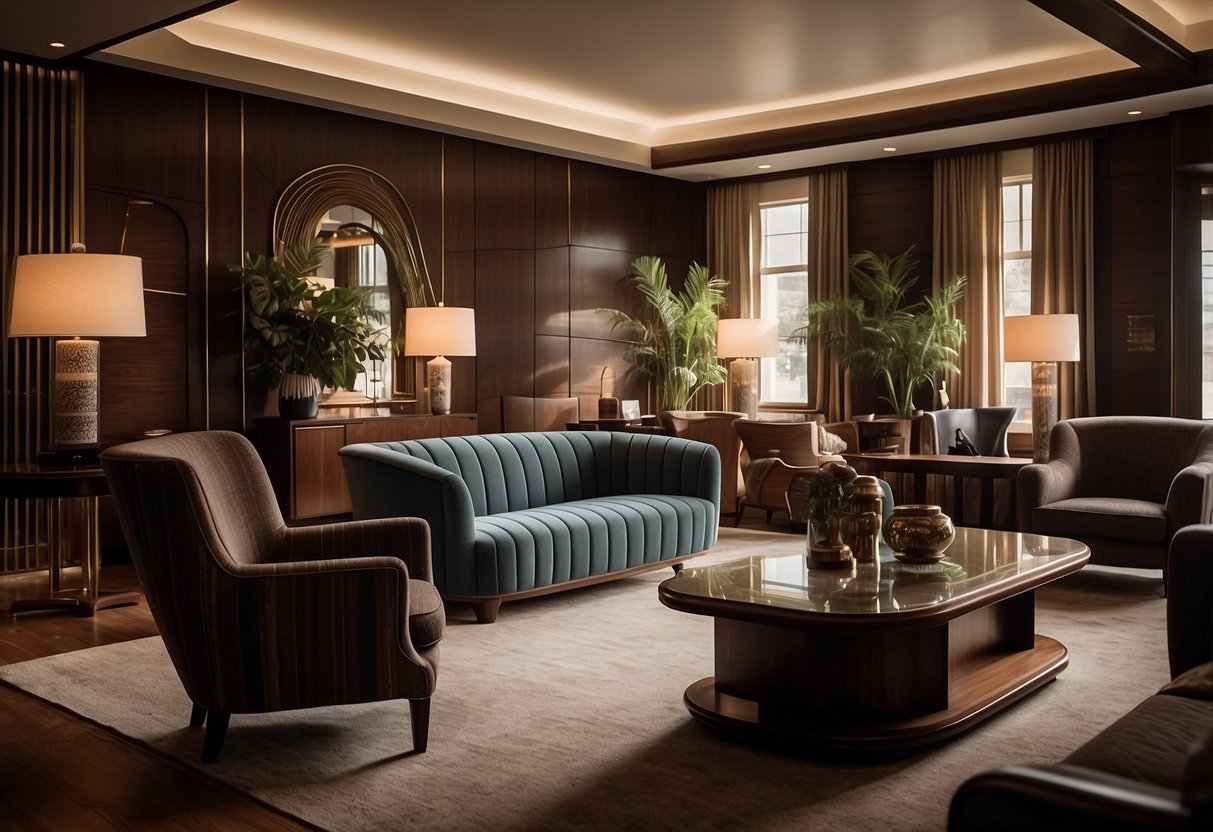
If you’re looking to add a touch of vintage charm to your home, the 1930s furniture style is an excellent choice. This era was marked by a fusion of art and technology, resulting in a unique and sophisticated design aesthetic that is still popular today. Here are some key characteristics of 1930s furniture style:

Art Deco and Modernist Influences
The 1930s were a time of great change, and this was reflected in the furniture style of the era. Art Deco and Modernist influences were prominent, resulting in furniture that was both functional and luxurious. Geometric shapes, chrome, glass, and lacquer were popular materials, and the Streamline Moderne movement, with its Bauhaus influence, was also a significant design trend.
Materials and Textures
The 1930s furniture style was characterized by a combination of natural materials and synthetic materials. Wood veneer, mahogany, and other natural materials were popular, as were steel, iron, and bakelite. Upholstery was often done in velvet, and rattan was a popular choice for outdoor furniture. The craftsmanship of the furniture was also of high quality, with attention paid to every detail.
Colour and Patterns
The colour palette of 1930s furniture style was bright and bold, with pastels being particularly popular. Wallpaper with geometric shapes and decorative motifs was also popular, as were bright, bold colours. The furniture itself often featured geometric shapes and patterns, adding to the overall aesthetic of the era.
Overall, the 1930s furniture style was characterized by simplicity, modernism, and functional design. It was a time of great change, and this was reflected in the furniture of the era. If you’re looking to add a touch of vintage charm to your home, the 1930s furniture style is an excellent choice.
1930s Furniture in Contemporary Spaces
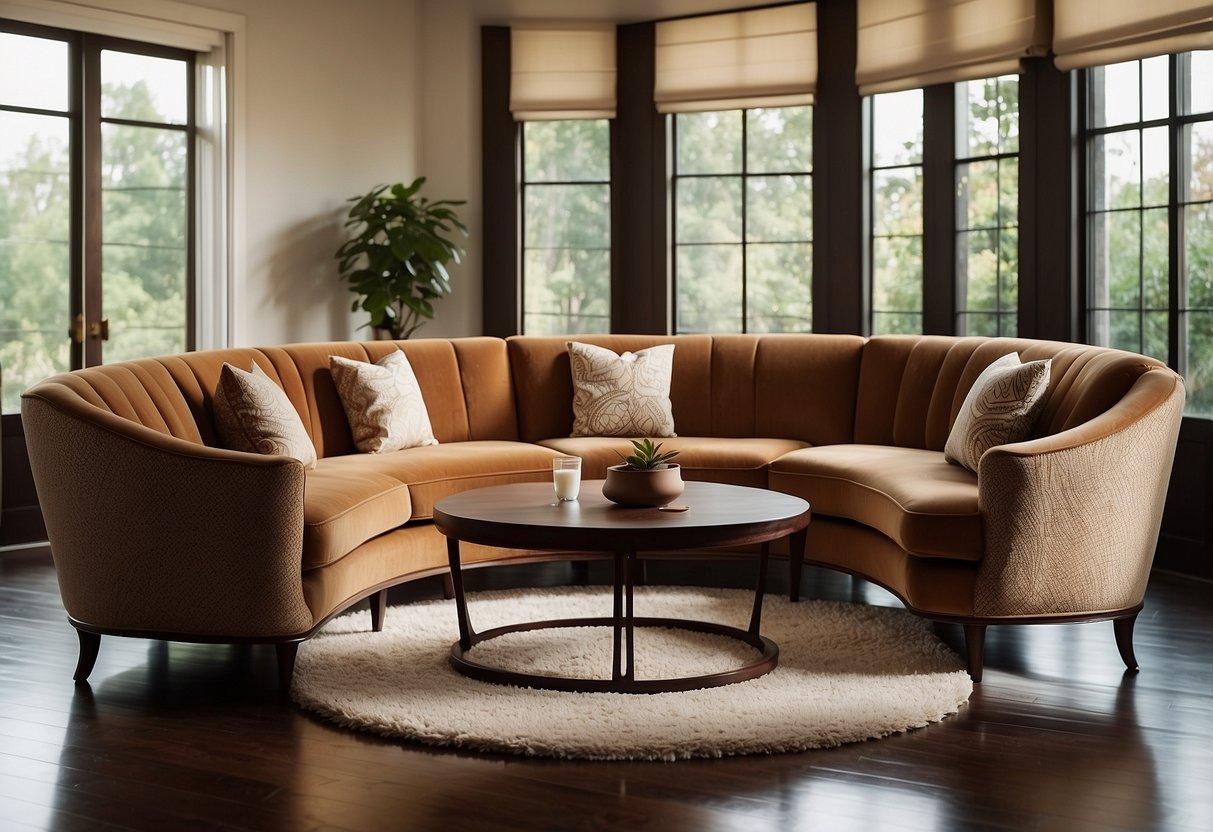
If you love the vintage style of the 1930s but want to incorporate it into your contemporary living space, there are plenty of ways to do so. Here are some ideas to help you get started:
Integrating Vintage with Modern
One of the best ways to bring the 1930s furniture style into your contemporary living space is to integrate vintage pieces with modern ones. For example, you could mix a vintage sofa with a mid-century modern media wall or a contemporary rug. This will create a unique and eclectic look that is both stylish and functional.
Functional Design and Affordability
The 1930s were a time of mass production and affordability, and this is reflected in the furniture designs of the era. Many of the pieces were designed to be functional and affordable, using materials such as plywood, metal, and plastic. You can incorporate this same ethos into your contemporary living space by choosing furniture that is both functional and affordable.
When it comes to lighting, clean lines and architectural detail were key design elements in the 1930s. You can achieve this same look by choosing modern lighting fixtures that feature clean lines and architectural detail.

White walls were also a popular design element in the 1930s, and this is still a great choice for contemporary living spaces. White walls provide a neutral backdrop that allows your furniture and artwork to shine.
Affordable Materials and Durability
When choosing furniture for your contemporary living space, look for pieces that are made from affordable materials such as plywood, metal, and plastic. These materials were popular in the 1930s because they were affordable and durable, and they are still a great choice today.
Open concept living rooms were not as popular in the 1930s as they are today, but you can still achieve this look by using vintage furniture and contemporary pieces that are designed to be space-efficient.
Gray floor living rooms are a popular choice for contemporary living spaces, and you can incorporate this look into your design by choosing a dark wood floor living room with vintage furniture and contemporary accents.
In conclusion, incorporating 1930s furniture into your contemporary living space is a great way to add character and style to your home. By mixing vintage pieces with modern ones, choosing affordable materials, and focusing on functionality and durability, you can create a unique and stylish living space that is both practical and beautiful.
Frequently Asked Questions
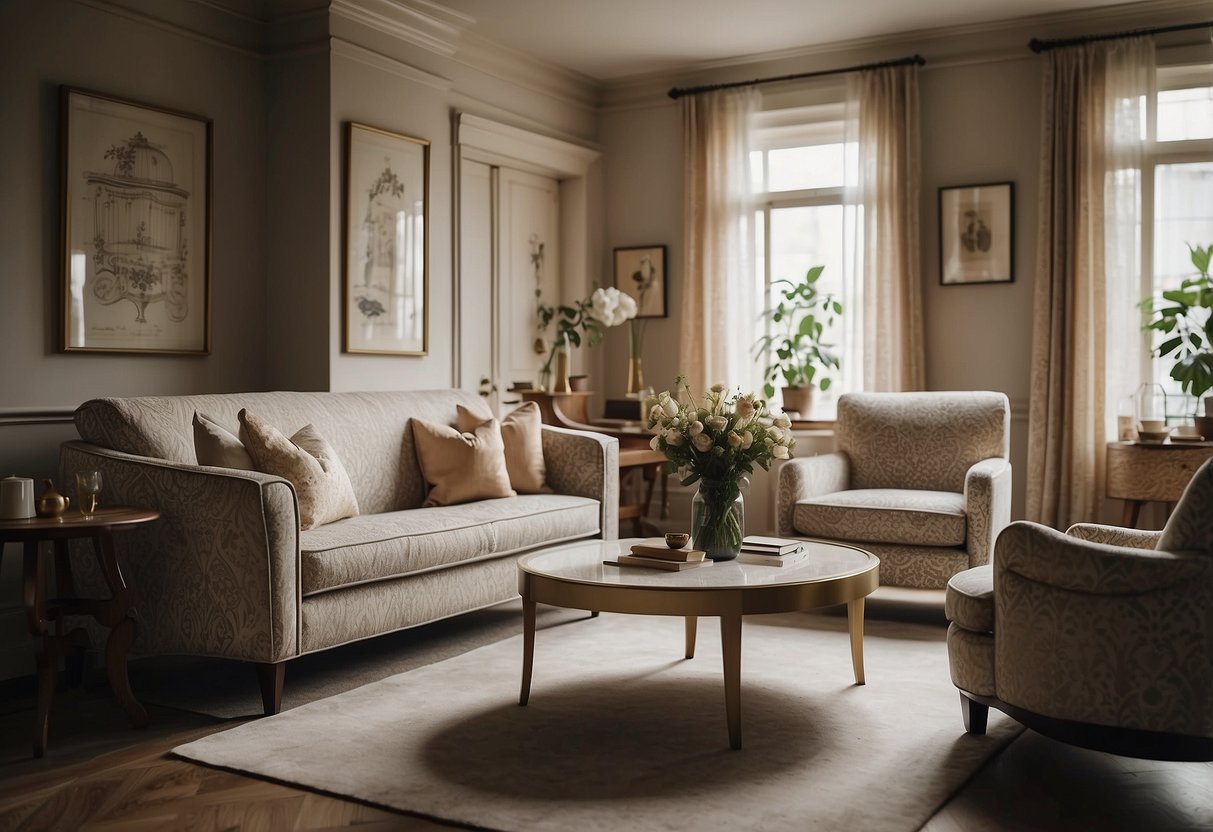
What are the defining features of 1930s furniture design?
1930s furniture design is characterized by a combination of traditional and modern styles. The furniture was designed to be functional, comfortable, and stylish. The use of geometric shapes, bold colours, and shiny surfaces was popular during this era.
How can one identify Art Deco furniture from the 1930s?
Art Deco furniture from the 1930s is characterized by its use of geometric shapes, symmetry, and bold colours. It often features materials such as chrome, glass, and lacquered wood. Look for sharp angles, clean lines, and sleek curves when identifying Art Deco furniture.
What were the common materials used in 1930s furniture manufacturing?
The common materials used in 1930s furniture manufacturing were wood, chrome, glass, and lacquer. Upholstery materials included leather, velvet, and chenille. These materials were chosen for their durability and stylish appearance.
How does 1930s furniture style differ from that of the 1940s?
1930s furniture style is characterized by its use of geometric shapes, bold colours, and shiny surfaces. The furniture was designed to be functional, comfortable, and stylish. In contrast, 1940s furniture style was more subdued and focused on functionality rather than style.
Can you describe the typical characteristics of 1920s furniture that preceded the 1930s styles?
1920s furniture style was characterized by its use of ornate decorations, intricate carvings, and curved lines. The furniture was often made from dark woods such as mahogany and walnut. The style was influenced by the Art Nouveau movement, which emphasized natural forms and organic shapes.
What factors contribute to the value of Depression-era furniture?
The value of Depression-era furniture is influenced by factors such as rarity, condition, and historical significance. Furniture made by well-known designers or manufacturers can also increase the value. Additionally, furniture that is part of a complete set or has a unique design can be more valuable.